‘The Port And The Image’ – A Nanjing Just Like Nanjing

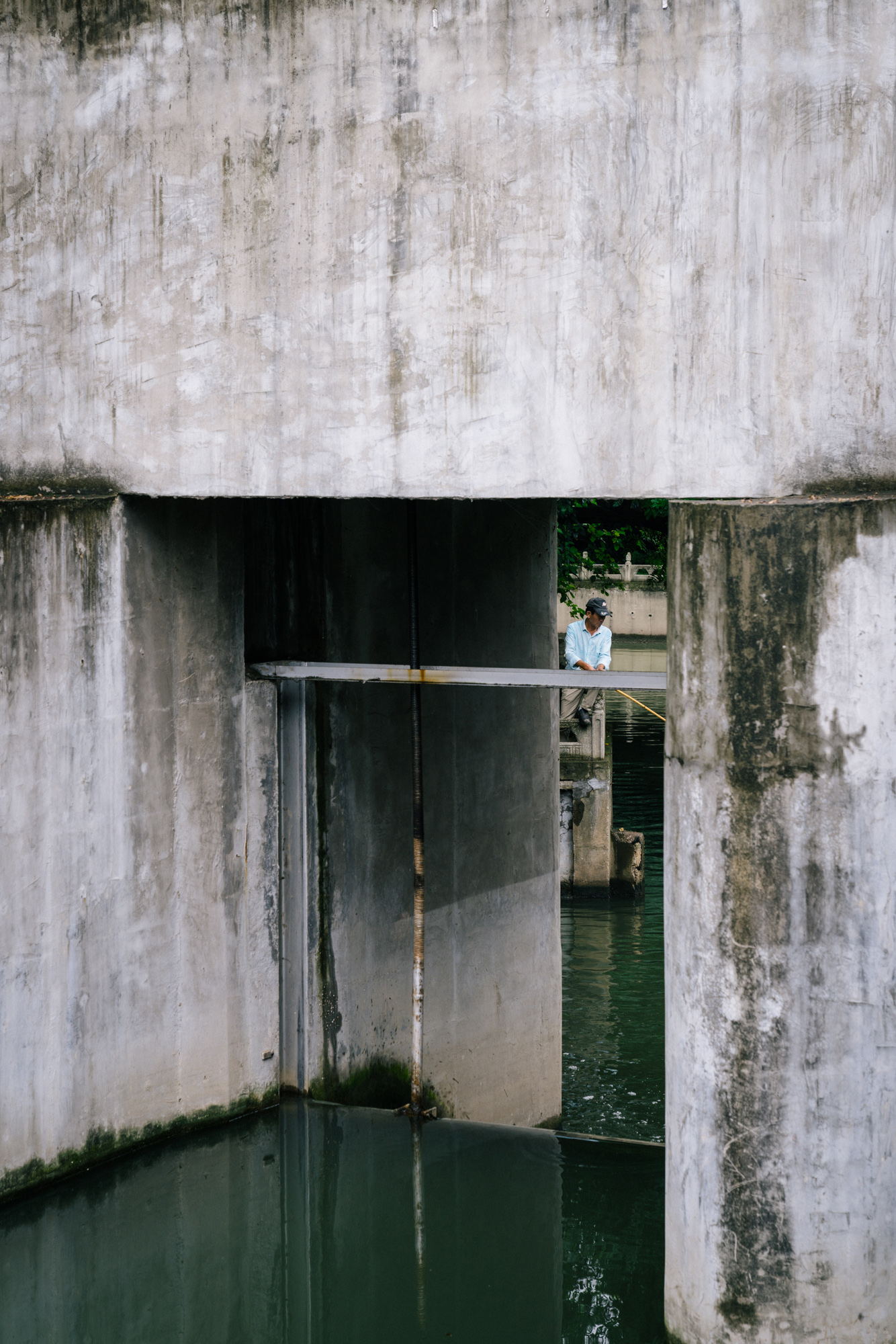
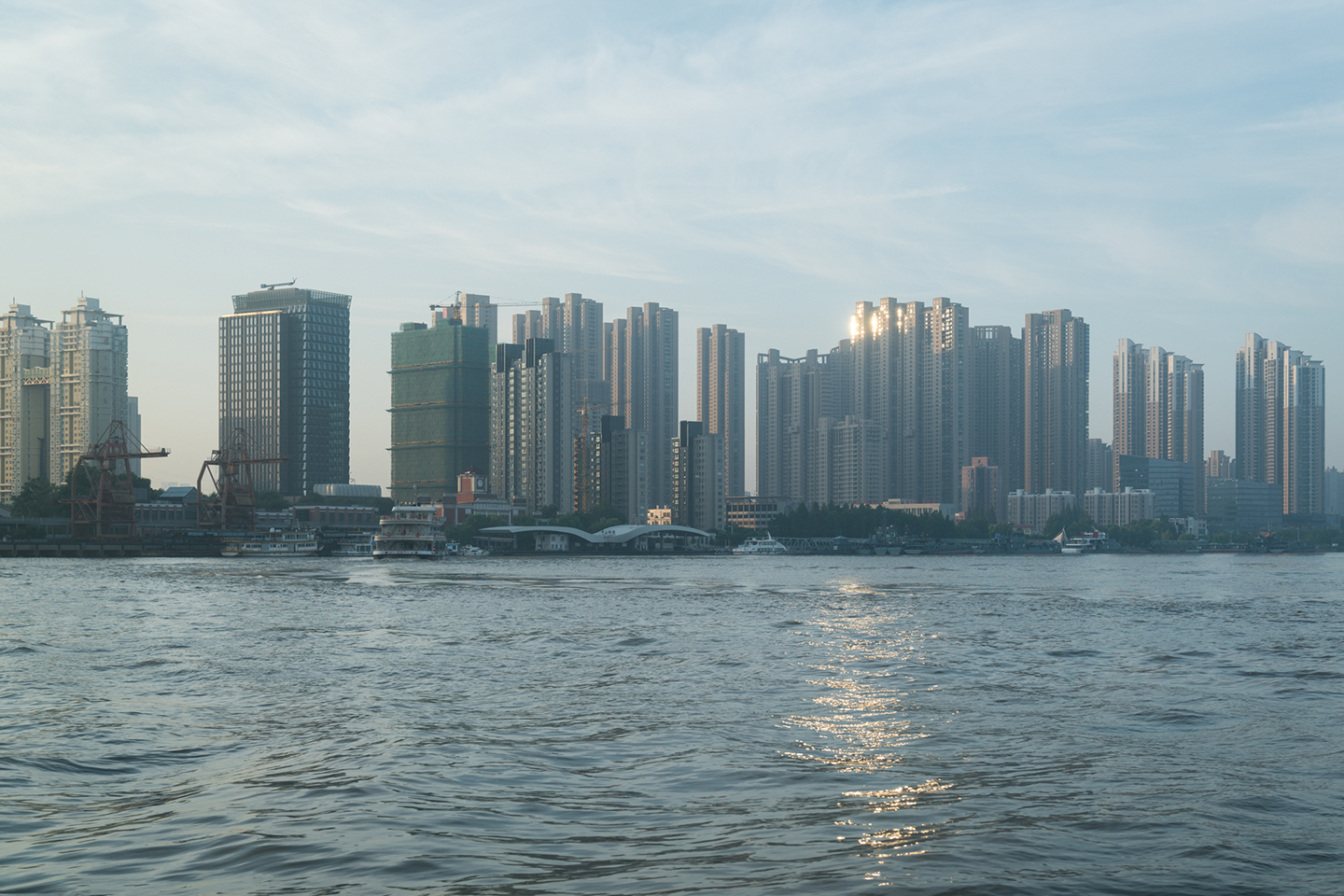
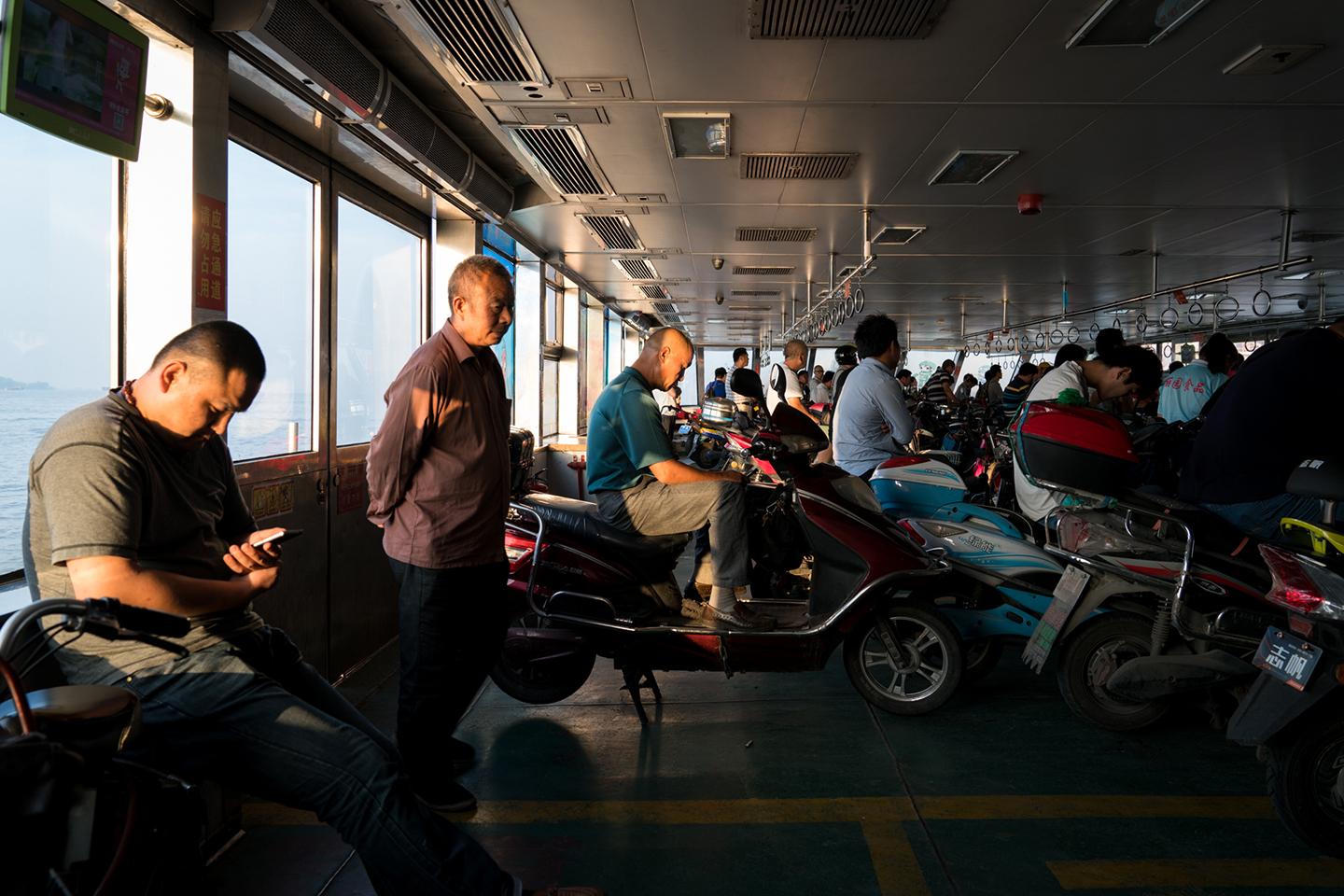
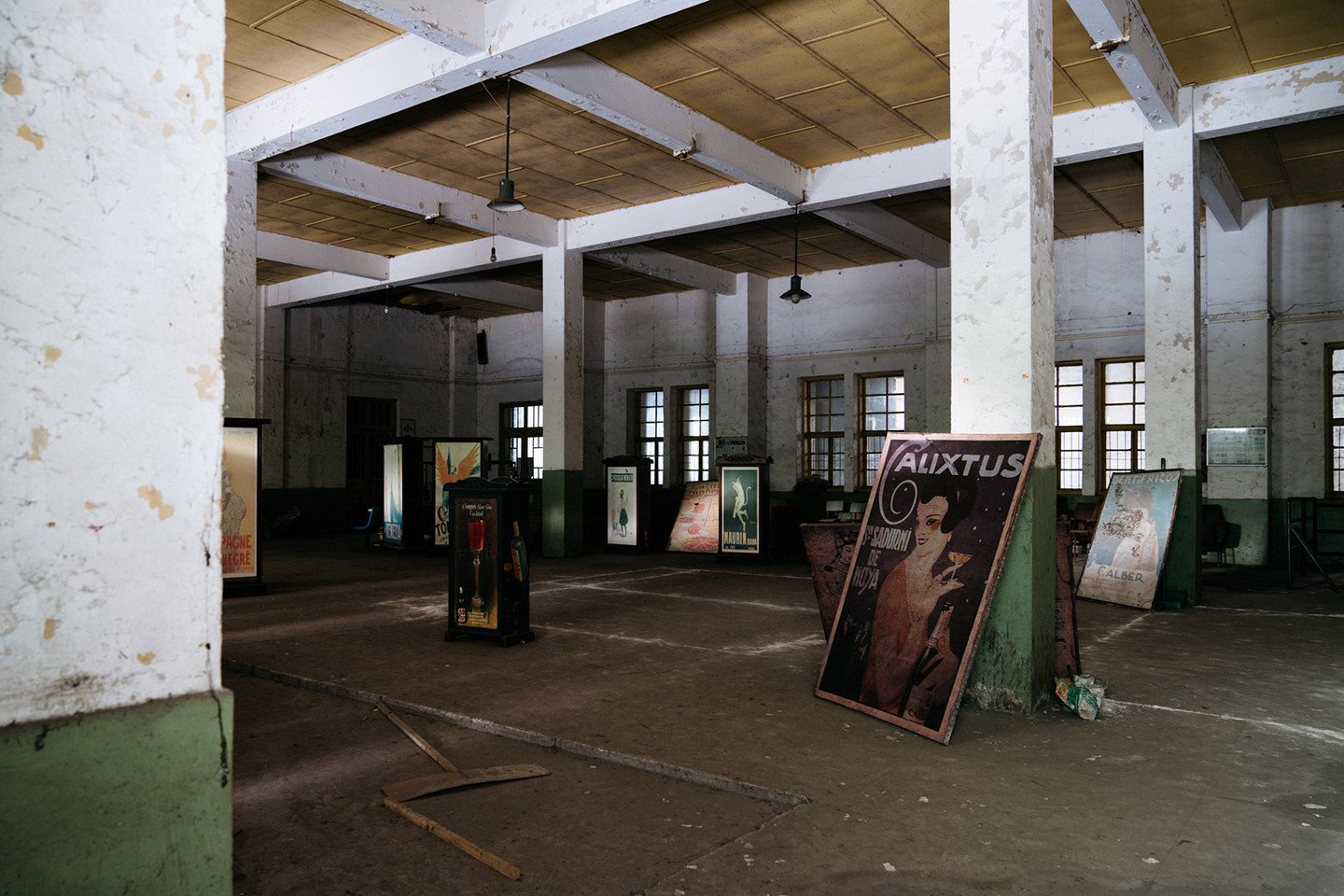
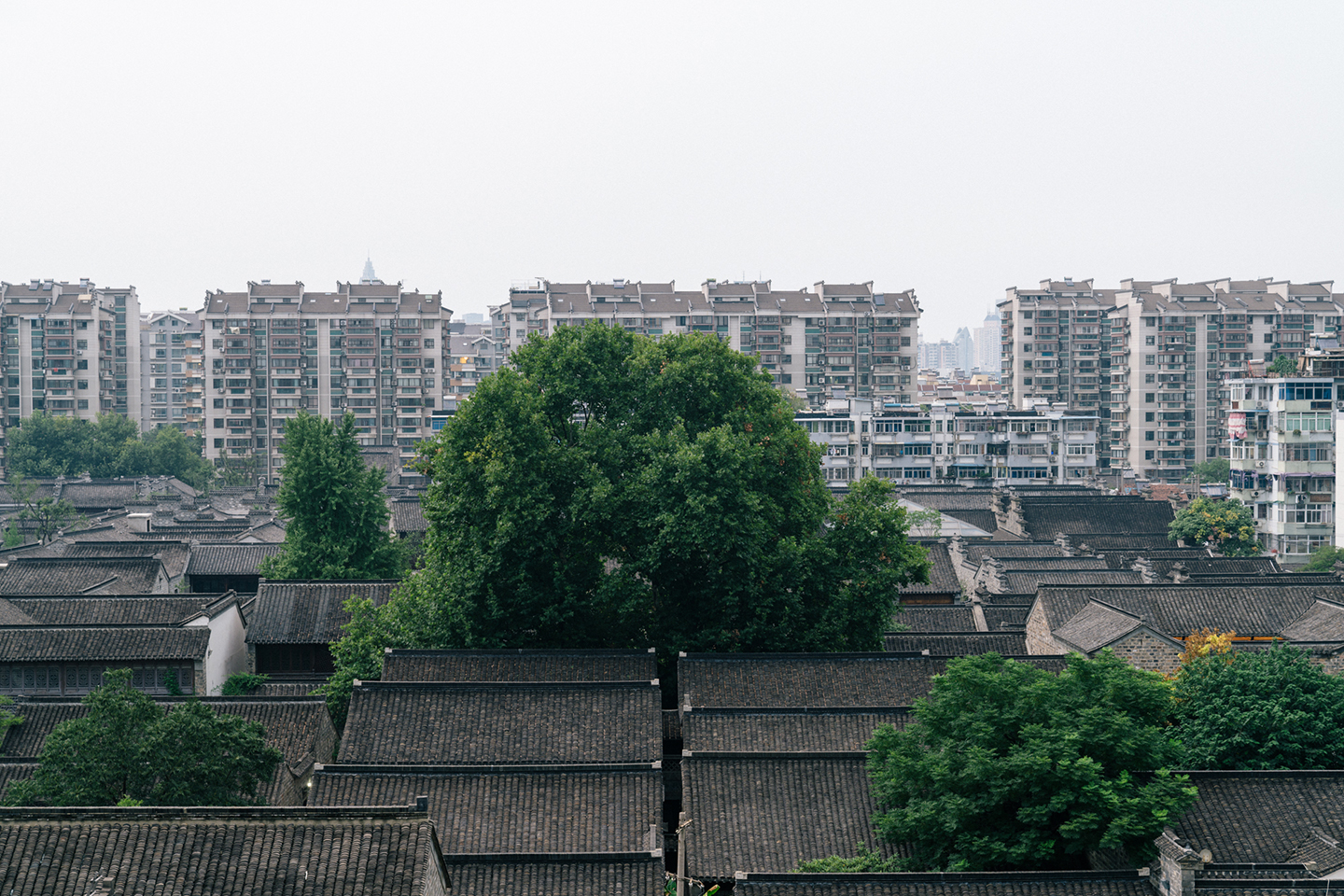
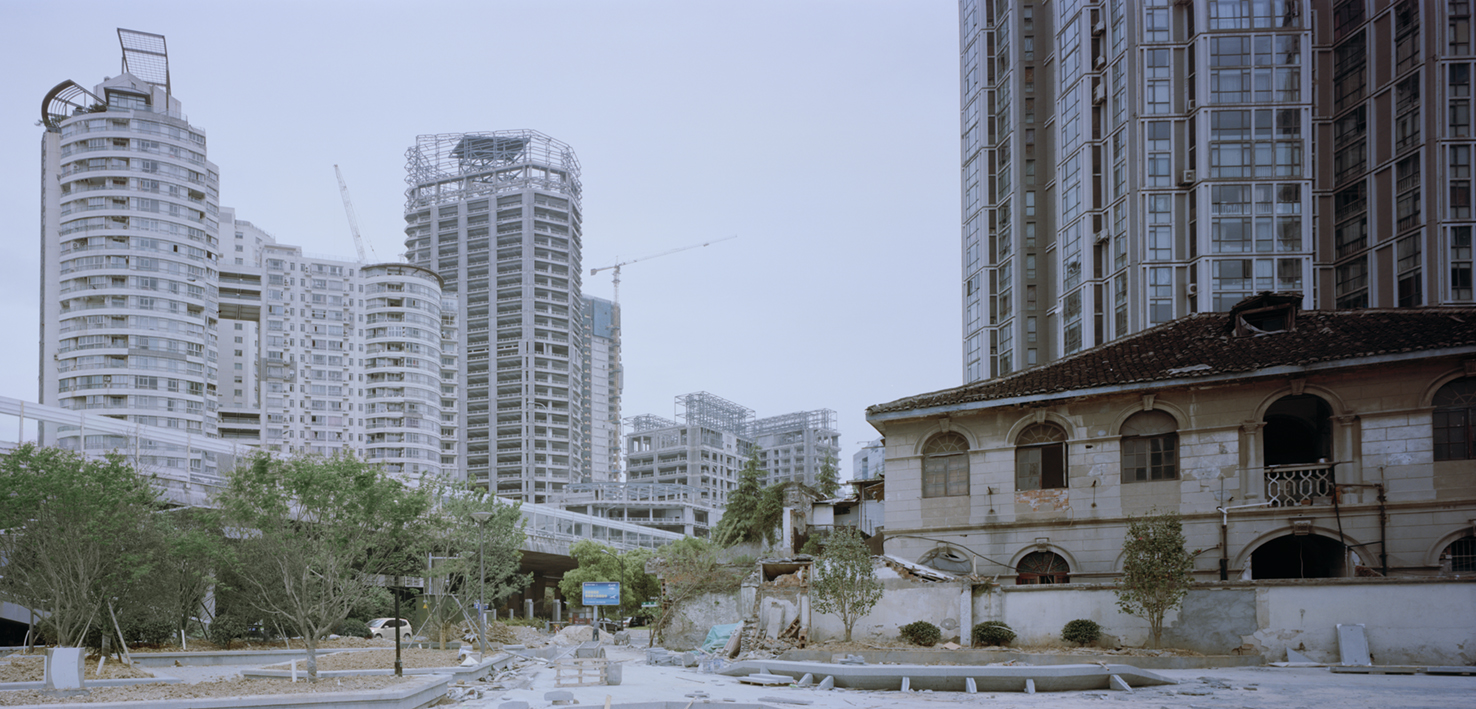
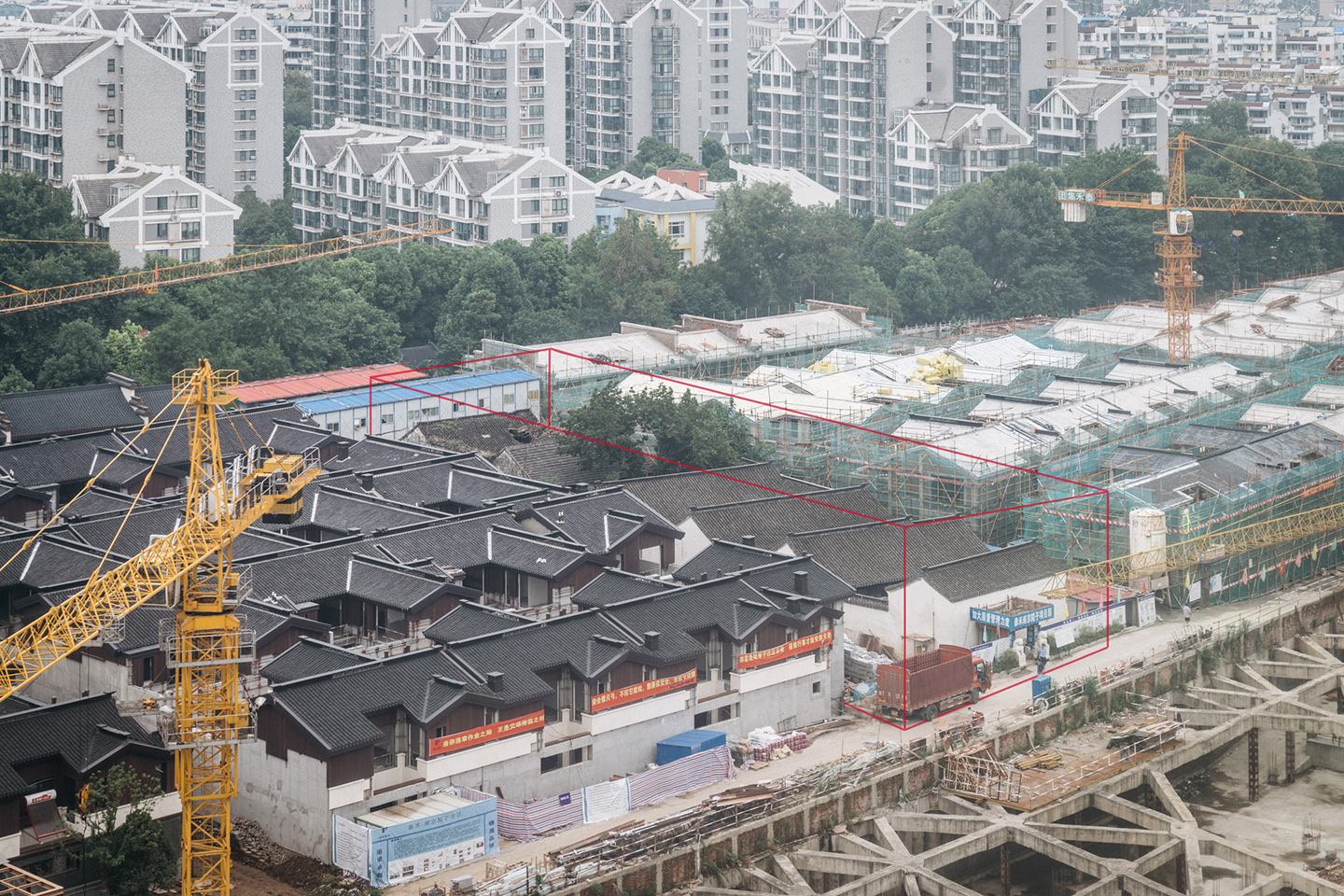
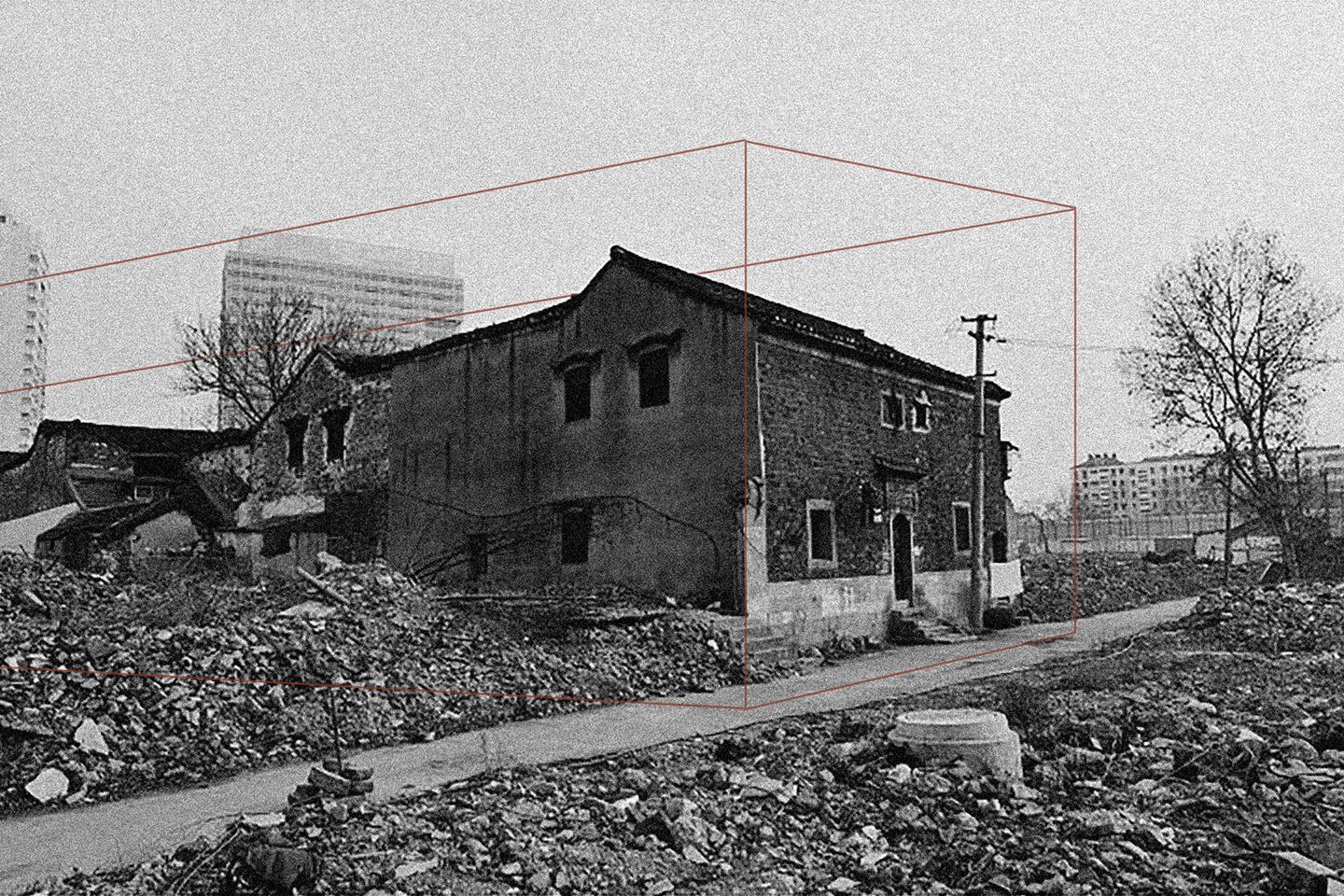
Ancient Nanjing was an inland hub for goods from western and central China on the Maritime Silk Road, and was also a connecting point between cities on the eastern seaboard. In 2012, Nanjing became part of the Maritime Silk Road UNESCO world heritage application. As the only city in the application that is located in China’s interior, Nanjing is home to a large number of cultural relics and artifacts associated with the Maritime Silk Road. These include ancient shipyards and docks, personal remains of ancient navigators, religious monuments, sites where foreign envoys arrived in China, tombs of foreign heads of state, ancient records, and historic, imported foreign goods. In his work “A Nanjing Just Like Nanjing”, photographer Li Chaoyu compares the past and present of Nanjing, its history, and its role as an ancient inland port. His work discusses the real problems that exist in China’s current strategy towards historical tourism.

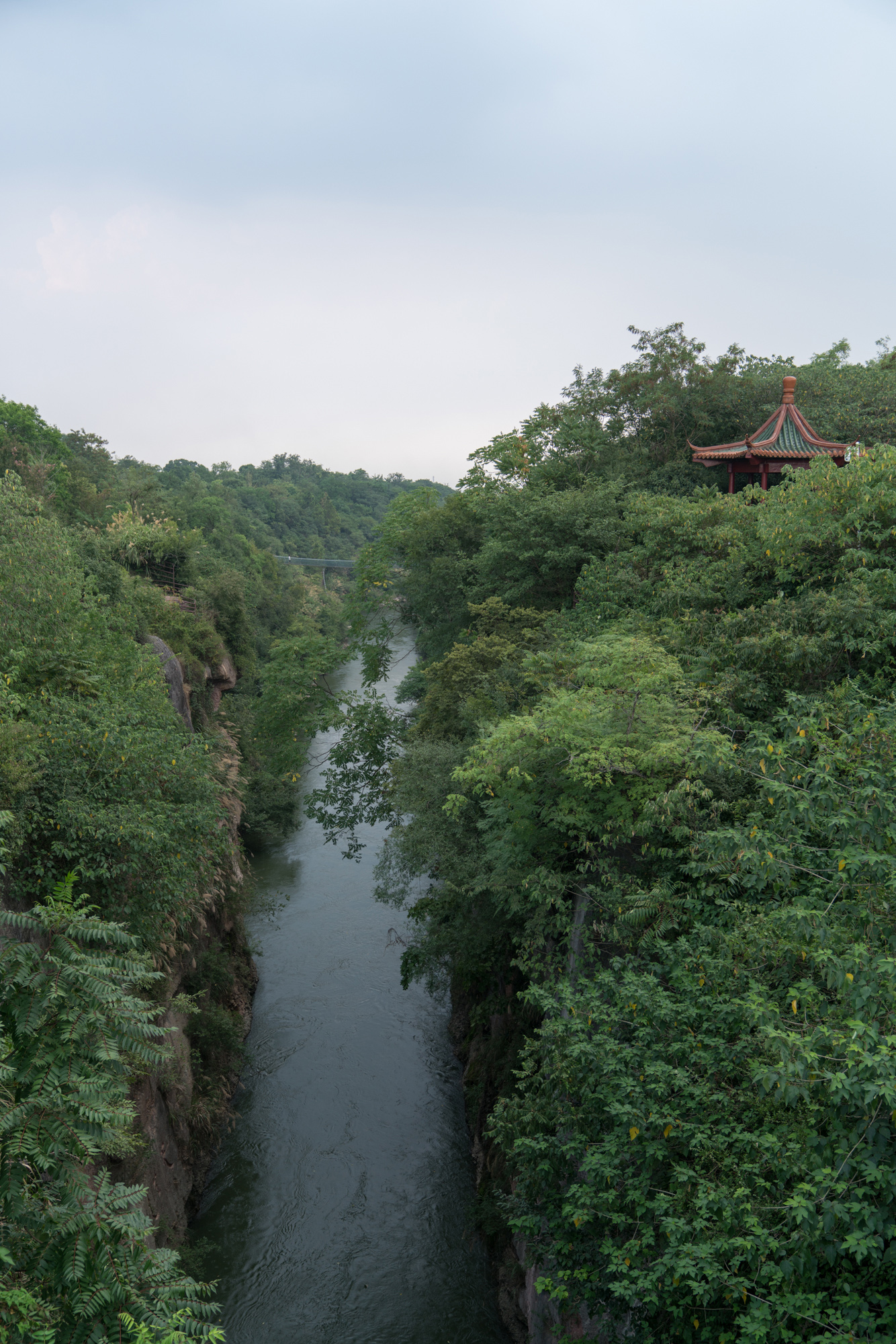
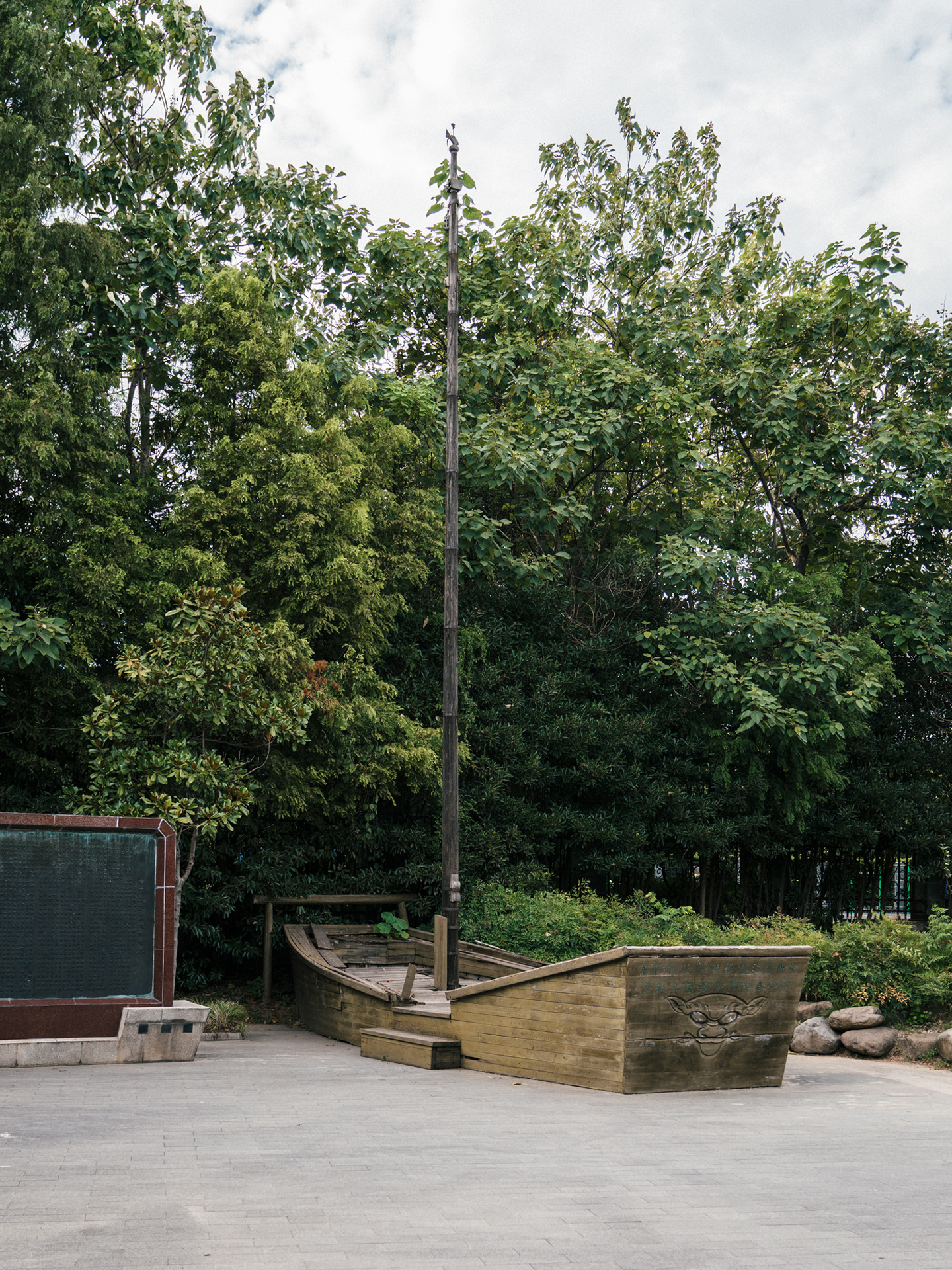
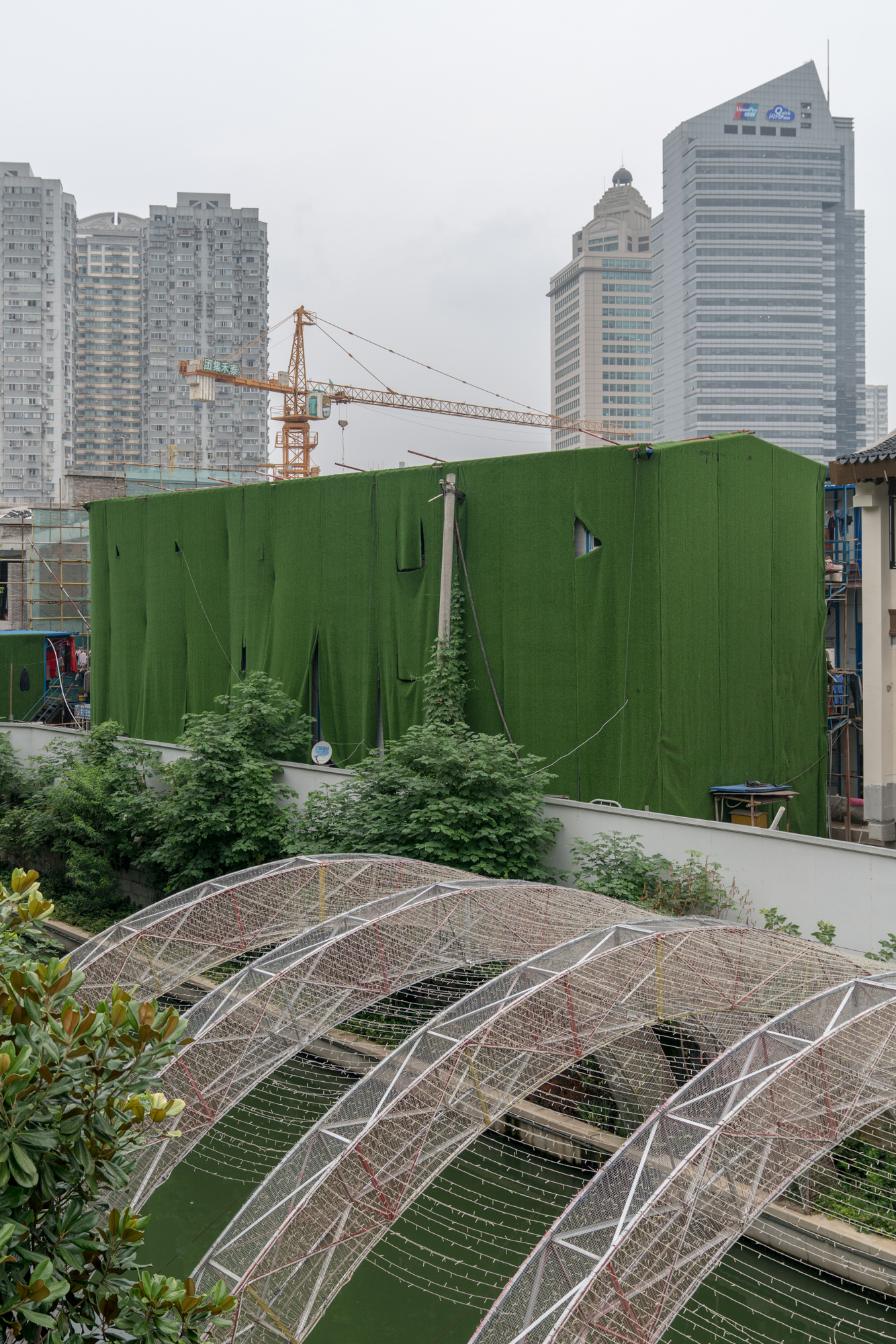
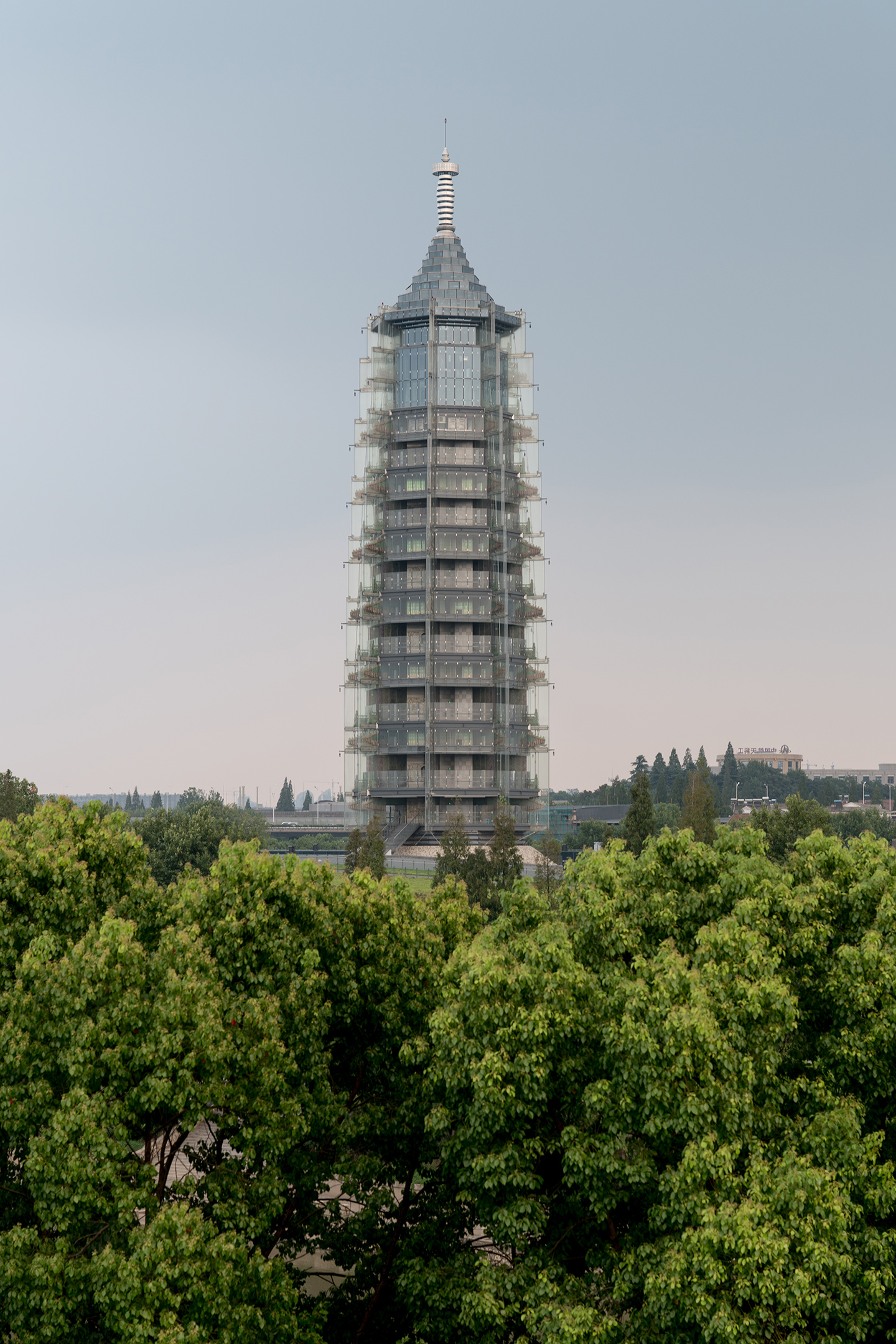
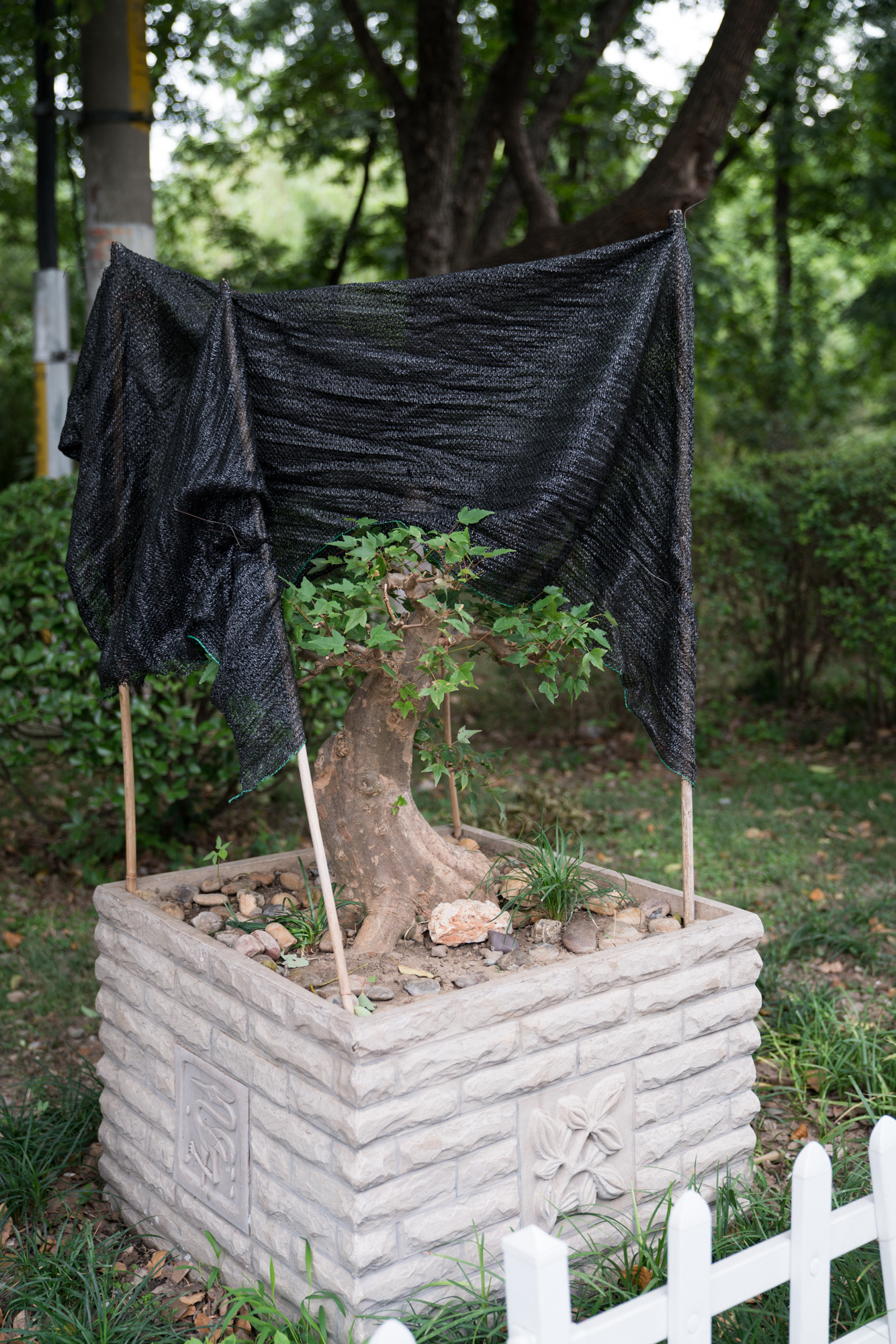
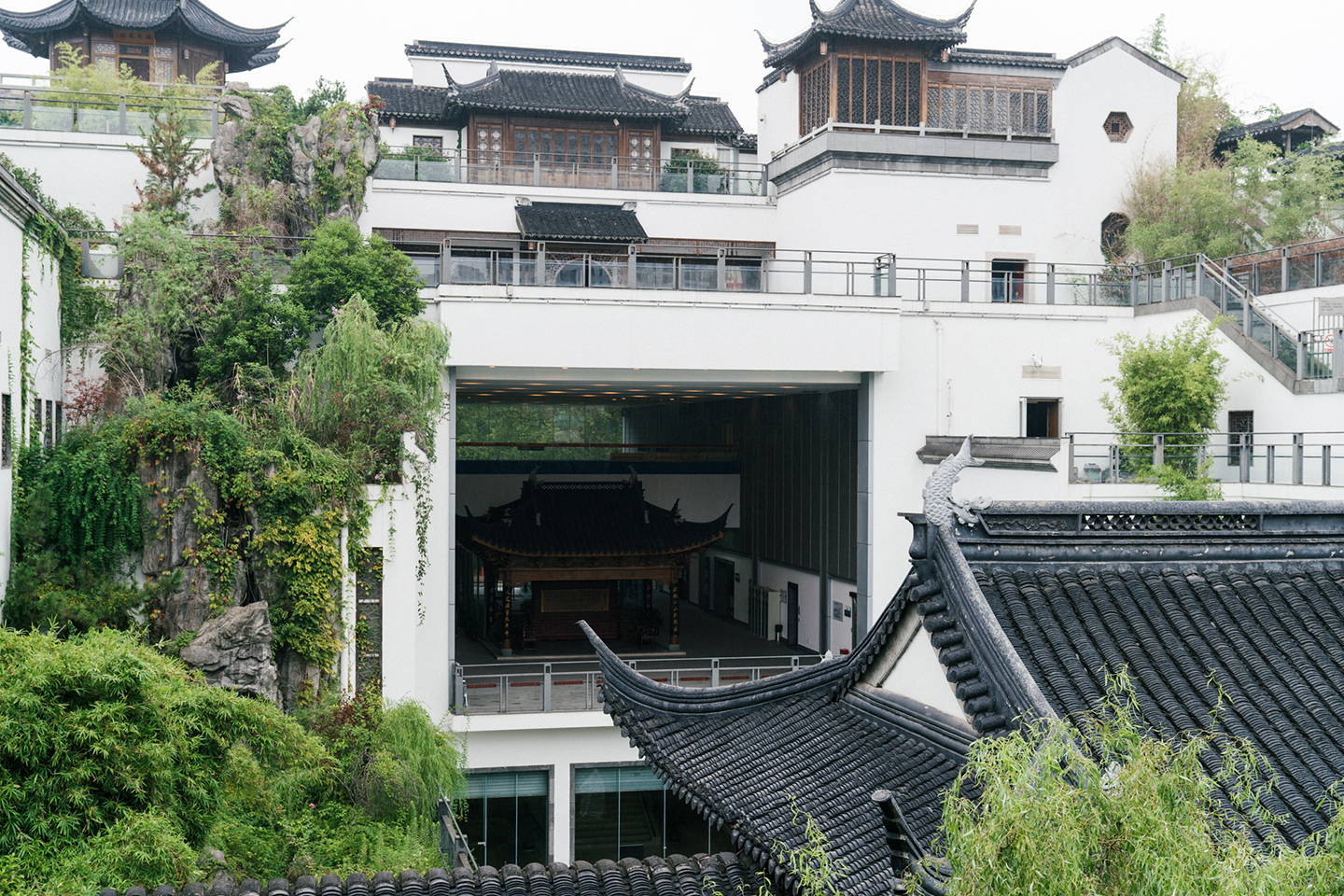
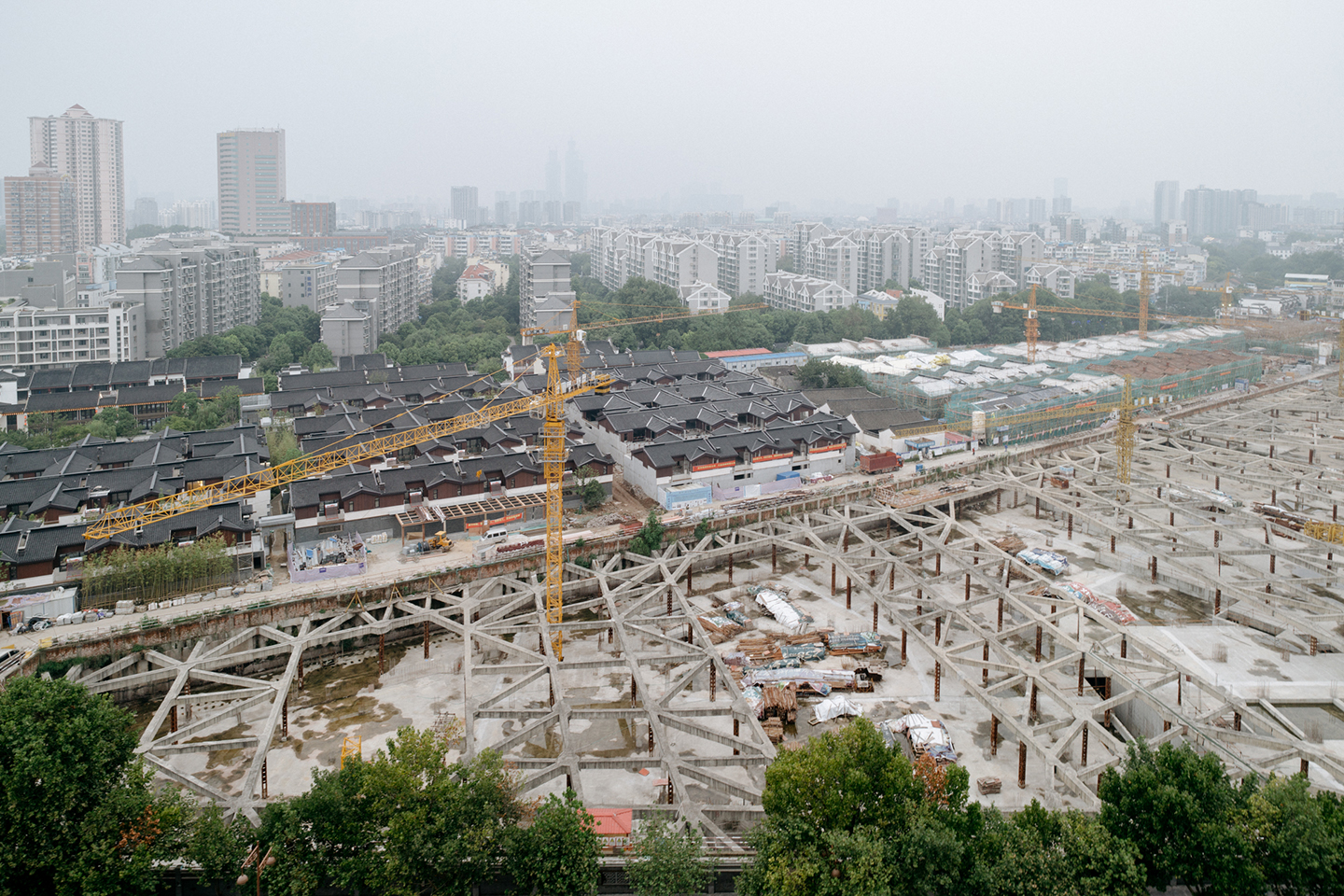
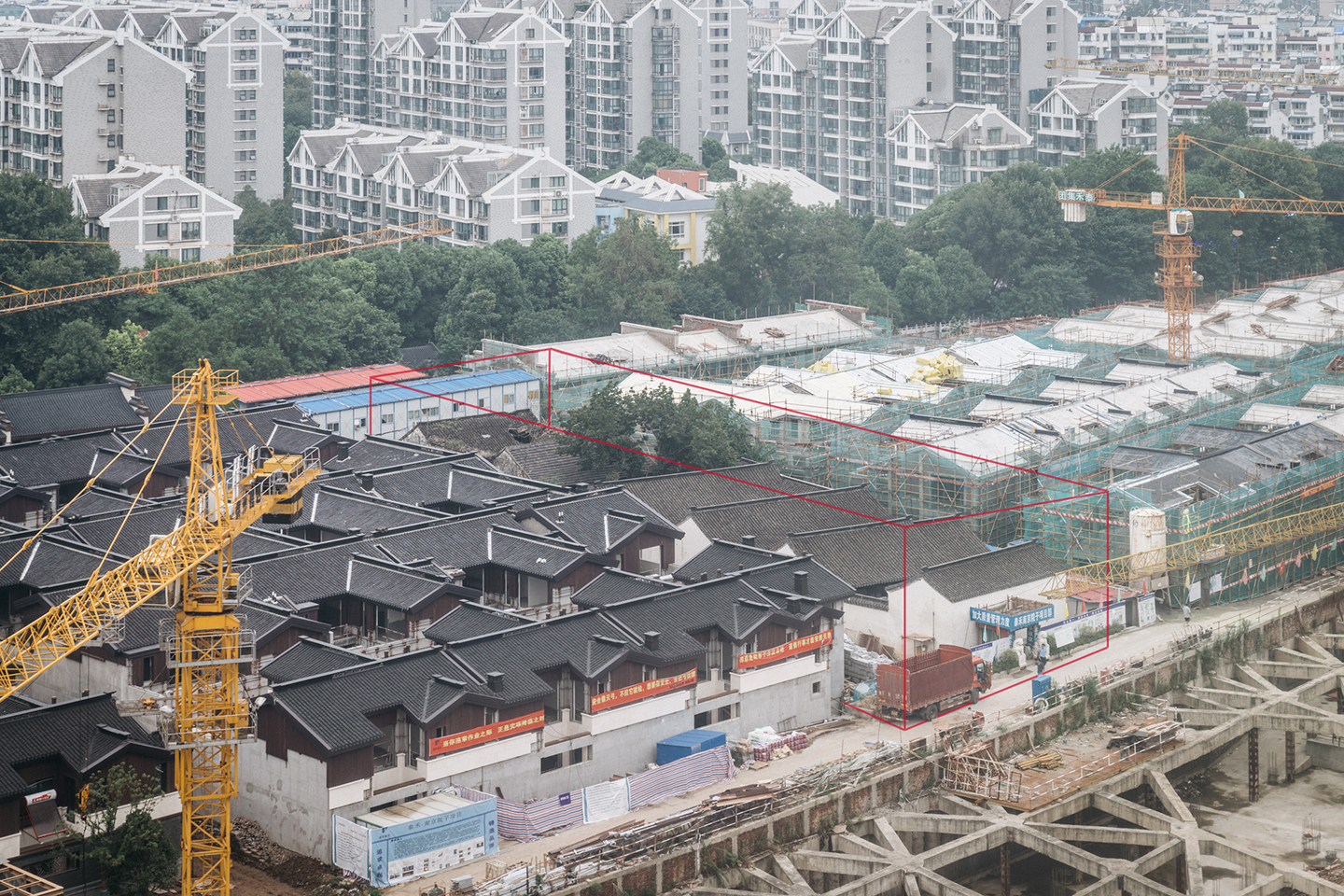
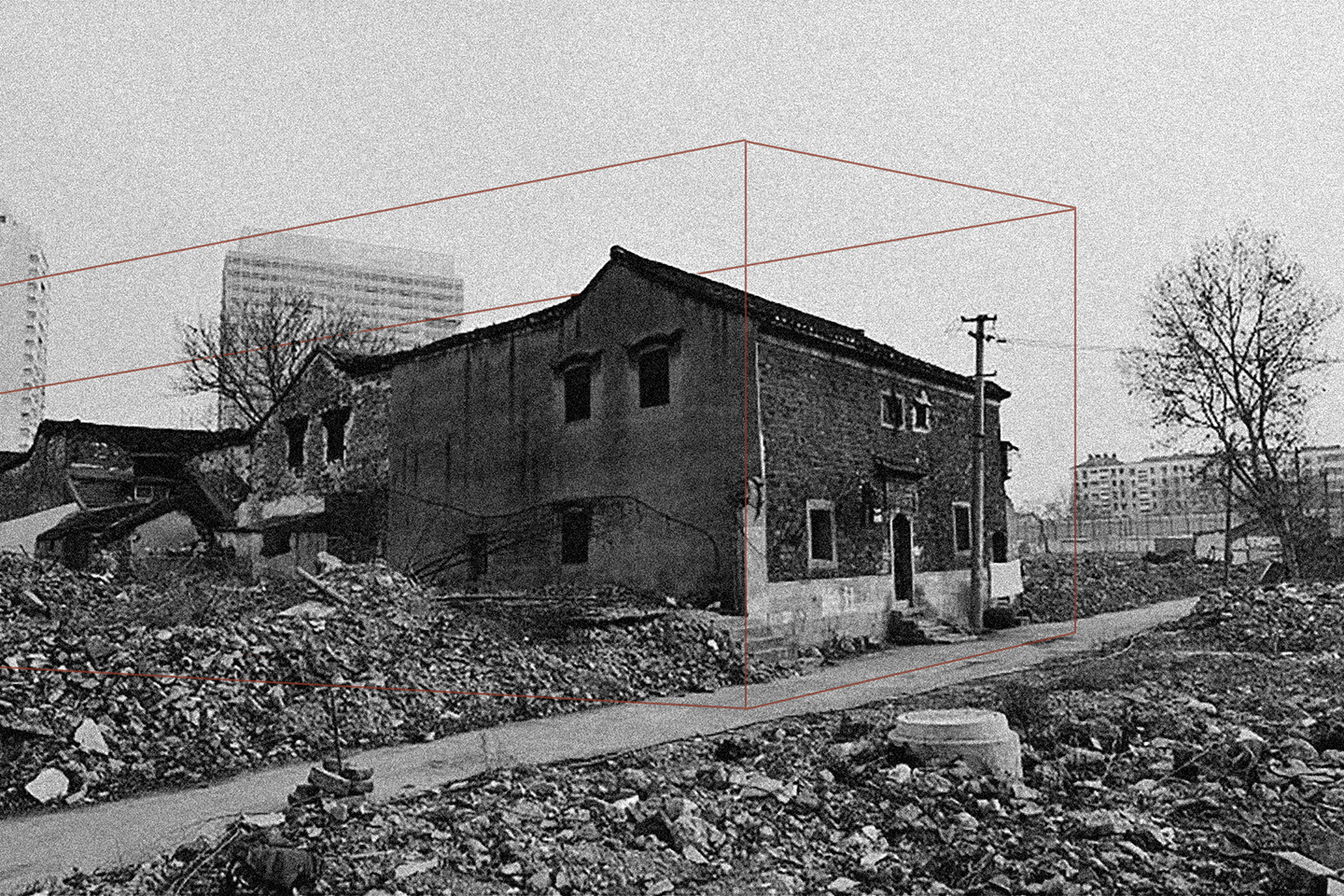
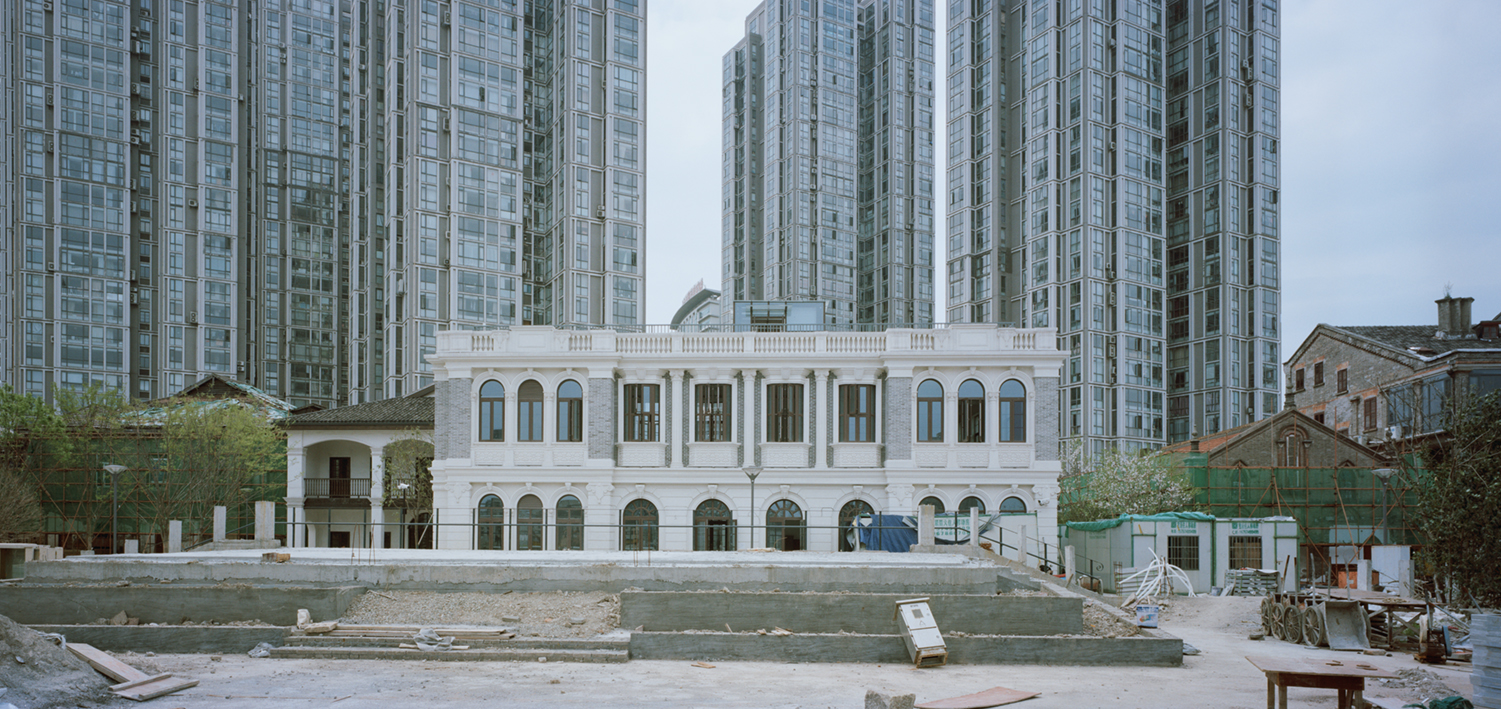
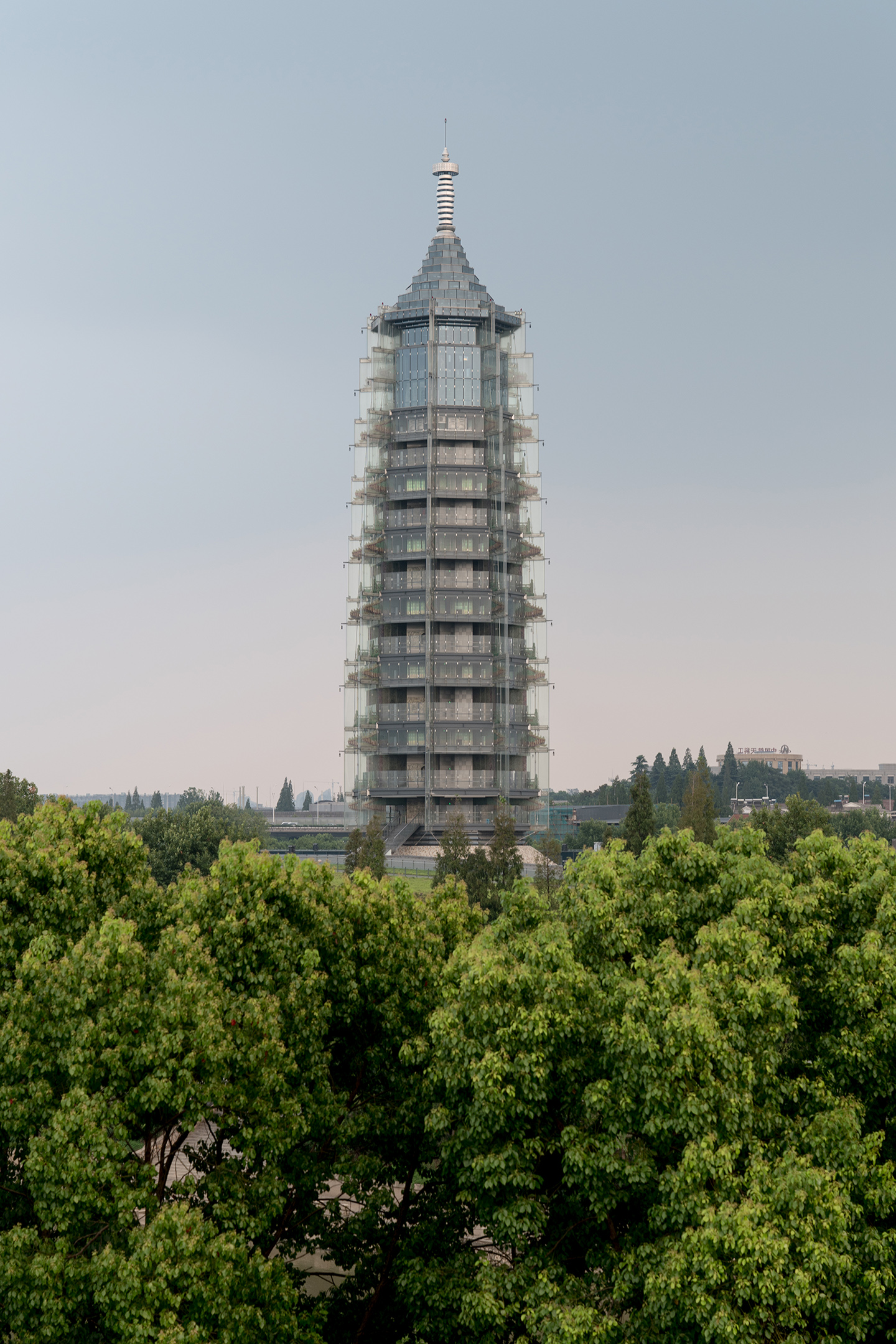
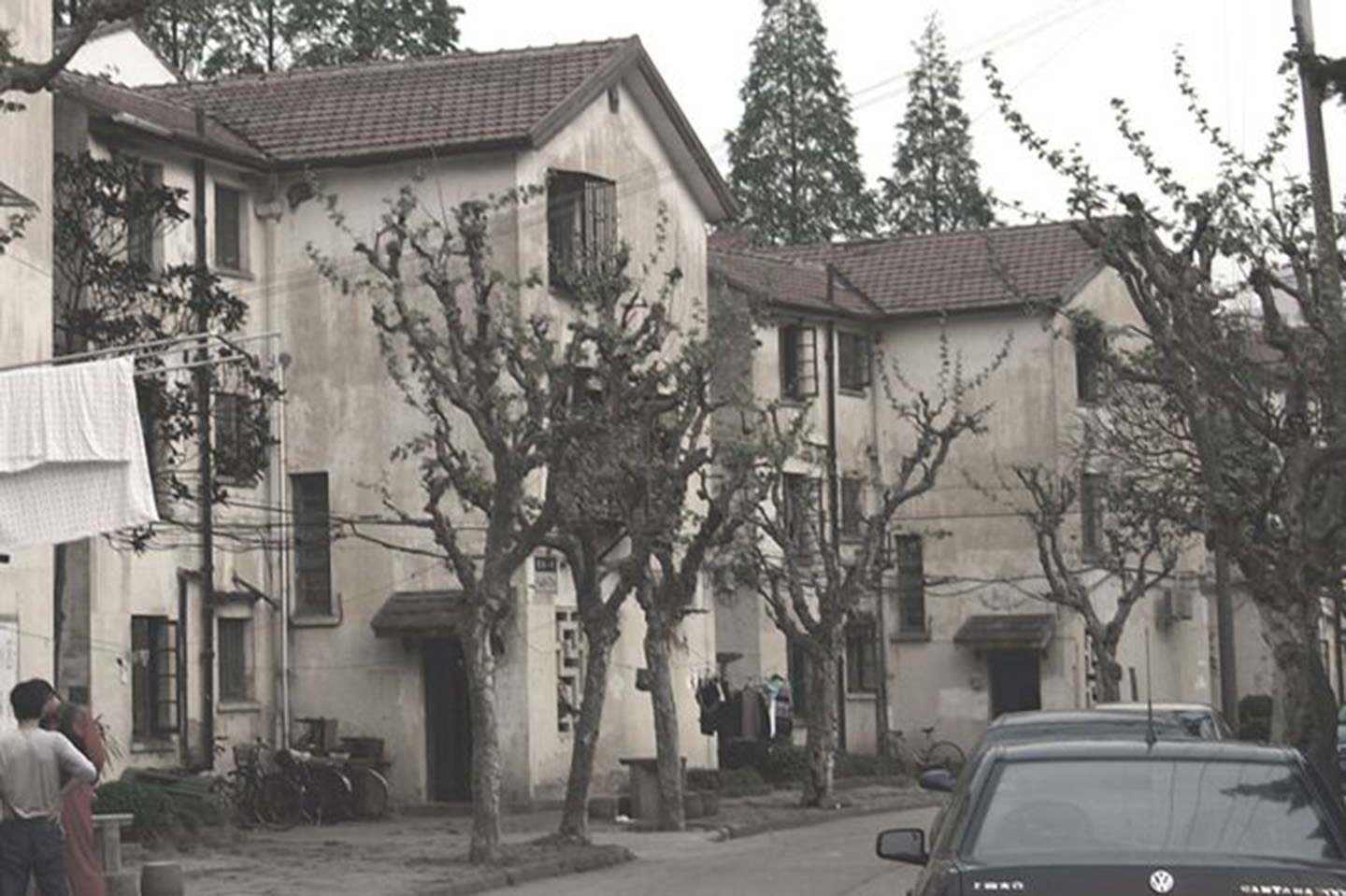
Li’s series “A Nanjing Just Like Nanjing” is inspired by the rising shift between the depictions of the Qinhuai River in ancient Chinese poetry and the Yangtze River and the contemporary world. When Li examined the modern-day inland port city on the Nanjing waterway, he found the once-picturesque scenes recorded in ancient poetry, such as the cabarets on the bank of the Qinhuai River or the Porcelain Tower of Nanjing, remodeled beyond recognition. What Li saw compelled him to examine the complex factors behind the “failures” that occur during historical transitions, and it made him question the nation’s initiative to restore and reconstruct historic structures in the name of conservation.

In reality, the restoration projects taking place in Nanjing have become to some extent mere imitations of the original creative processes, interfering with it even. The past and the present are repeatedly lumped together, and it has become increasingly hard to tell the original from the restoration. What this means is that the process we call “conservation” or “restoration” is actually erasing a period that will soon become history itself; from history’s own point of view, this kind of protection has already become ineffective, and what is really being preserved is not history but pseudo-history. On the other hand, what’s even more interesting, is that as soon as this indistinguishable mixture of real history, pseudo-history and soon-to-be history is visually recorded with the camera, it will actually become a real part of human history. As a result, we have here a never-ending cycle of actions similar to the making of carbon copies out of carbon copies.

Overall, the problem lies in our desire to construct a new kind of oneness out of the city’s ancient history, and I think this is one of the main issues Li Chaoyu tries to investigate in his work about the city of Nanjing (which in itself shows the same kind of duality of the old and the new).

Lighting up Hong Kong: between independence and integration, a power grid in the Pearl River Delta

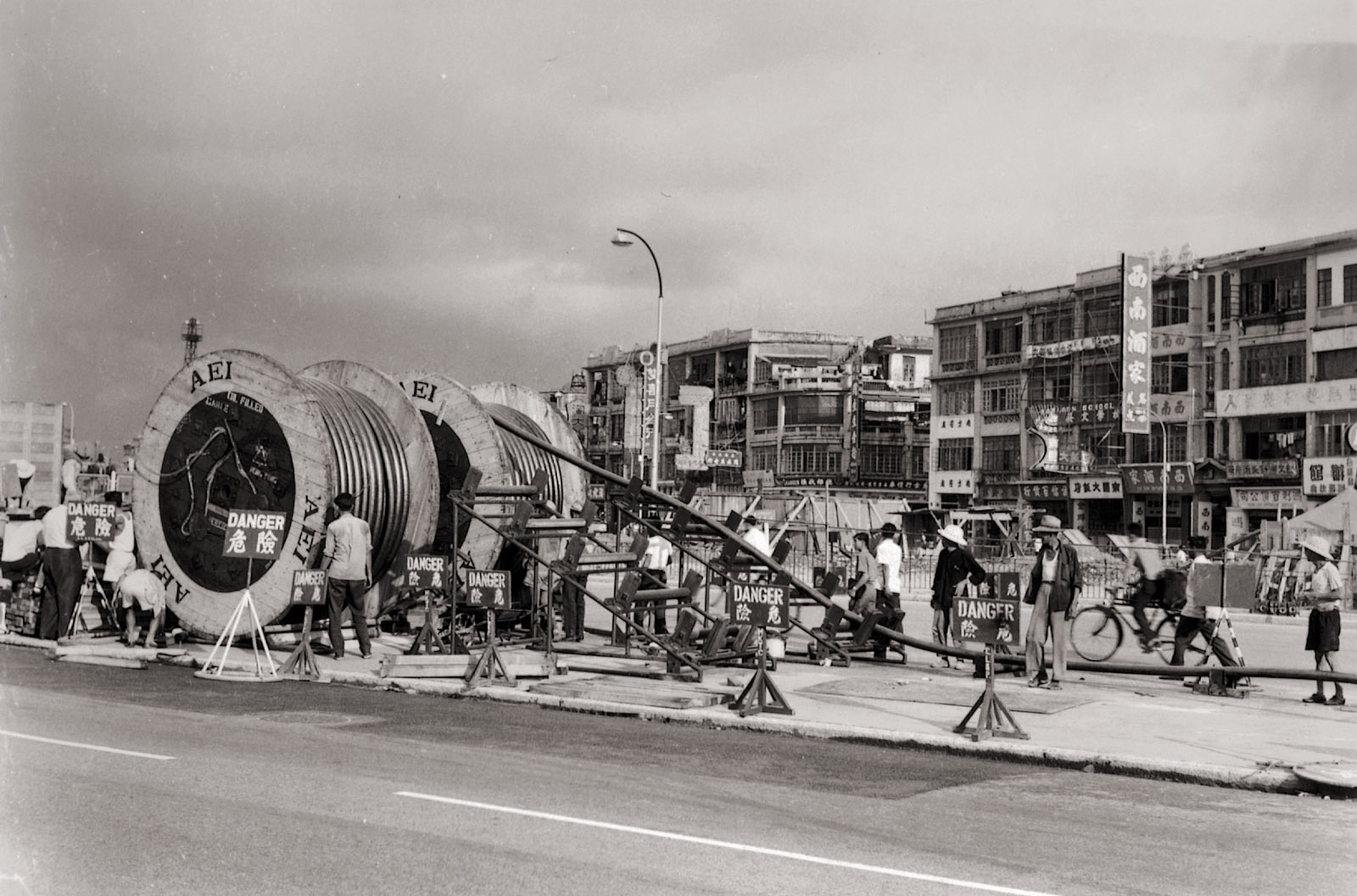
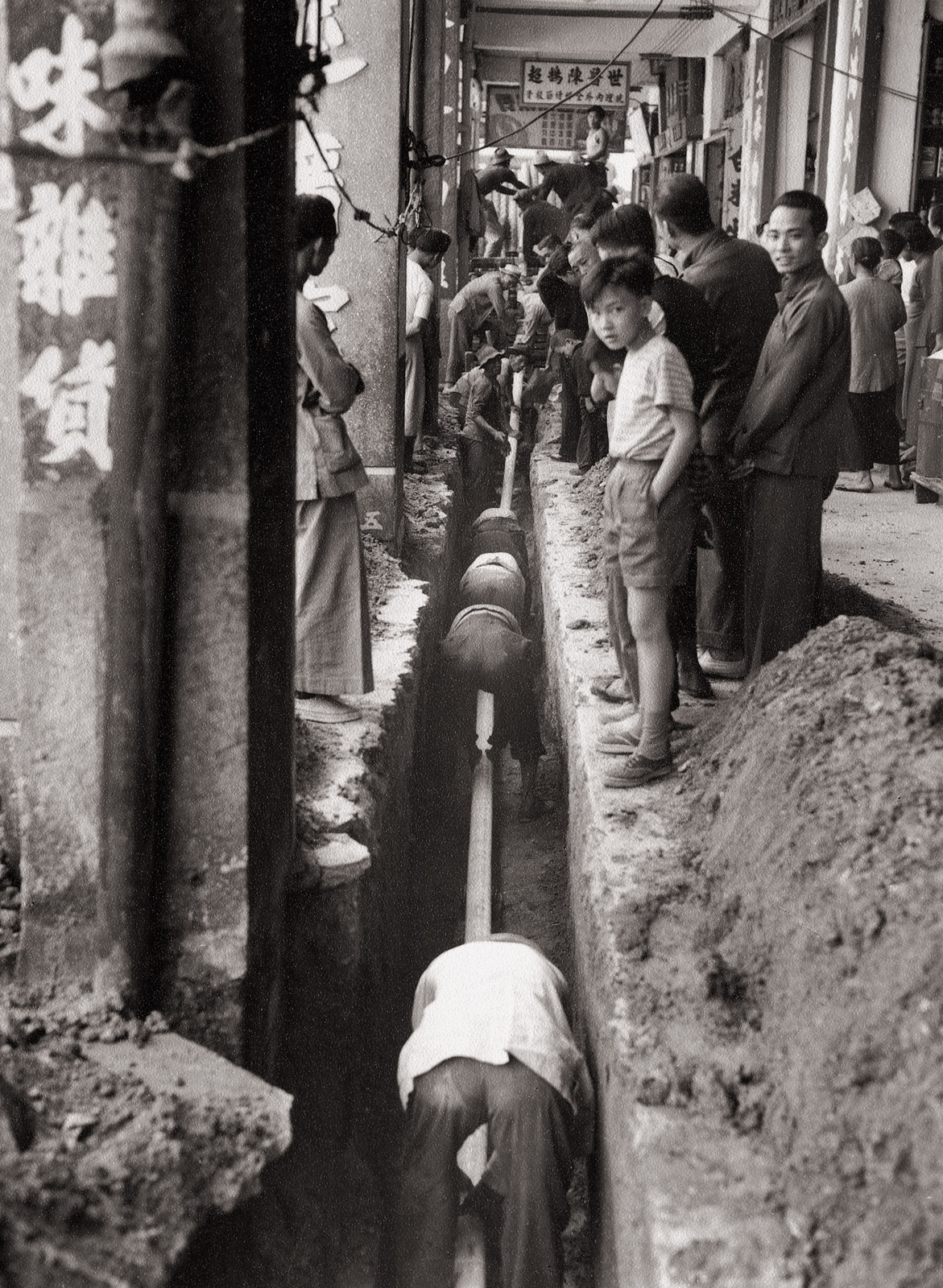
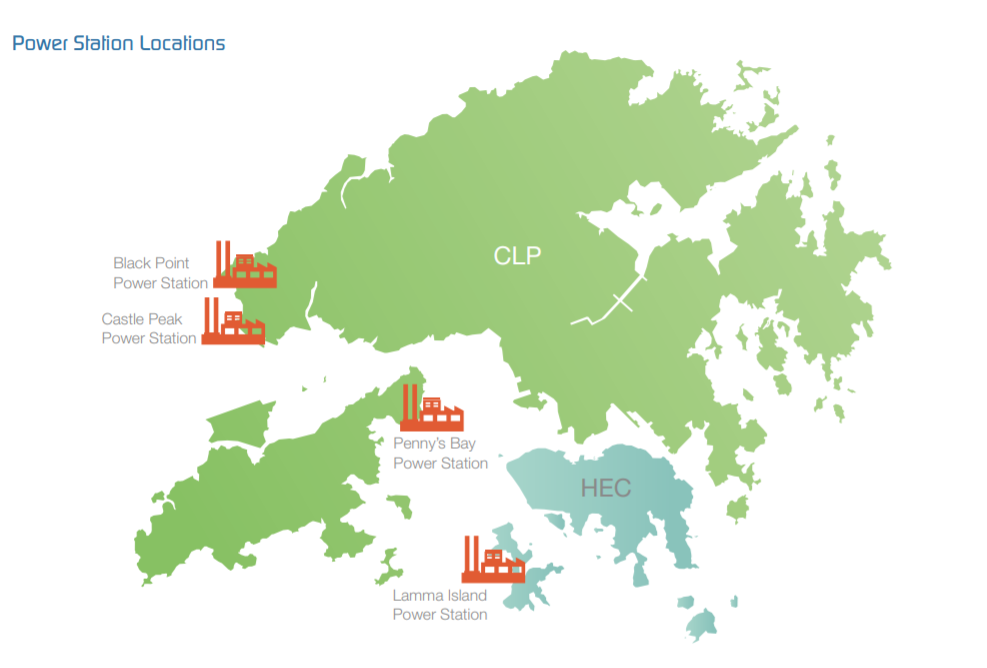
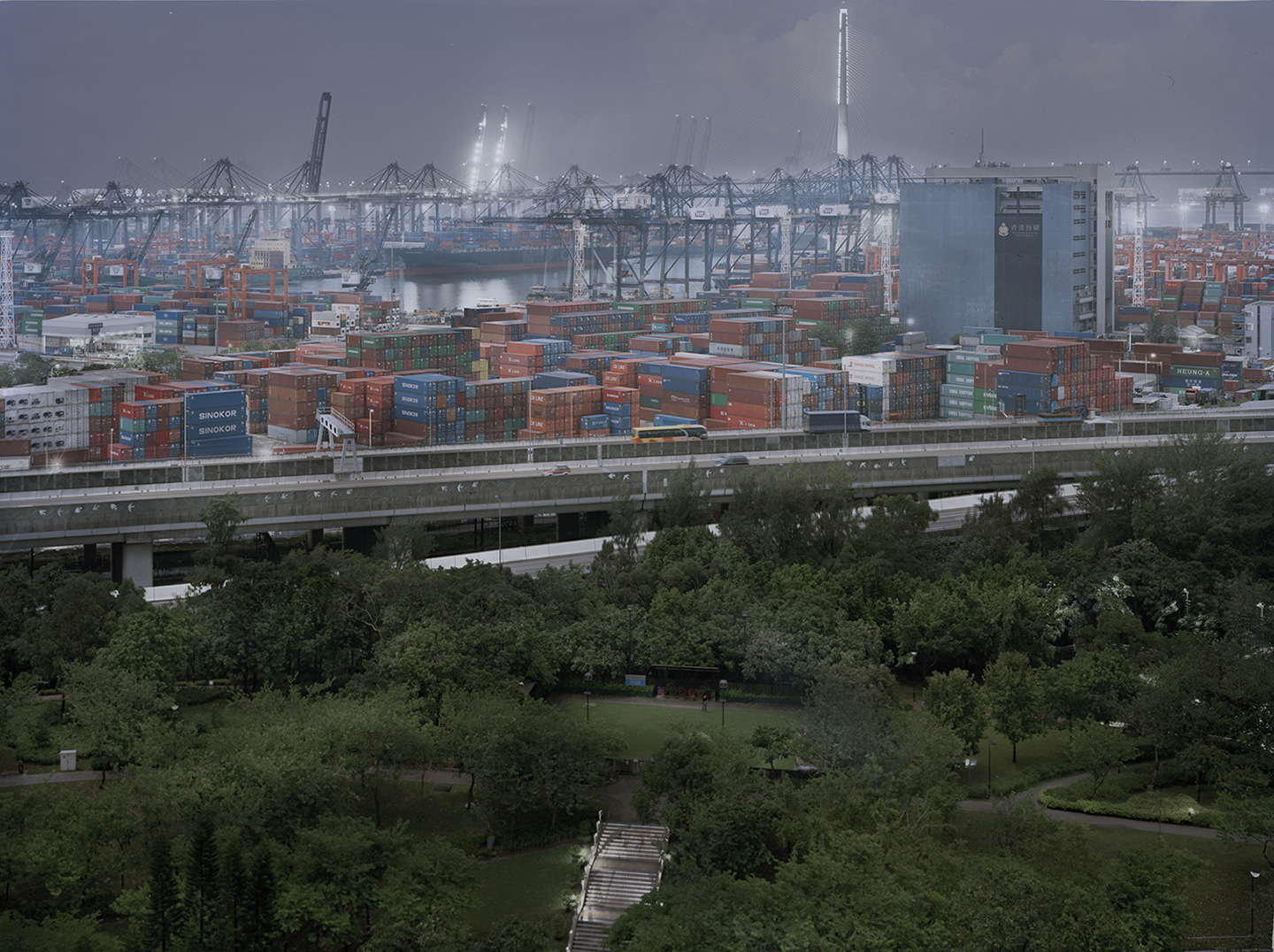
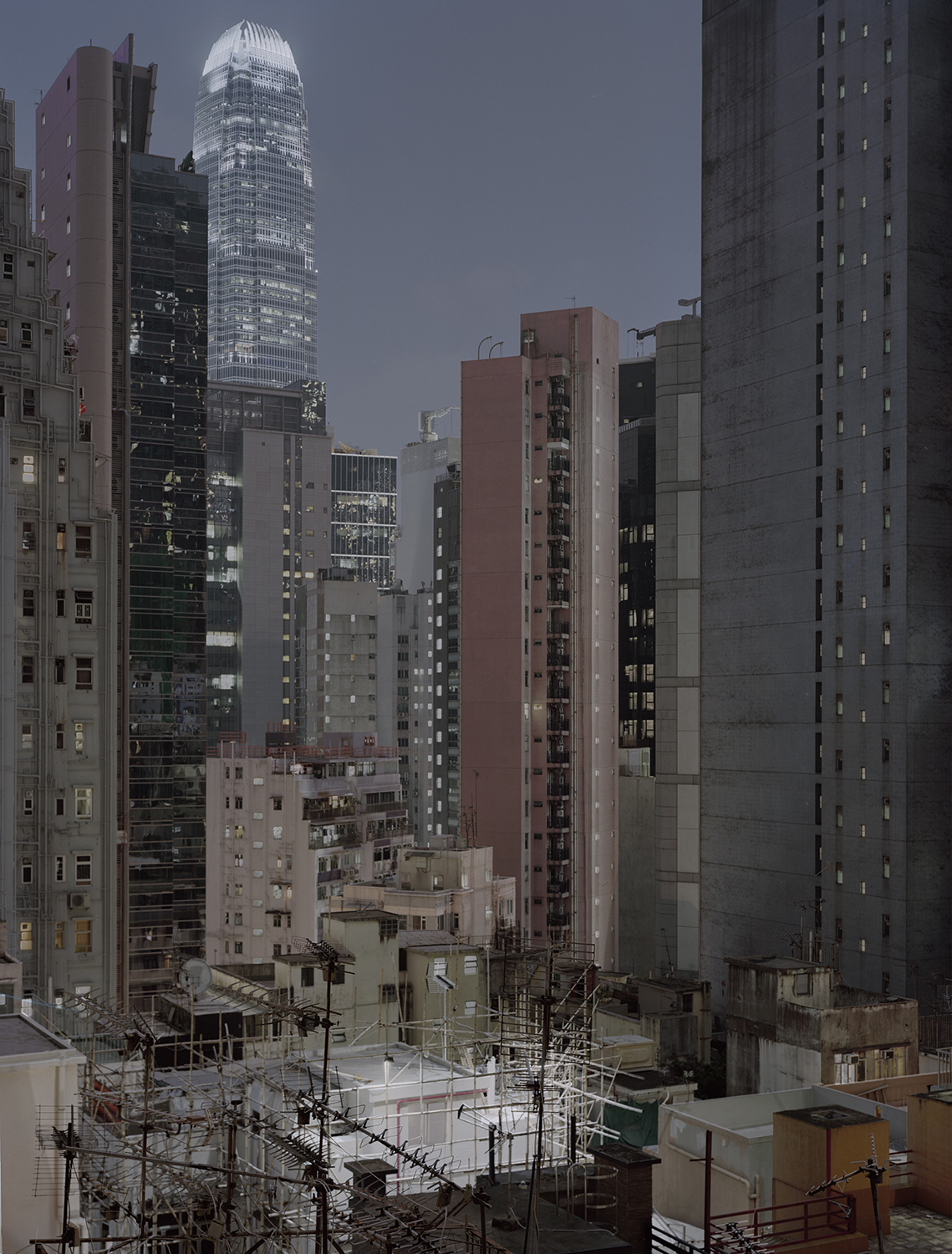
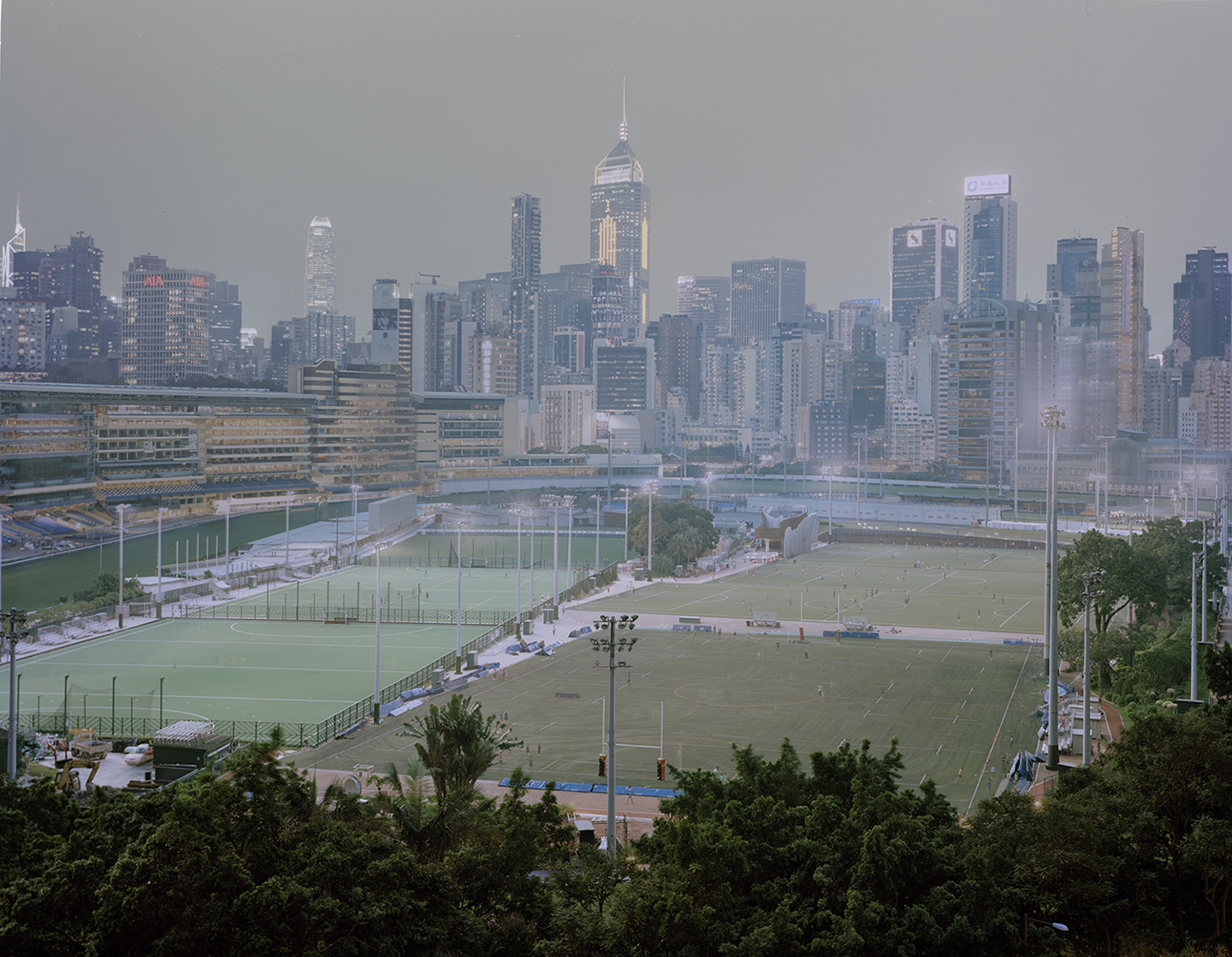
On December 1st, 1890, Hong Kong Island saw 50 electric street lights switched on by the city’s first electricity utility company, Hong Kong Electric (HKE)[1]. In 1919, electricity was used to light the streets of Kowloon for the first time by the China Light and Power Company (CLP)[2]. HKE and CLP would go on to develop their electricity generation capacities in a way that was almost completely independent from Mainland China. To this day, the two utility companies remain the sole providers of electricity for Hong Kong’s seven million inhabitants, and the source of its spectacular nightscape[3].

From independence to integration: power grids in the Pearl River Delta

Hong Kong’s pioneering electrical infrastructure was developed under British rule. Today, following the handover, China’s influence is felt under the ‘one country, two systems’ policy. While it still enjoys a high degree of autonomy as a Special Administrative Region, including the right to determine its own energy policy, Hong Kong has nevertheless been subject to a process of economic and physical integration with China. The regionalization of the Pearl River Delta has been stated as an official political goal of both the Chinese and Hong Kong governments, as indicated in the Greater Bay Area (GBA) Framework Agreement signed in 2017. One of the key objectives of the GBA plan is to promote infrastructure connectivity. This includes transportation projects such as the Hong Kong-Zhuhai-Macau bridge, as well as the cross-border integration of power grids.

The historical autonomy of Hong Kong’s power supply is thus being called into question by both regionalization policies and the government’s commitment to integrate local power grids with those of Mainland China. However, this official goal remains unpopular with the population, as shown by the results of two public surveys carried out in 2005 and 2014. This paper will seek to examine the reasons behind the political commitment to grid integration, and the sentiments underlying the popular opposition to the move.

Integration and the need to secure fuel sources

Historically, Hong Kong’s two electricity providers, HKE and CLP, have developed their generation capacities with almost complete autonomy. From the 1890s to the 1970s, all electricity consumed in Hong Kong was locally produced in what could be considered a state of energy autarky[4]. Each company built the power plants and transmission lines for its respective service area, (Hong Kong Island for HKE and the Kowloon Peninsula for CPL), with scarcely any overlap between the two.

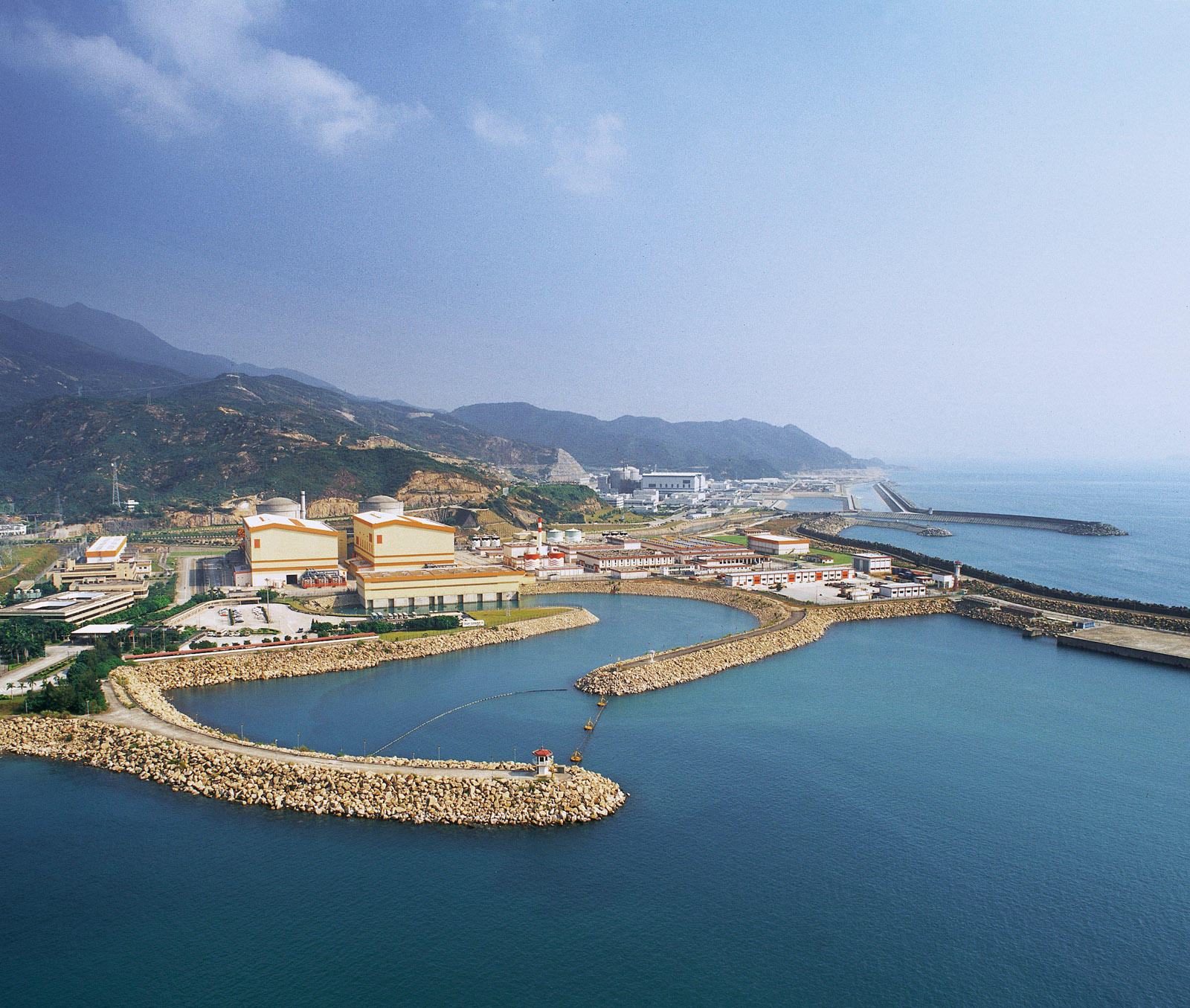
However, Hong Kong lacks the natural resources to fuel its power plants, and is hence dependent on external fuel providers. This dependency became especially problematic during the oil shocks of the late 1970s, as more than 99% of Hong Kong’s electricity was produced by oil-fired plants[5]. As a result, the city started diversifying fuel sources from the 1980s by turning first to coal and then to natural gas in the 1990s. At the same time, CLP began to look to Mainland China. In 1979, it connected its transmission lines to Guangdong and sold electricity to the province for the first time. In 1985, the company began construction of the Daya Bay nuclear power plant as part of a joint venture, with the first electricity imported from the nuclear plant used in 1994[6]. In 2013, the fuel mix was 57% coal, 21% natural gas, and 22% nuclear power from Daya Bay[7].

The need to diversify fuel sources for future energy production was therefore an initial driver of cross-border integration. Subsequent concerns about the outdated regulatory framework and sustainability issues would strengthen the political commitment to this policy.

Justifying the integration: economic efficiency and environmental sustainability as drivers of the shift

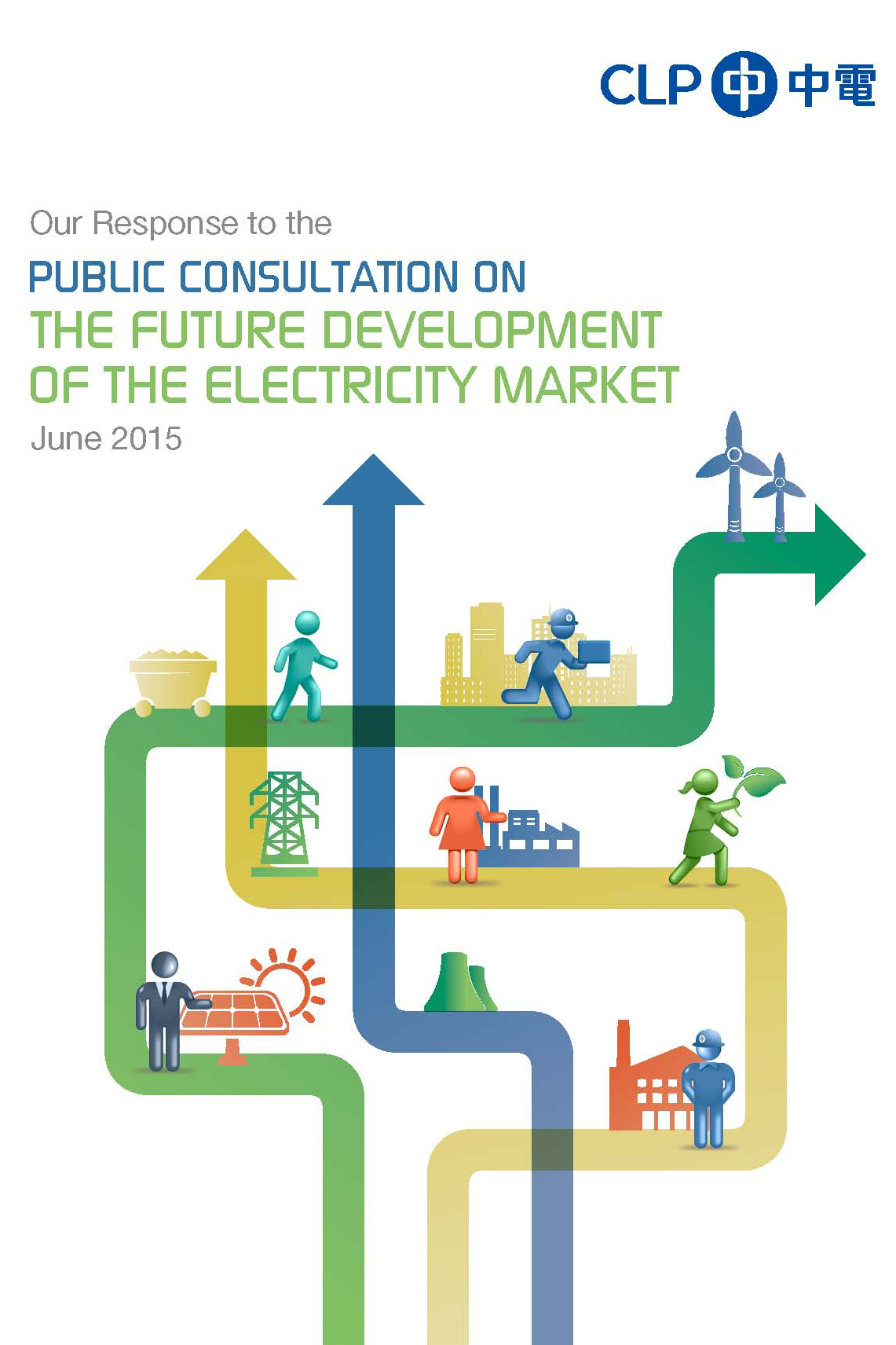
Since the 1960s, Hong Kong’s electricity supply industry has been governed by the 1979 Scheme of Control Agreements (SCA). In the early 2000s, however, the SCA no longer met the city’s energy goals to provide reliable, safe, and affordable electricity while respecting the environment[8]. Hong Kong officials initiated reform efforts in 2005 by holding a public consultation to renegotiate the SCA. The new ten-year agreement was signed in 2008, and in 2014 a second consultation was held to prepare the renegotiation of the next agreement[9].

As part of these two public consultations, Hong Kong officials introduced the option to import electricity from the mainland as a way to secure the economic and environmental sustainability of the city’s energy future. Hong Kong’s limited land availability makes it nearly impossible to deploy large-scale renewable energy generation plants, meaning that its only way to become “greener” is to import electricity produced from renewable sources[10]. The option of importing “green” energy from the mainland is intricately linked to another proposal introduced in the 2005 consultation: the opening up of Hong Kong’s electricity market to competition, including from companies in Mainland China[11]. Officials argue that competition would allow for both improved economic efficiency and increased use of renewable energy, as 38% of the electricity supplied by the China Southern Grid in 2013 came from renewable sources.

The need to reform the Hong Kong electricity sector has led officials to realise that the city cannot effectively improve the sector’s economic efficiency and environmental sustainability on its own. In the 2005 and 2014 consultations, the government presented integration with Mainland China as a viable, even necessary option to secure the city’s future electricity supply, reflecting its broader policy goal of PRD regional integration. However, cross-border power grid connection has not progressed as anticipated. This is in part due to strong opposition from Hong Kong citizens, as discussed in the following section.

Opposing integration: residents’ concerns over energy security

Hong Kong residents were not convinced by the government’s arguments in favour of power grid integration. They expressed their concerns during the two public consultations of 2005 and 2014. The latter proposed two options for the city’s future electricity mix: either import more electricity from the mainland, or increase the share of natural gas used in local electricity generation. The large majority of respondents preferred the second option – a clear indication of their opposition to integration plans[12]. Concerns over energy security were a major factor in this stance.

The most frequent reason for opposing electricity imports was respondents’ fear of a less reliable electricity supply. Hong Kong’s electricity supply is one of the most reliable in the world, with a reliability rate of 99.9997% (yearly interruptions below 3 minutes). The China Southern Grid can hardly compete, in spite of rates of 99.98 and 99.97 for Shenzhen and Guangzhou, respectively, in 2012 (1.5 hours of yearly interruption on average)[13]. This fear of lower reliability is exacerbated by the increased share of renewable energies that would result from the import option, as fossil fuels are considered more reliable sources of energy than renewables[14].

In addition to concerns over reliability, residents expressed fears that the import option may decrease Hong Kong’s independence in determining its energy policy. Some respondents to the 2014 consultation rejected the import option on the grounds that it would lead to a loss of control over power supply and would make the city over-reliant on Mainland China[15].  These fears point to Hong Kong residents’ lack of trust towards the Chinese authorities, as deepening integration in the GBA has been met with bottom-up resistance and the rise of anti-China sentiments within civil society. The rejection of the import option could have been shaped by this growing trend for resistance to PRD integration in all sectors, as well as by recent events such as the 2014 pro-democracy protests[16]. Reactions to the 2014 consultation clarified that the city’s energy security, in terms of both reliability and independence, was deemed more important than any potential environmental benefits.

Conclusion

The future of Hong Kong’s electricity supply is shaped by political issues surrounding the regionalization of the PRD. Initial steps towards cross-border integration of the electricity networks were taken to secure supply by diversifying fuel sources. Today, conversely, citizens perceive further integration as a threat to a secure energy future, in spite of the political commitments undertaken. These concerns echo broader concerns about the benefits of regionalization, illustrating Hong Kong residents’ distrust of the Mainland and the increasing role that it plays in the city. Authorities have not been able to demonstrate sufficient economic or environmental benefits to shift opinion in favour of the import option, and the two utilities companies have clearly expressed their preference for maintaining the status quo. Governments on both sides have yet to work out a strategy to convince firms and citizens of the benefits of cross-border power grid integration.

Edited by: Jeremie Descamps. Article published with the support of the Embassy of France in China. 

Notes

[1] Waters, Dan. (1990). Hong Kong ‘Hongs’ with histories and British connections, J. R.Asiatic Society Hong Kong Branch, 30: 219–256 http://hkjo.lib.hku.hk/archive/files/8deeba7475f950a5f3938fc24f687bbe.pdf
[2] CLP. (2014). “Company Profile – Our history”. CLP Website. https://www.clpgroup.com/en/about-clp/company-profile/our-history
[3] Moss, Timothy and Maria Francesch-Huidobro. (2016). Realigning the electric city. Legacies of energy autarky in Berlin and Hong Kong. Energy Research & Social Sciences, 11: 225-236
[4] Ibid
[5] Chow, Larry Chuen-ho. (2001). Changes in fuel input of electricity sector in Hong Kong since 1982 and their implications. Energy Policy 29: 1399-1410
[6] CLP. (2014).
[7] Environment Bureau. (2015). Public Consultation on the Future Development of the Electricity Market. Hong Kong Environment Bureau. https://www.enb.gov.hk/sites/default/files/en/node3428/EMR_condoc_e.pdf
[8] Chan, Chi Tak. (2006). What are the alternatives available to Hong Kong in structuring the electricity supply industry? Energy Policy 34: 2891–2904
[9] Holley, Cameron and Emma Lecavalier. (2017). Energy governance, energy security and environmental sustainability: A case study from Hong Kong. Energy Policy 108: 379-389
[10] Ibid
[11] Environment Bureau. (2015).
[12] Ibid
[13] Cheung, Chi-fai. (2014). “Reliability issues raised in proposal to power Hong Kong from mainland grid”. South China Morning Post, Apr. 28th 2014. https://www.scmp.com/news/Hong Kong/article/1498669/reliability-issue-proposal-Hong Kong-tap-mainland-chinas-grid [Accessed 27/12/2018]
[14] Holley, Cameron and Emma Lecavalier. (2017).
[15] Environment Bureau. (2015).
[16] Holley, Cameron and Emma Lecavalier. (2017).

‘The Port and the Image’ – Excavations of a Shipwreck

The invention of photography has provided humans with the ability to candidly record city views to retain them in our memories. Speaking of the city’s challenging role in preserving traditional memories in the face of industrialisation in his book The Media City: Media, Architecture and Urban Space, Australian communications scholar Scott McQuire explains, “due to its speed, relative low cost, widespread prevalence, and objective touch, photography has provided us a great relief from the increasingly urgent need for the preservation of cultural memories”.

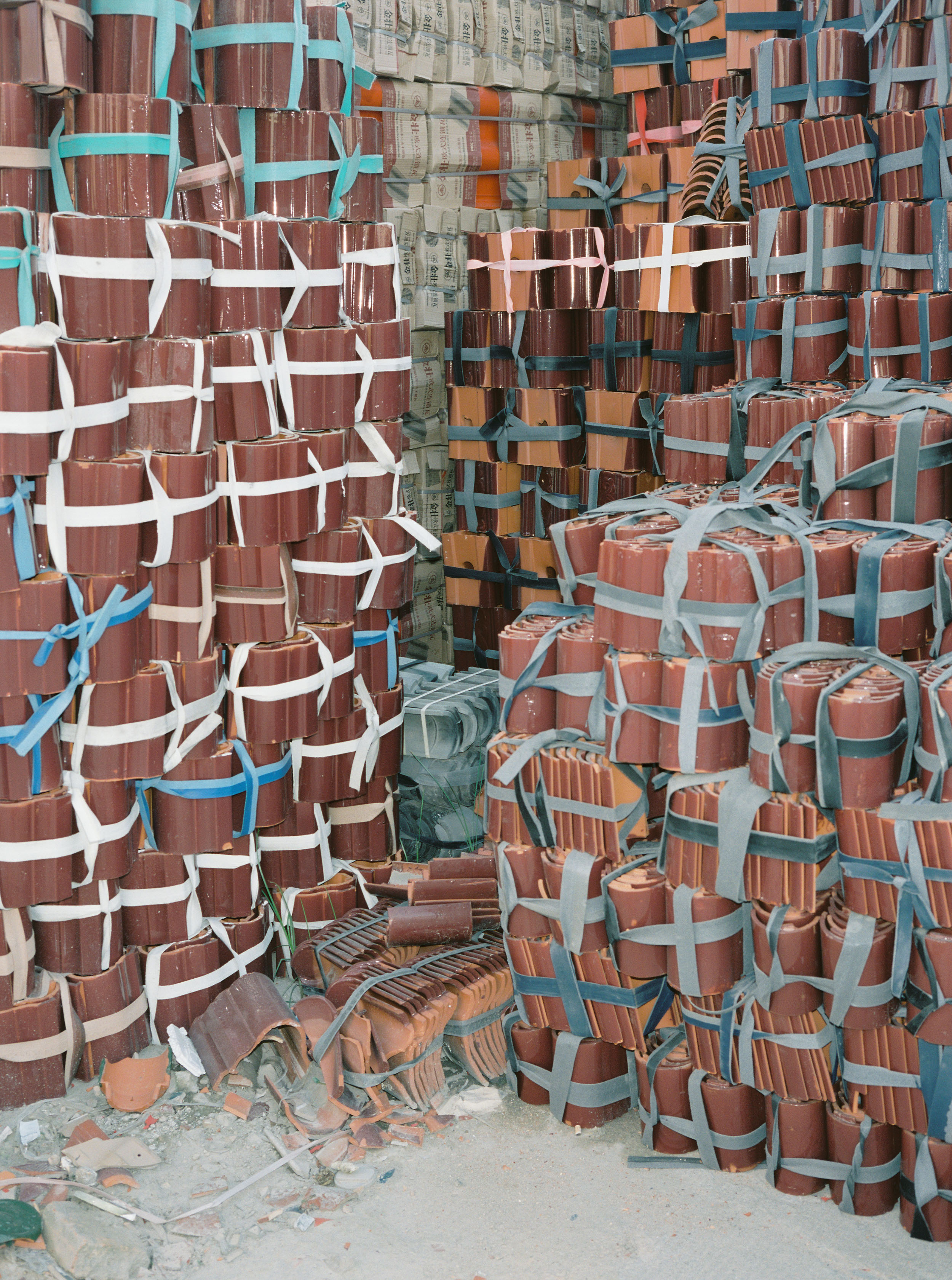
Regional photographers capture monuments of historical or collective significance or ruins hidden beneath the passage of time. They have delineated a subsection of architectural photography that takes audiences on a journey towards the past. Helping build China’s contemporary atlas of photographic record is young photographer Zhu Lanqing, whose practice leads viewers to freely traverse between present and past. By using various narrative techniques to reconstruct specific architectural structures, spaces, and locations with the aid of historical records, Zhu demonstrates the capacity of photography to narrate history from multiple angles.

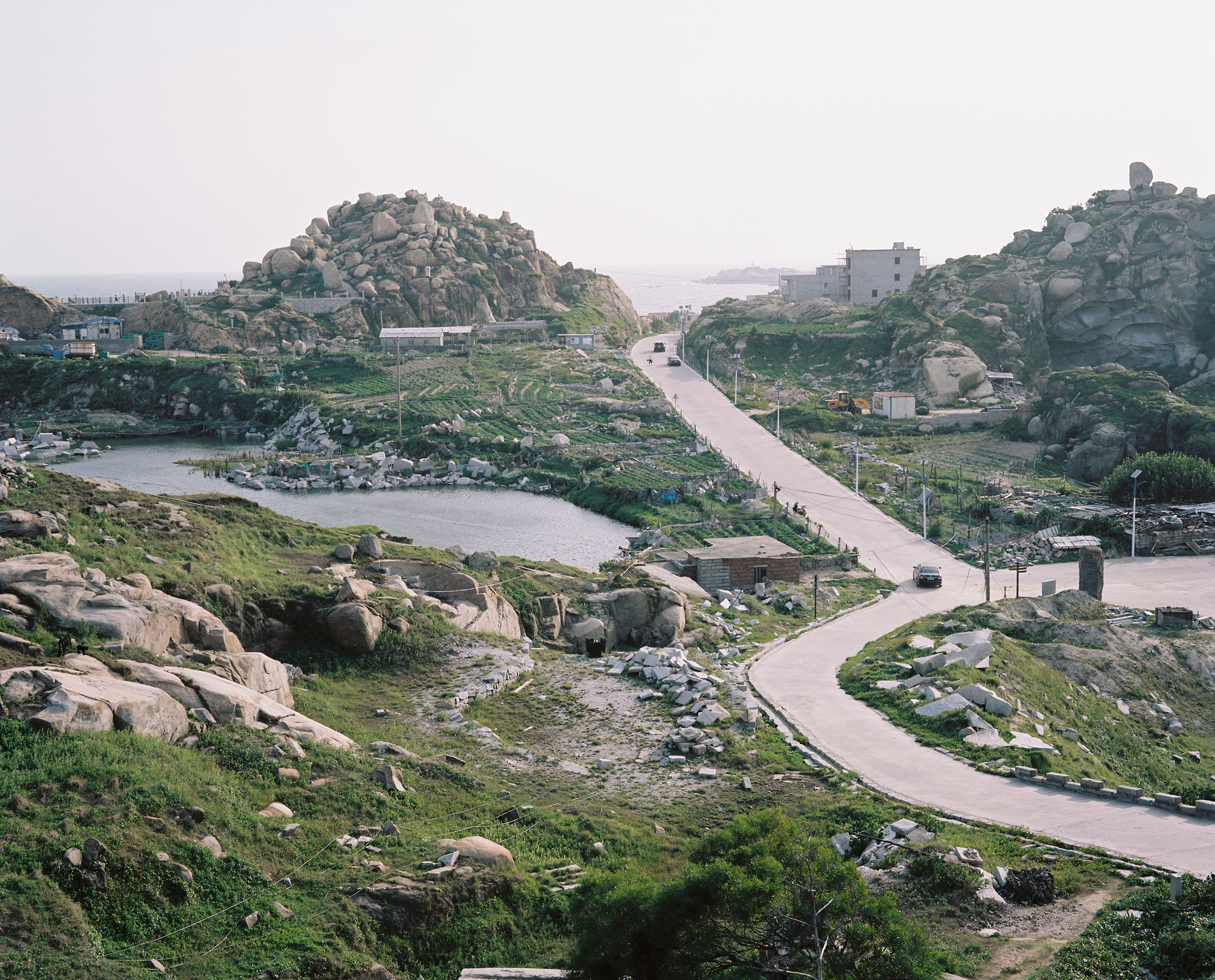
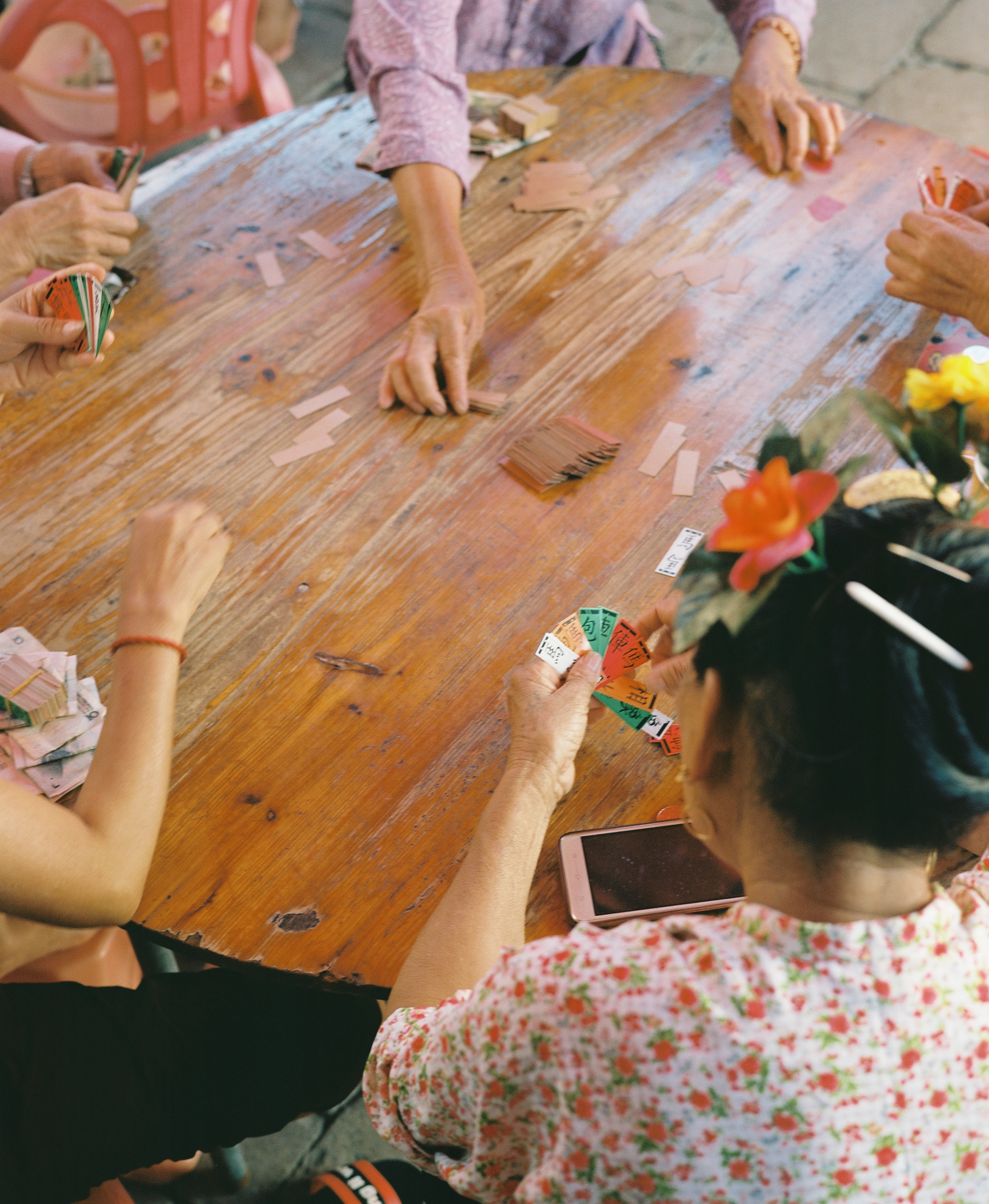
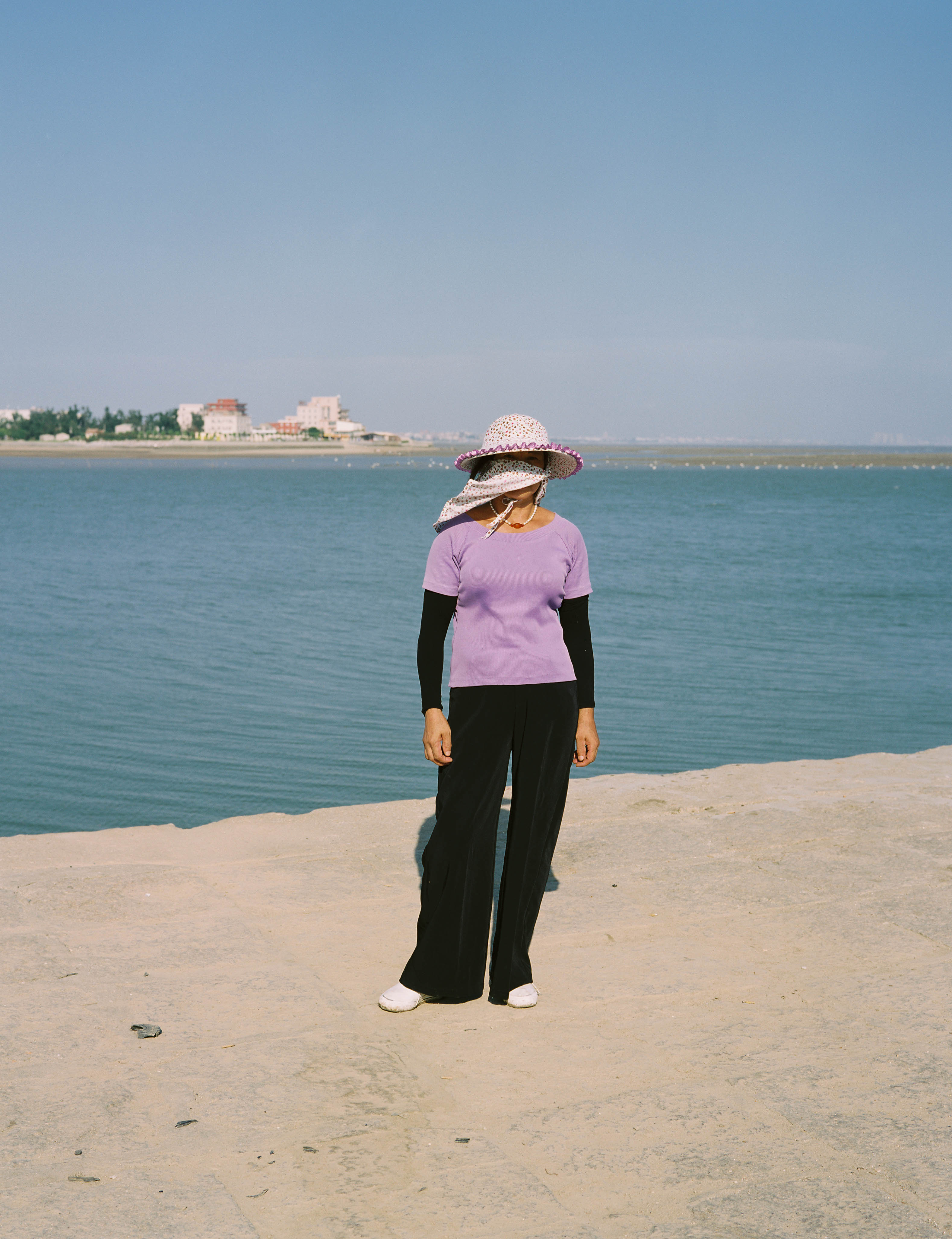
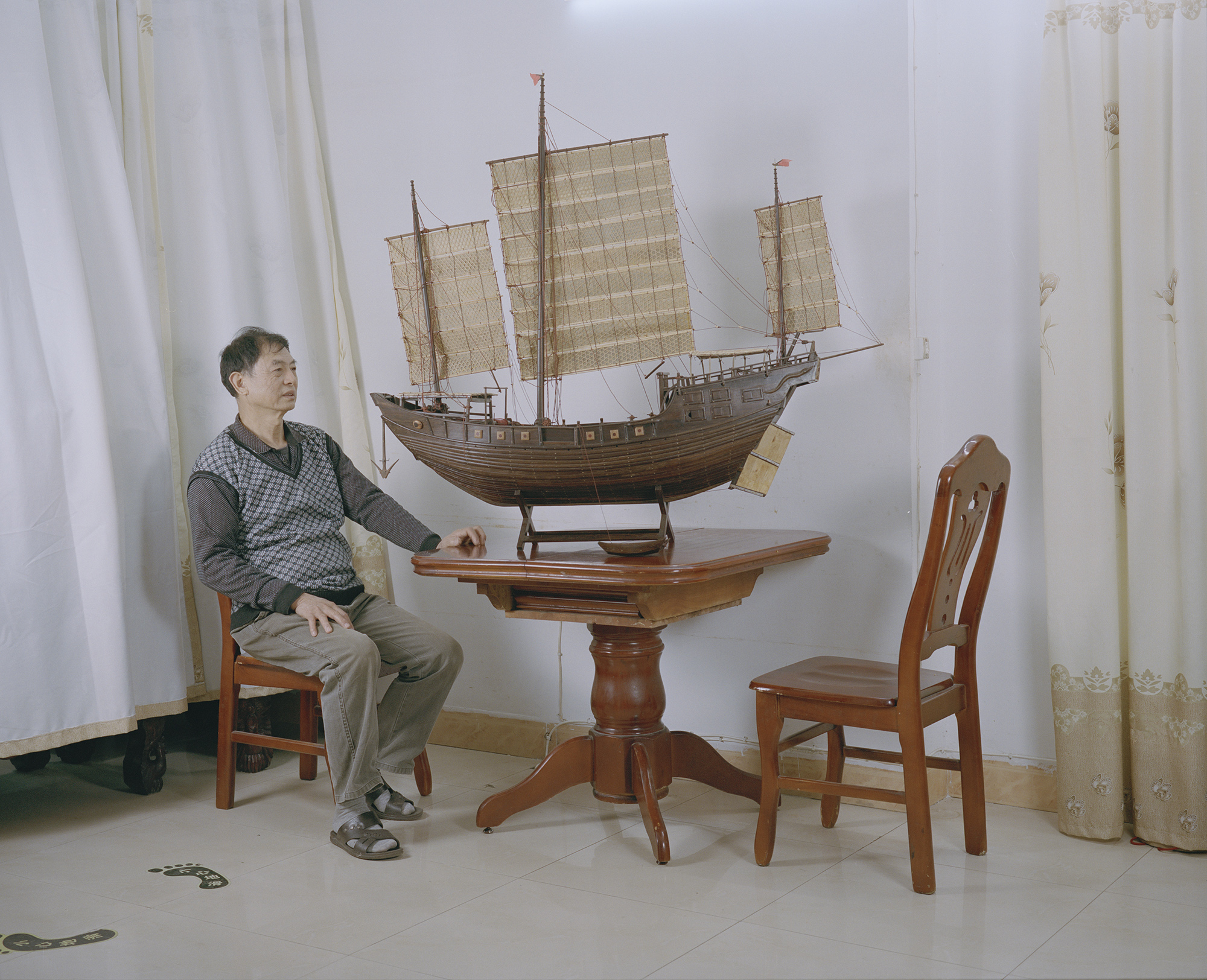
In 2017, Zhu Lanqing hoped to explore Quanzhou’s history and culture through Excavations of a Shipwreck, which is one of seven projects commissioned by the China Port Museum.

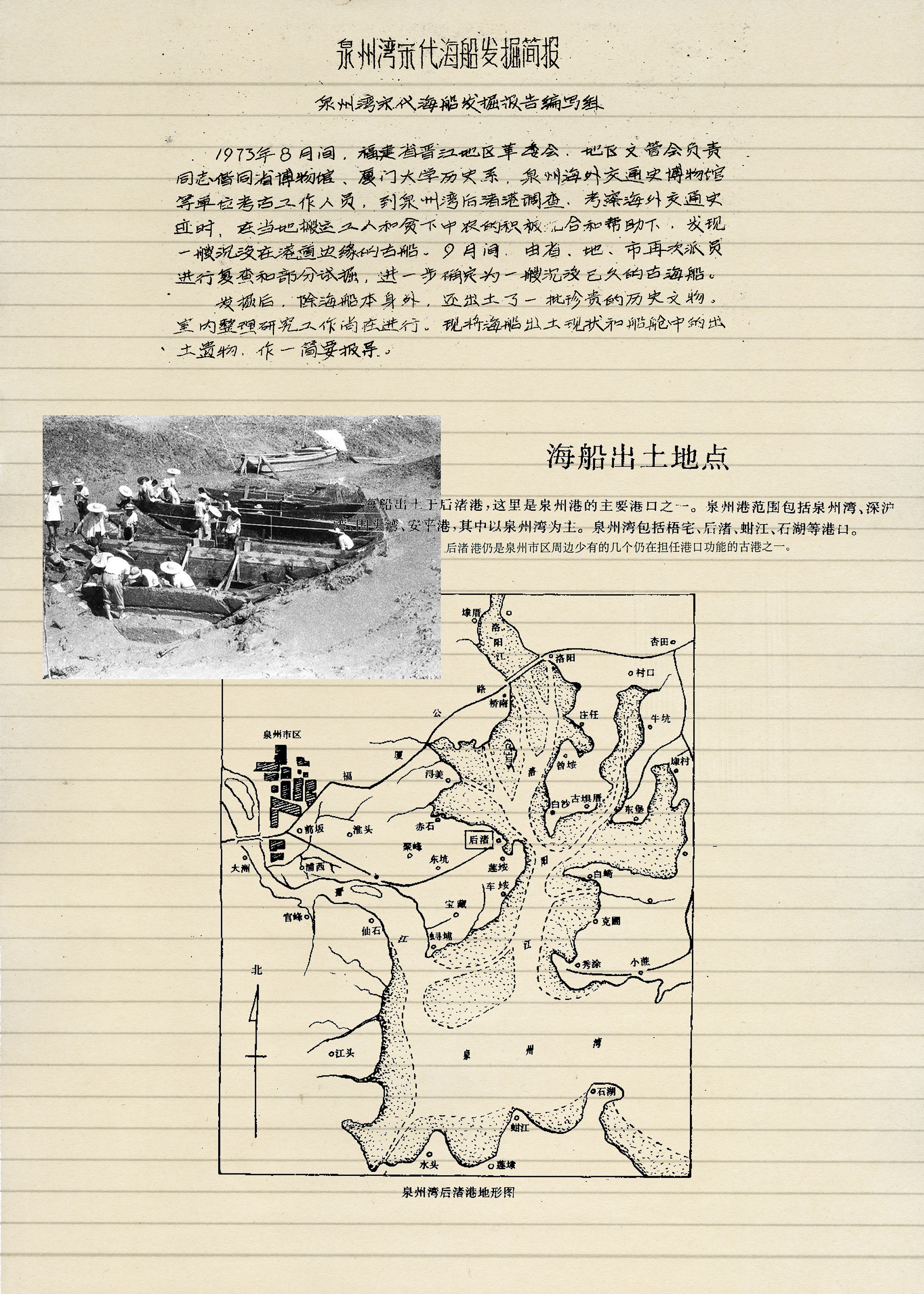
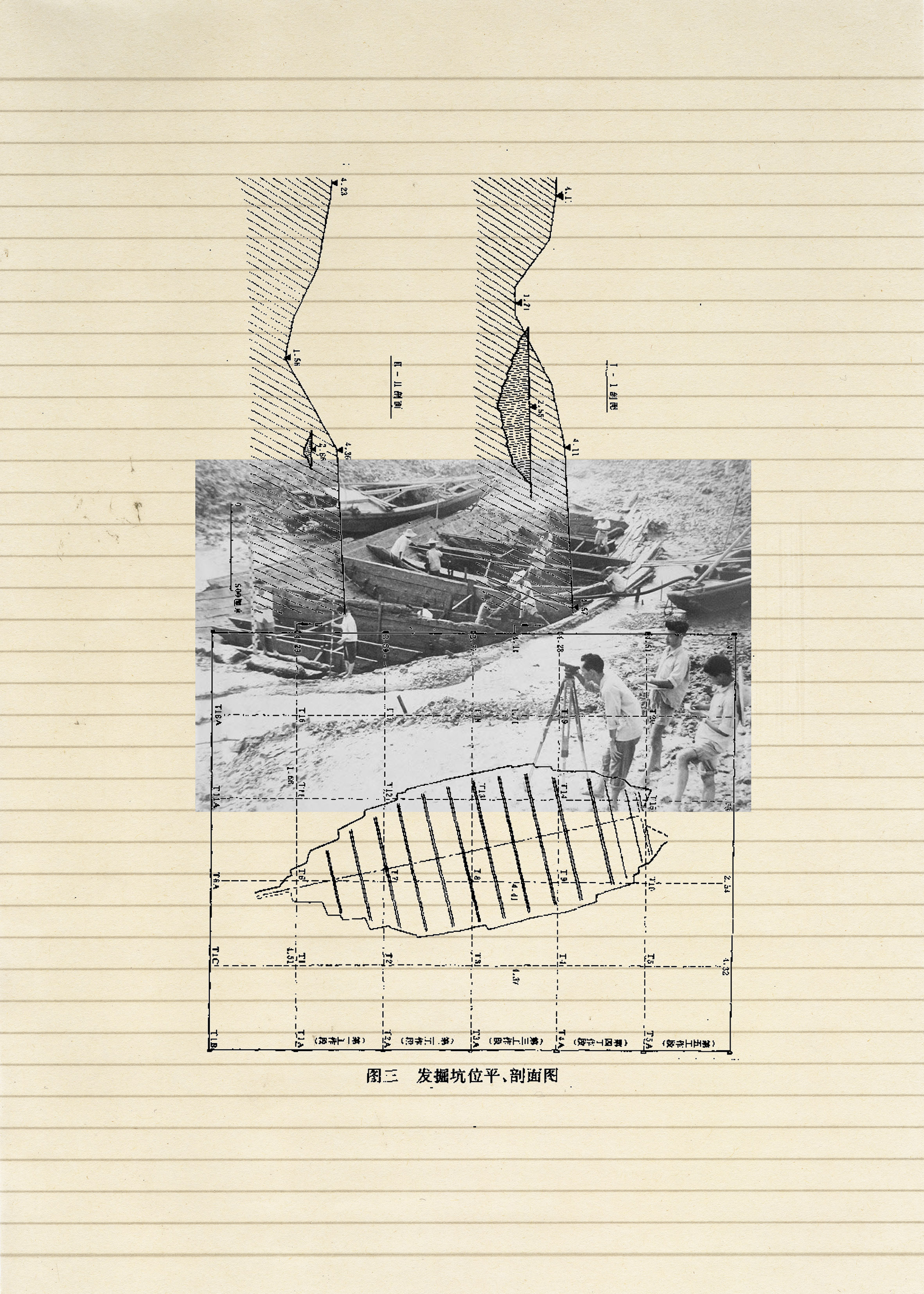
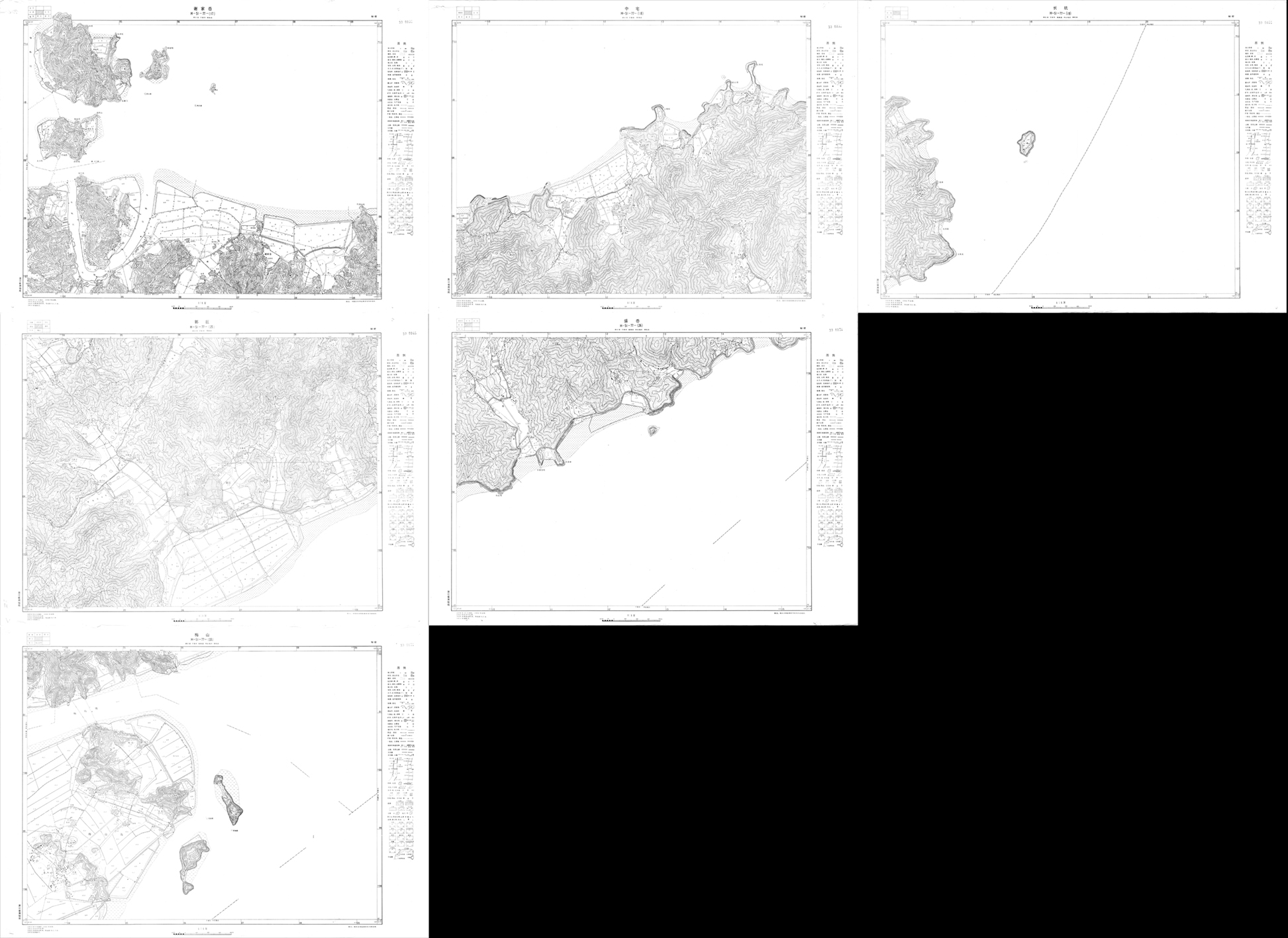
In 1973, a late Song Dynasty shipwreck was discovered on a beach near Quanzhou’s ancient Houzhou Harbour. After a year of excavation and multiple years of studies and examination, the research team unearthed a trail of historical objects that provided deep insight into ancient Quanzhou’s navigational systems and trade routes. The late Song Dynasty shipwreck has been heralded as one of the oldest large wooden sailboat shipwrecks found in China. Not only do the remains of the wreck highlight ancient China’s shipbuilding skills and techniques, the objects within the wreck serve as direct proof of Quanzhou’s importance in international trade and the prosperity of Quanzhou’s once booming manufacturing industry. But while the shipwreck served to reinforce many of history’s known aspects, it also unearthed many unknowns.

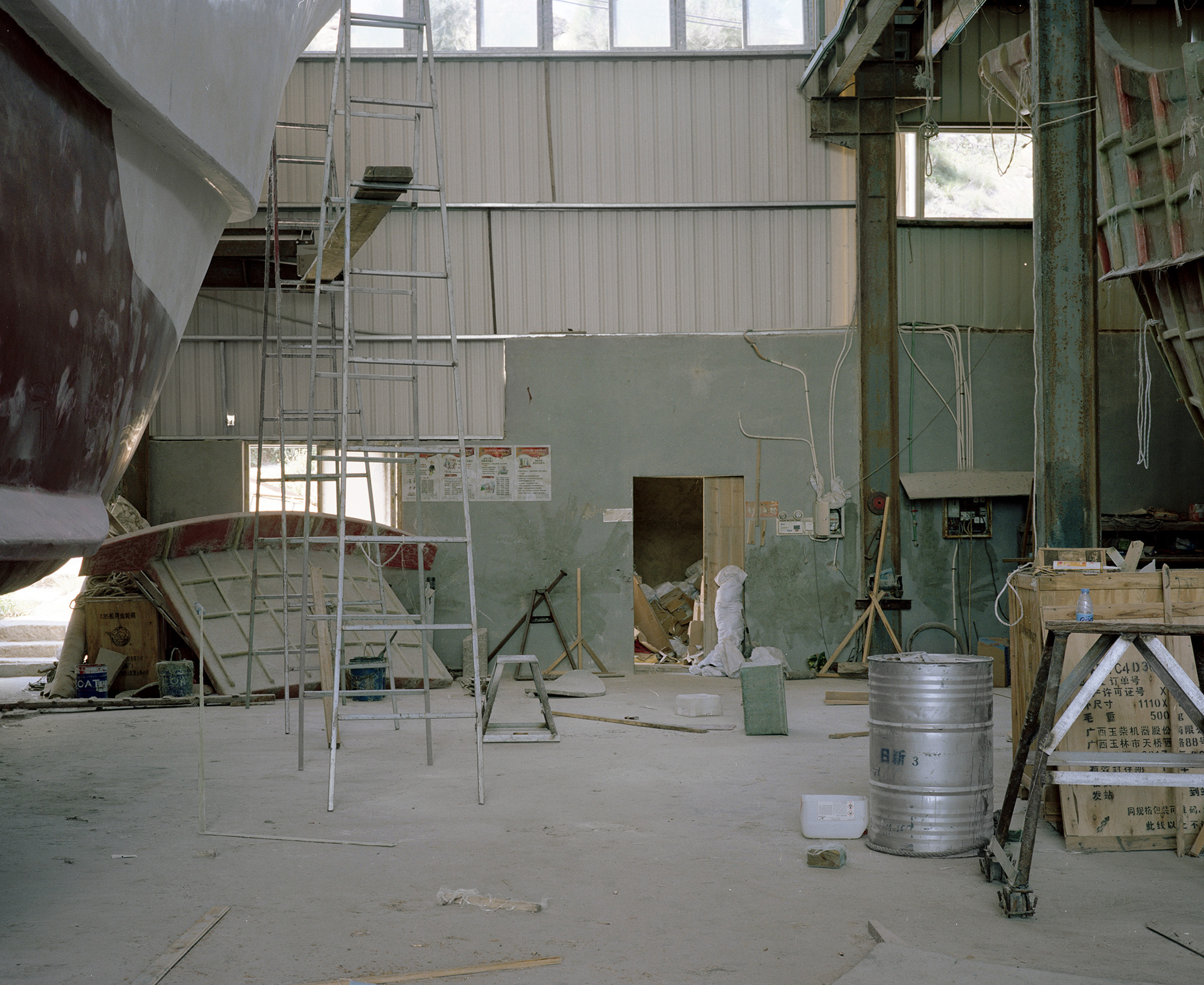
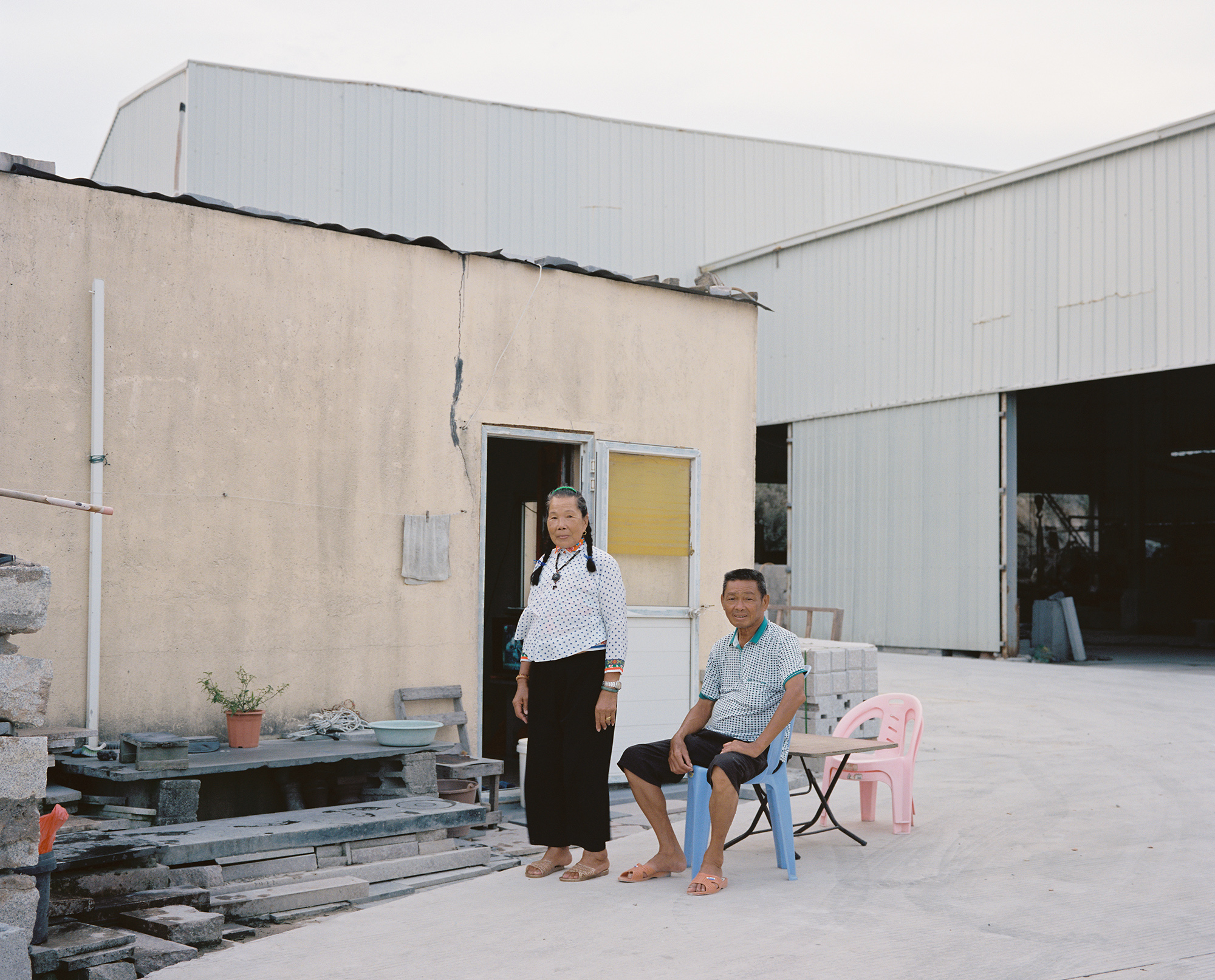
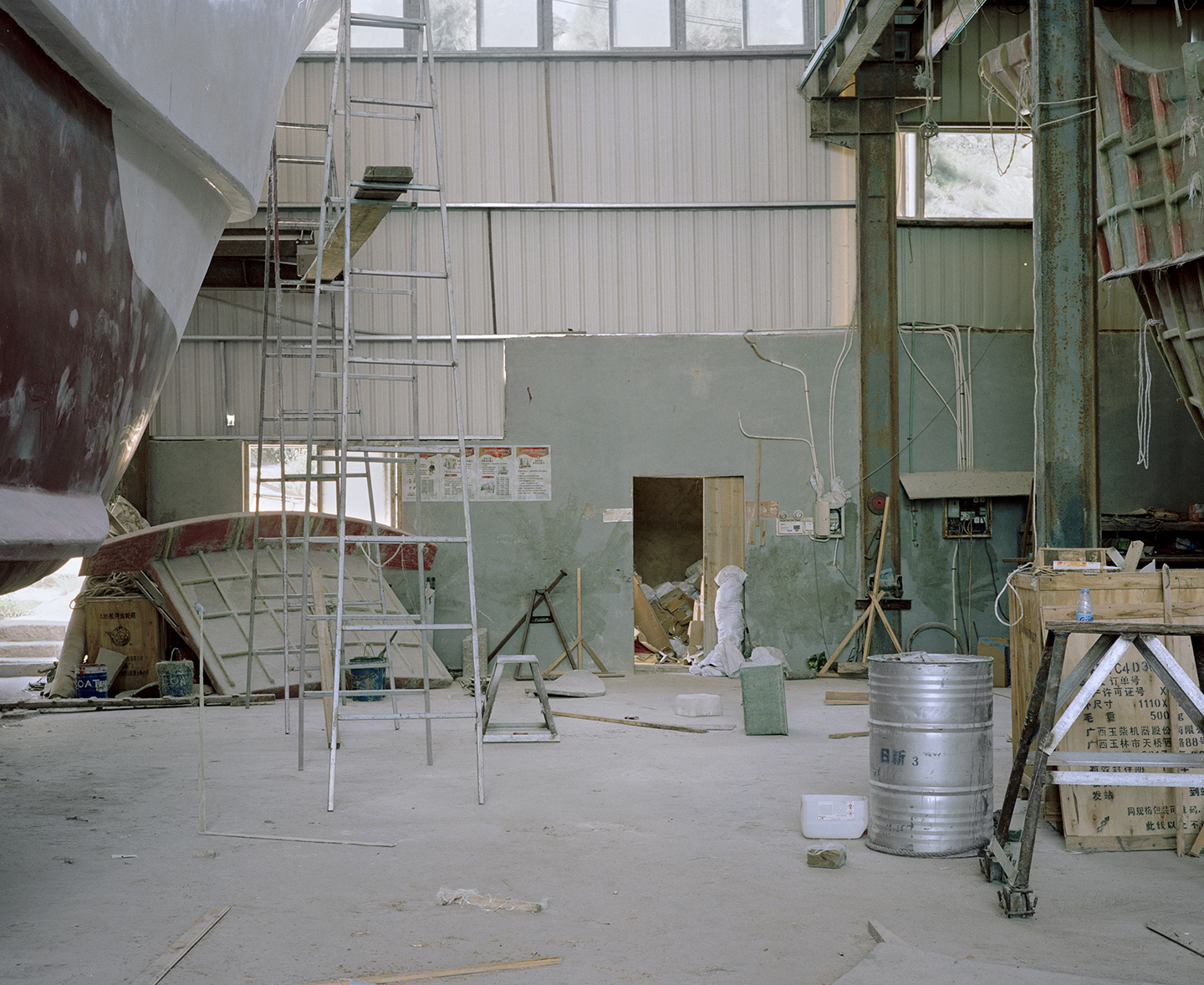
Rather than shooting the excavation site, Zhu chose to photograph the long-finished excavation process. With the help of an archaeological diary in a local museum’s archives, she meticulously rediscovered sites that archaeologists visited when they salvaged and verified the shipwreck’s artefacts, sites that attest to the booming local manufacturing industry.

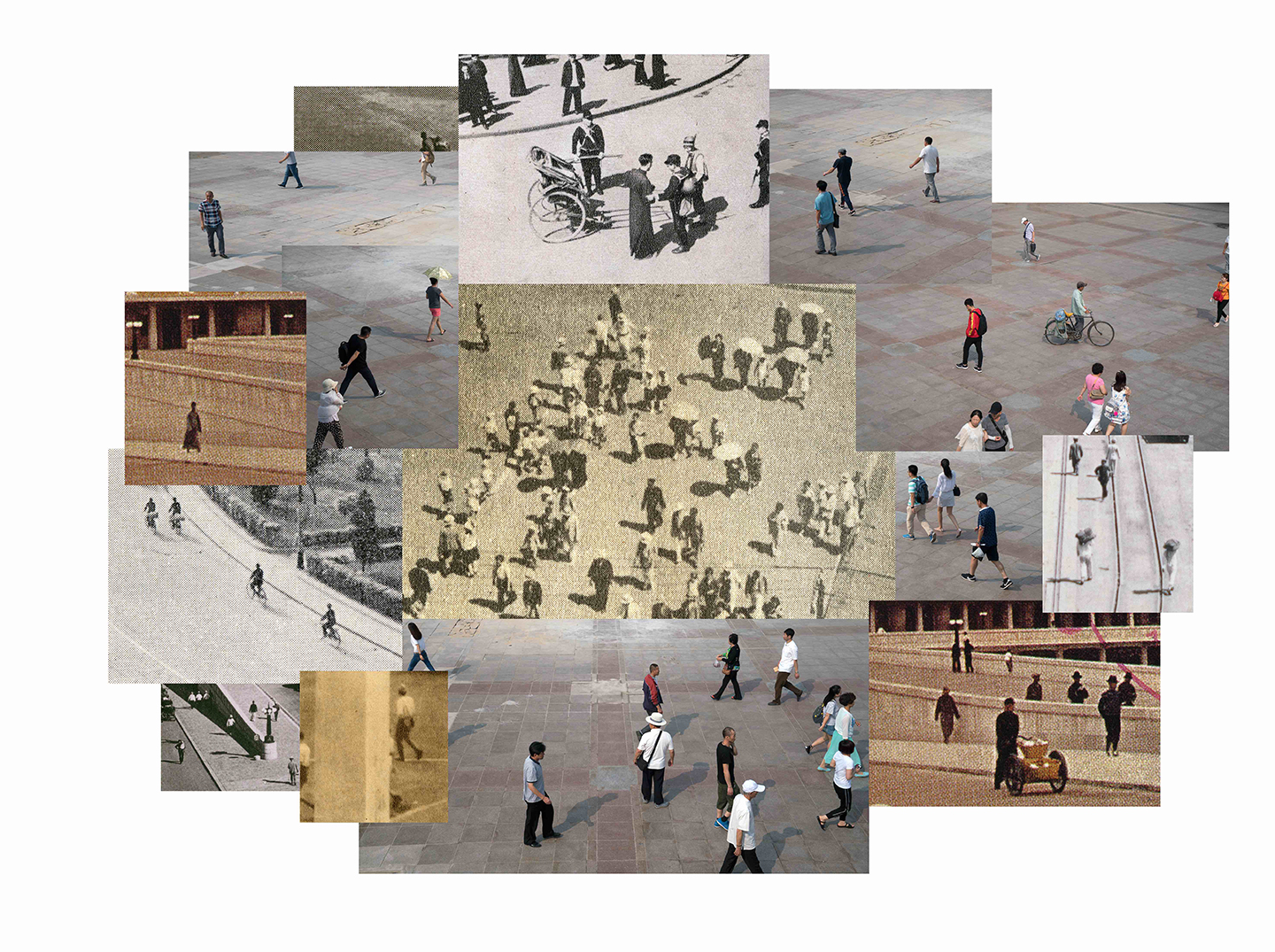
Forty years after the excavation, Zhu imagined herself to be a member of the excavation team, visiting and shooting locations identified in the diary. At the same time, she borrowed from the archaeological diary’s archival materials to supplement her own photos. Placing the “two excavations” side by side, Zhu attempts to present a local landscape full of contrasts in which history coexists with modernity and agriculture with modern industry.

The coexistence of past and present continues to entrench itself in Zhu’s photographic work as she revisits these buildings and locations in her explorations of intersecting histories. Yet in her complicated narratives, the journey of exploration isn’t as easy as it looks.

Note about the artist

Zhu Lanqing, born in Dongshan Island, Zhangzhou, Fujian Province in 1991, currently lives and works in Xiamen. She graduated from the Department of Photojournalism at Renmin University of China and then moved to Taiwan to study at the Institute of Applied Arts in Fu Jen Catholic University. Her work, mostly related to home and places, has been published in many magazines and shown at several international art festivals. She is interested in the possibilities of the presentation of photography, especially handmade books. Her first book was listed as one of Photoeye’s Best Books of 2012. Her second book, A Journey in Reverse Direction, won the Three Shadows Photography Award 2014 and Jimei × Arles Discovery Award 2015. She also won the Barcelona International Photography Award 2015 and Photo Boite 30 UNDER 30 2016. She had an artist’s residency in Switzerland for three months that was supported by FDDM in 2016.
“404” City: Journey to the End of the Atom

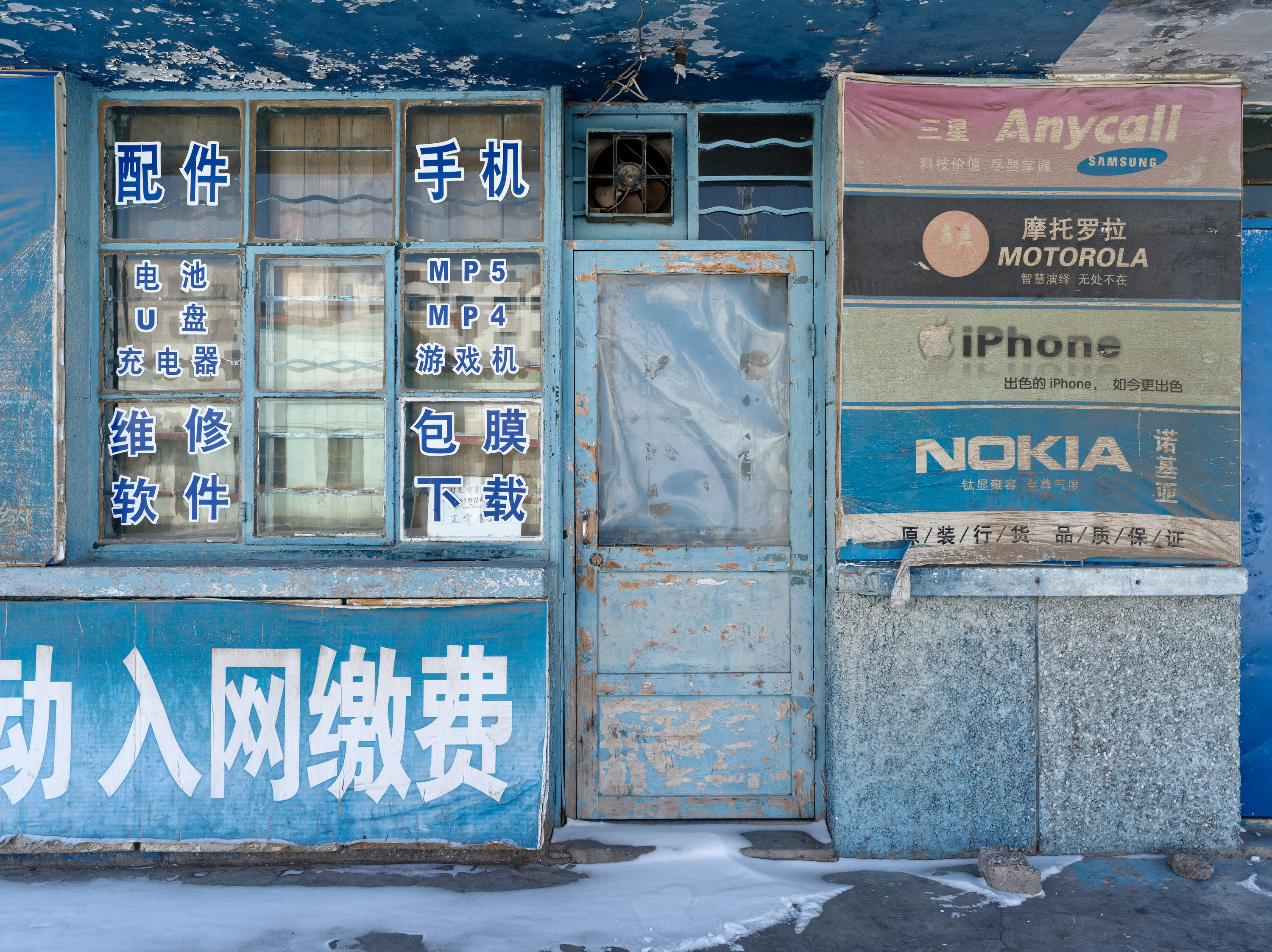
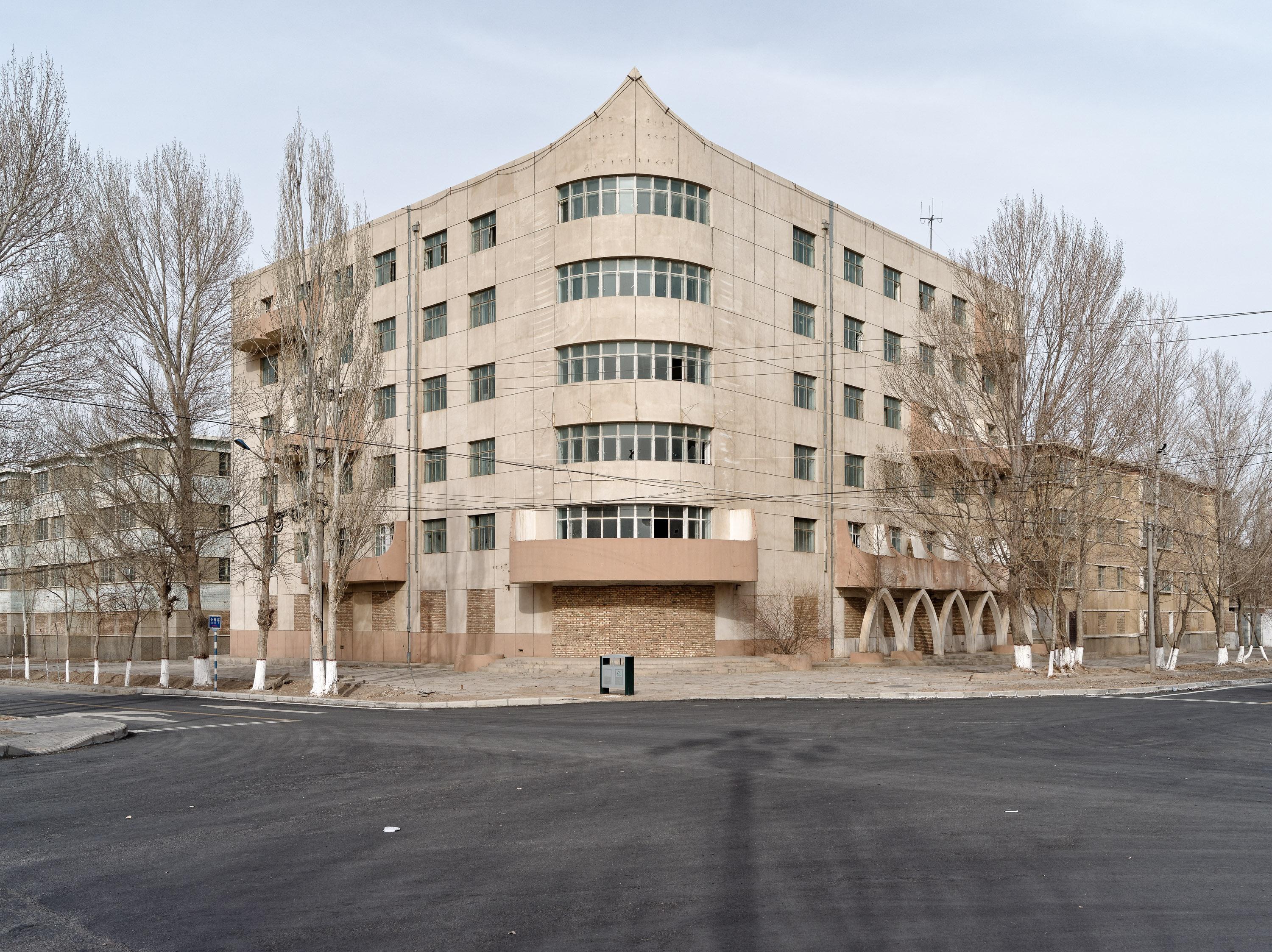
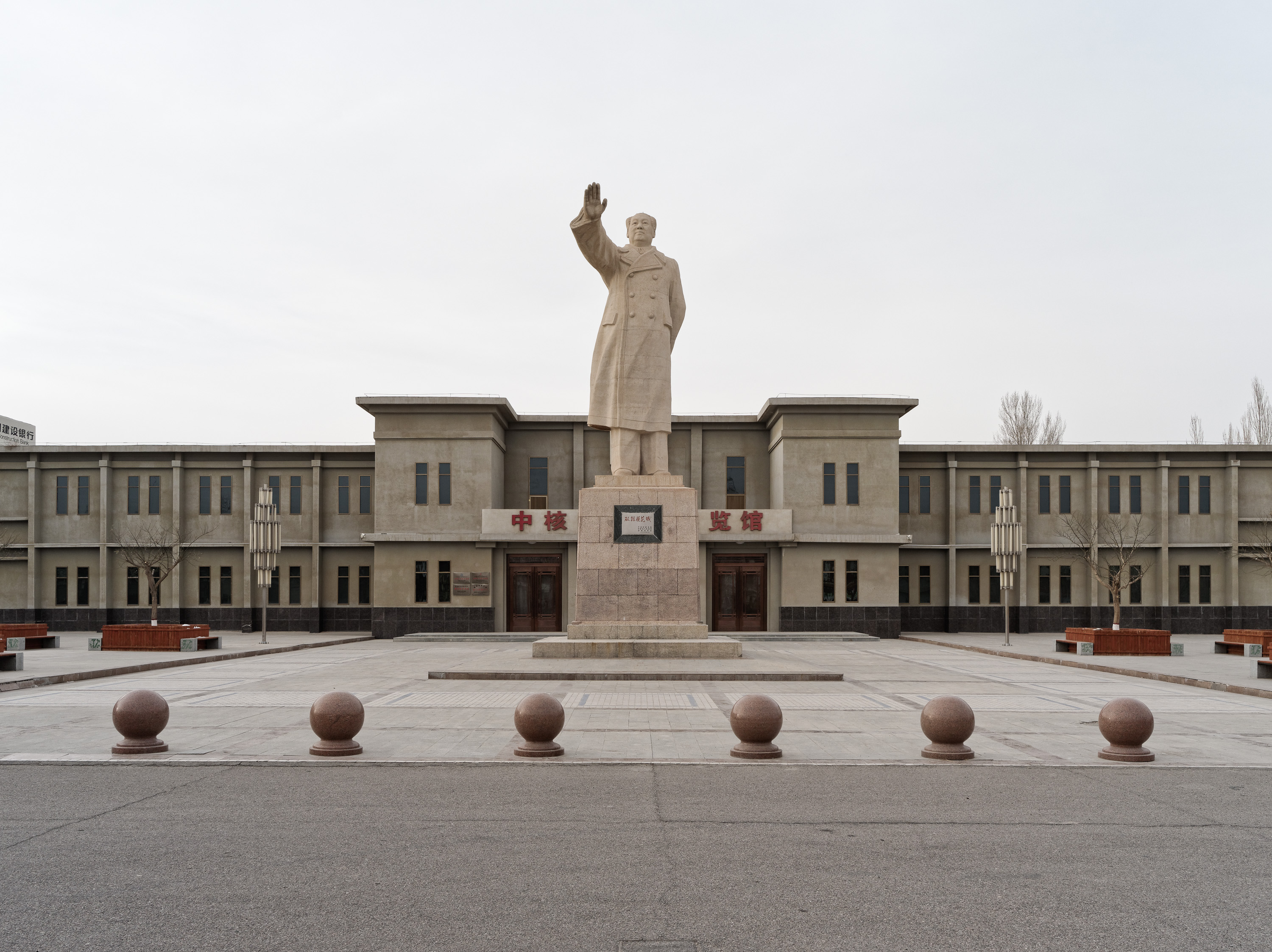
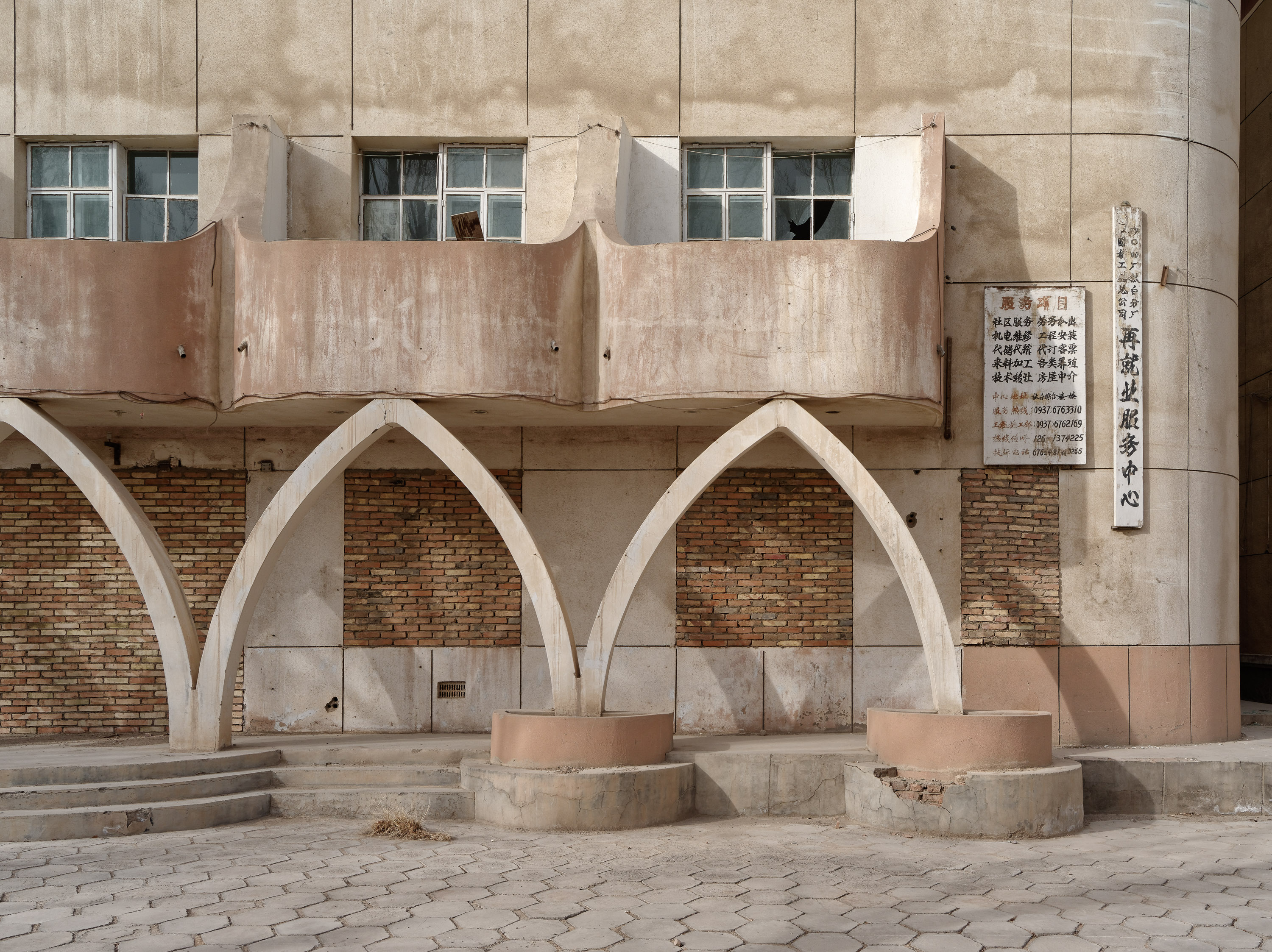
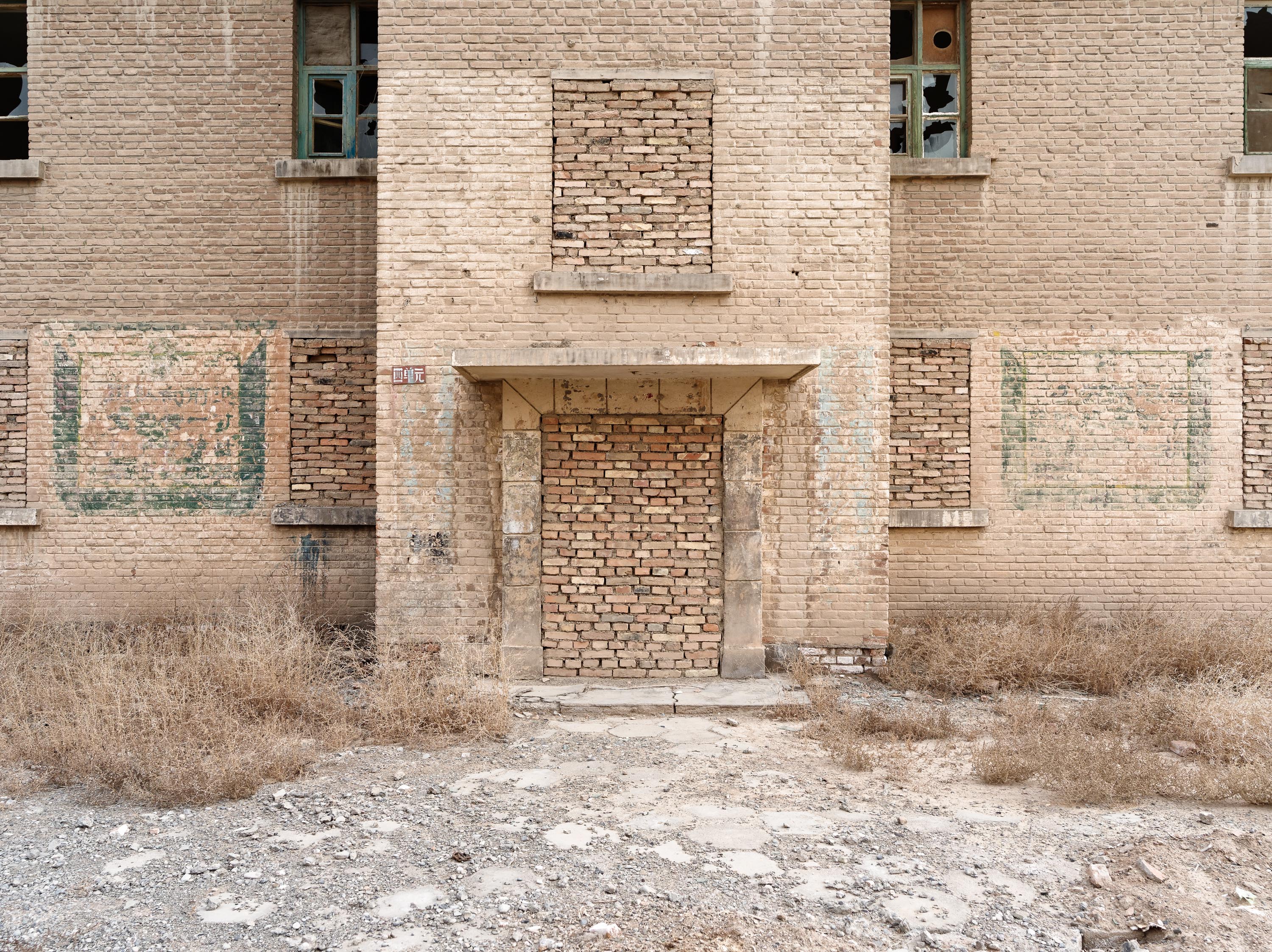
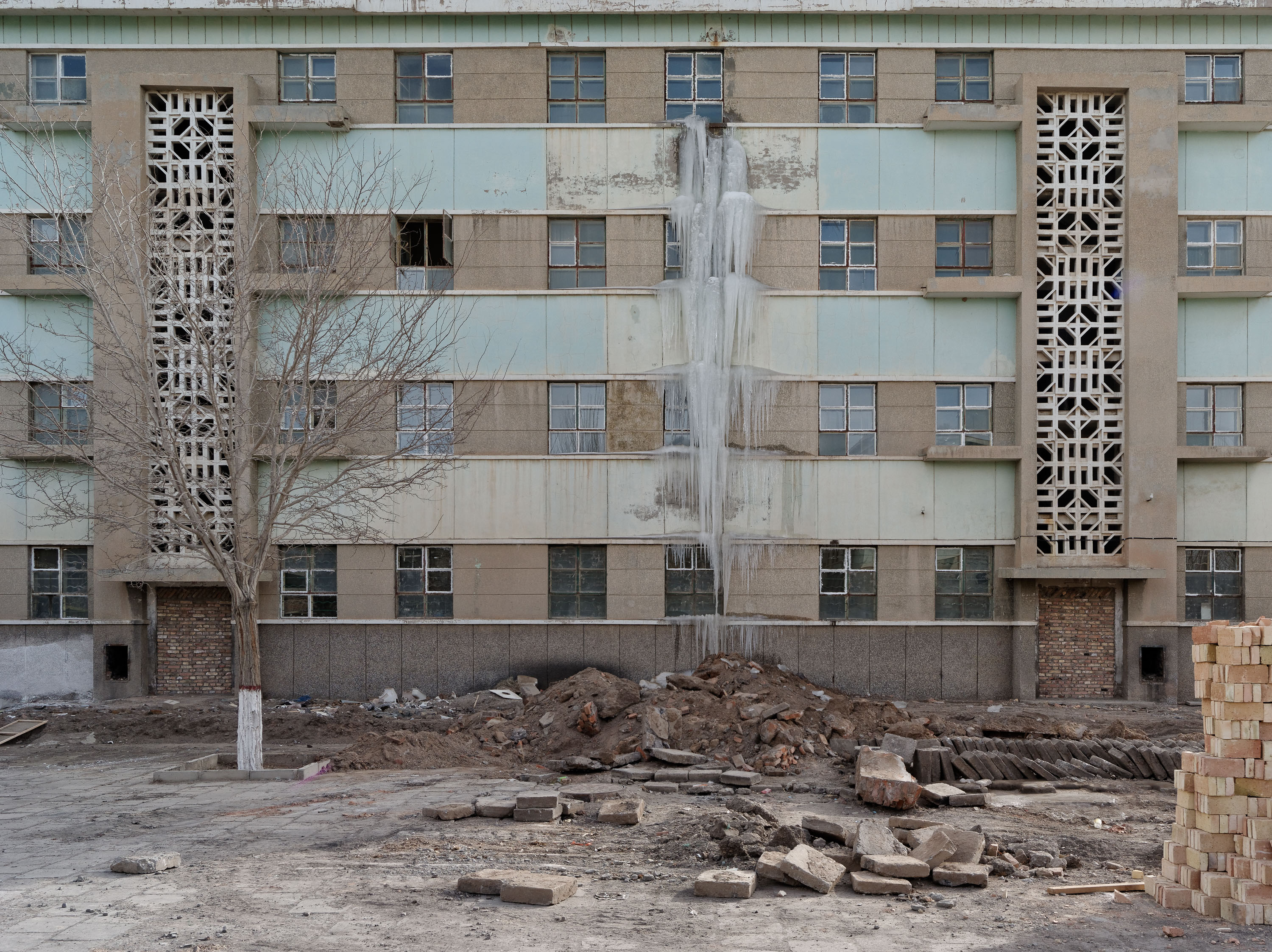
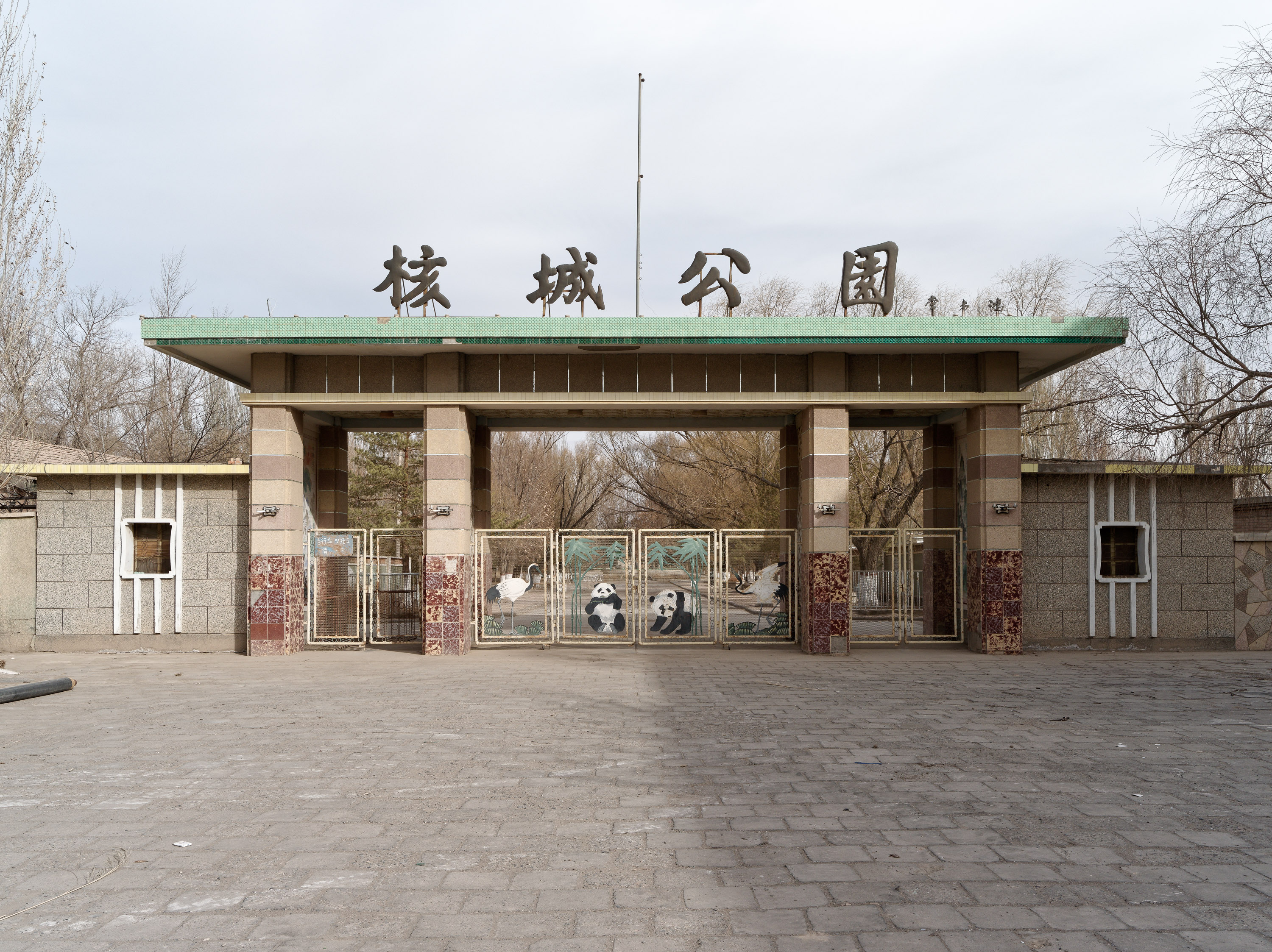
These photos were taken for a city in China called “404”. 404 is just a code given to the city which has no another name, and it was and still is not marked on the map of China. This 404 city was built in the 1950s in China. During its days, there were about 50,000 people living there, but the size of which was no larger than 1 square kilometers.

404 was the earliest and the largest nuclear technology research base supporting the nuclear bomb projects in China. The establishment of 404 had made irreplaceable historical contributions to raising the international status of China in the world after the first explosions of the atomic and hydrogen bombs in China in 1964 and 1967 respectively.

Although small, 404 had all the governmental departments just like any other cities in China at the time—bureaus of public security, land, public education and intermediate people’s court, etc., all of these were built and run within such a small residential area of about 1 square kilometers.

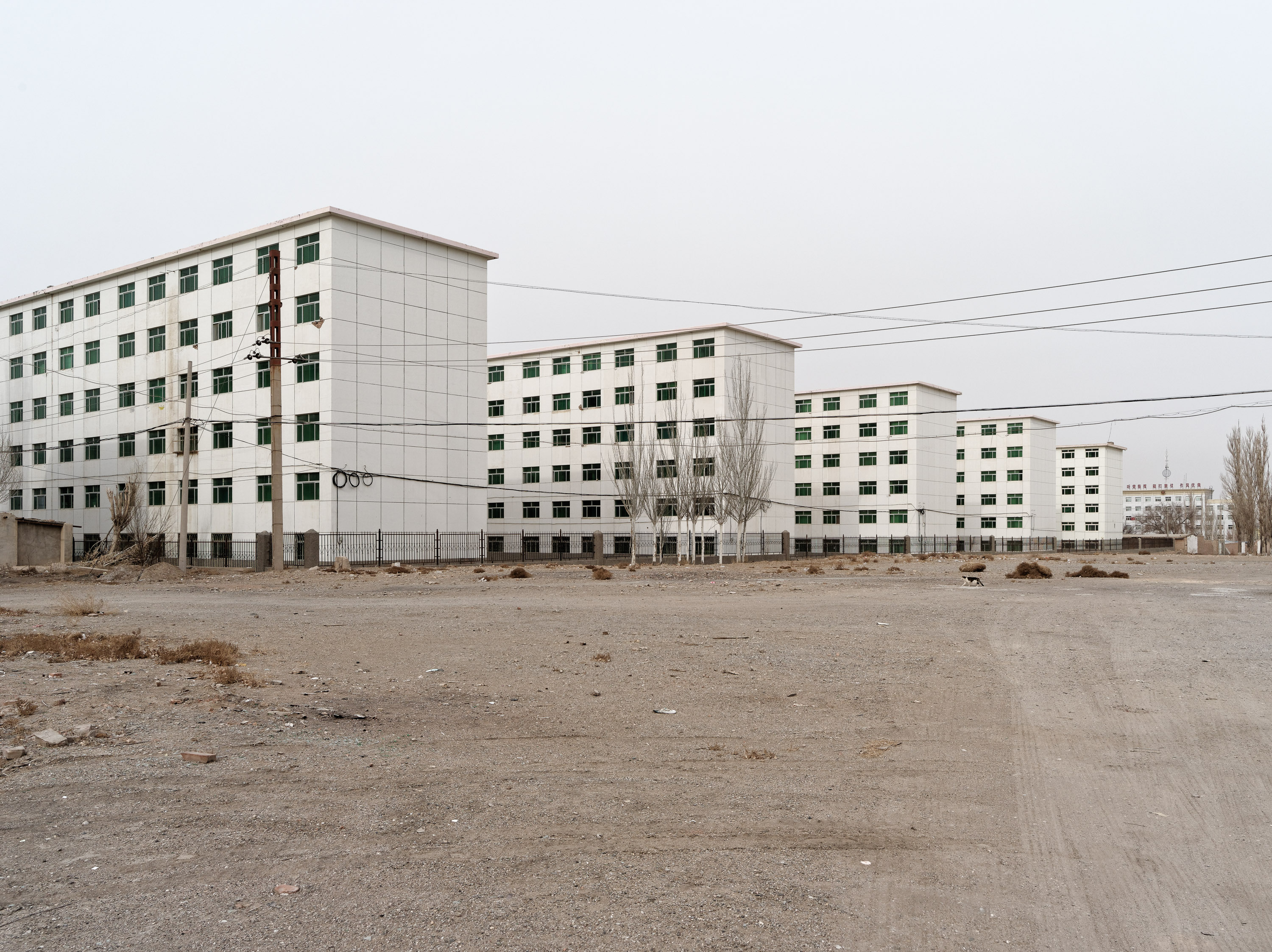
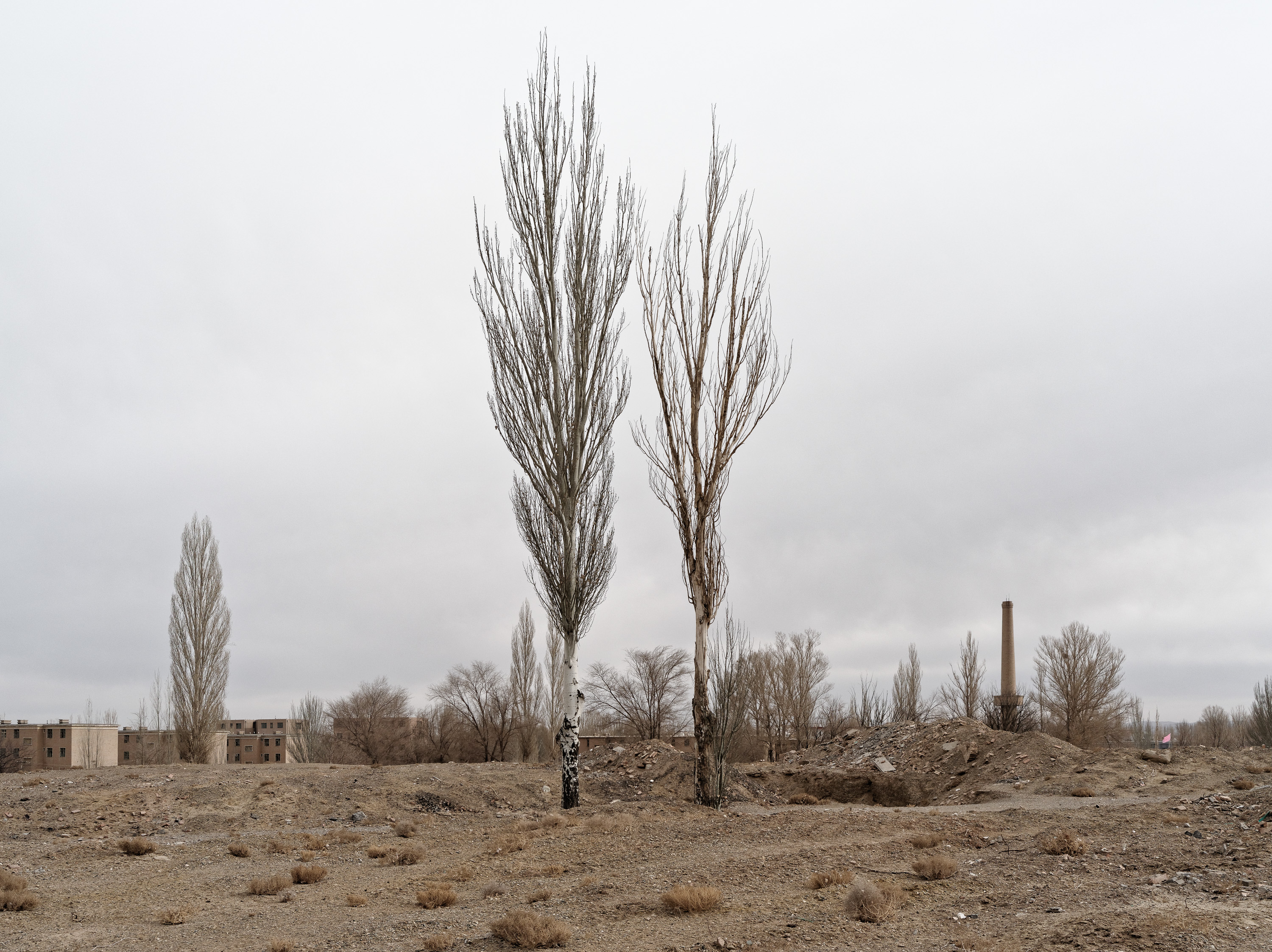
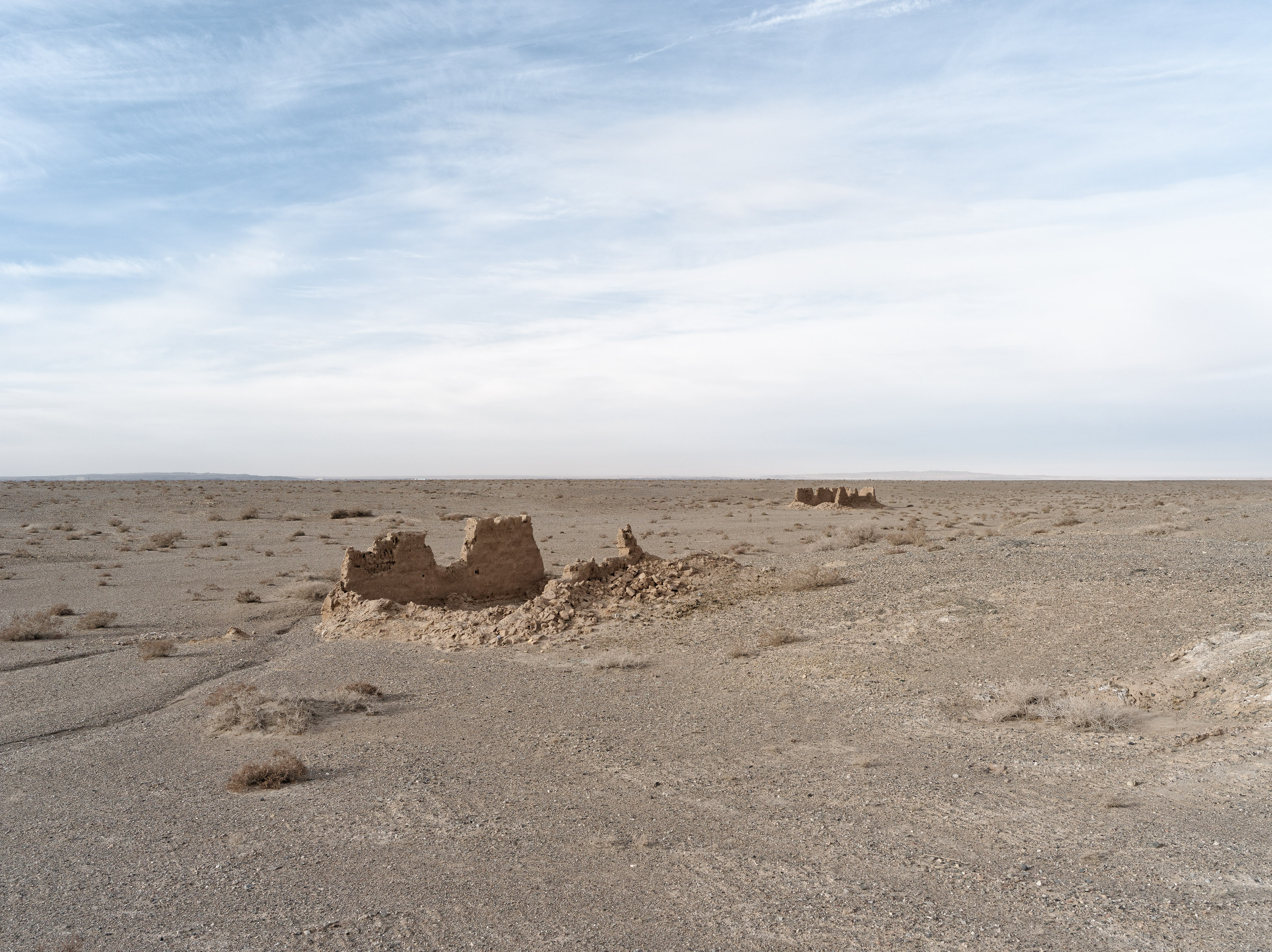
404 was an isolated place in the Gobi desert. Apart from the stones, only one type of plant called camel grass could survive naturally in the harsh desert environment, and all the trees in this place were grown through artificial cultivation.

When the city was first built, elites from all walks around the country were selected to move to 404. At that time, the city had gathered the country’s best nuclear scientists, technicians, chefs, teachers, doctors and so forth. They came here, built the city 404 with their bare hands from scratch in the Gobi desert, and they never left ever since. After half a century’s working and living there, these people died and they were also buried there in the end.

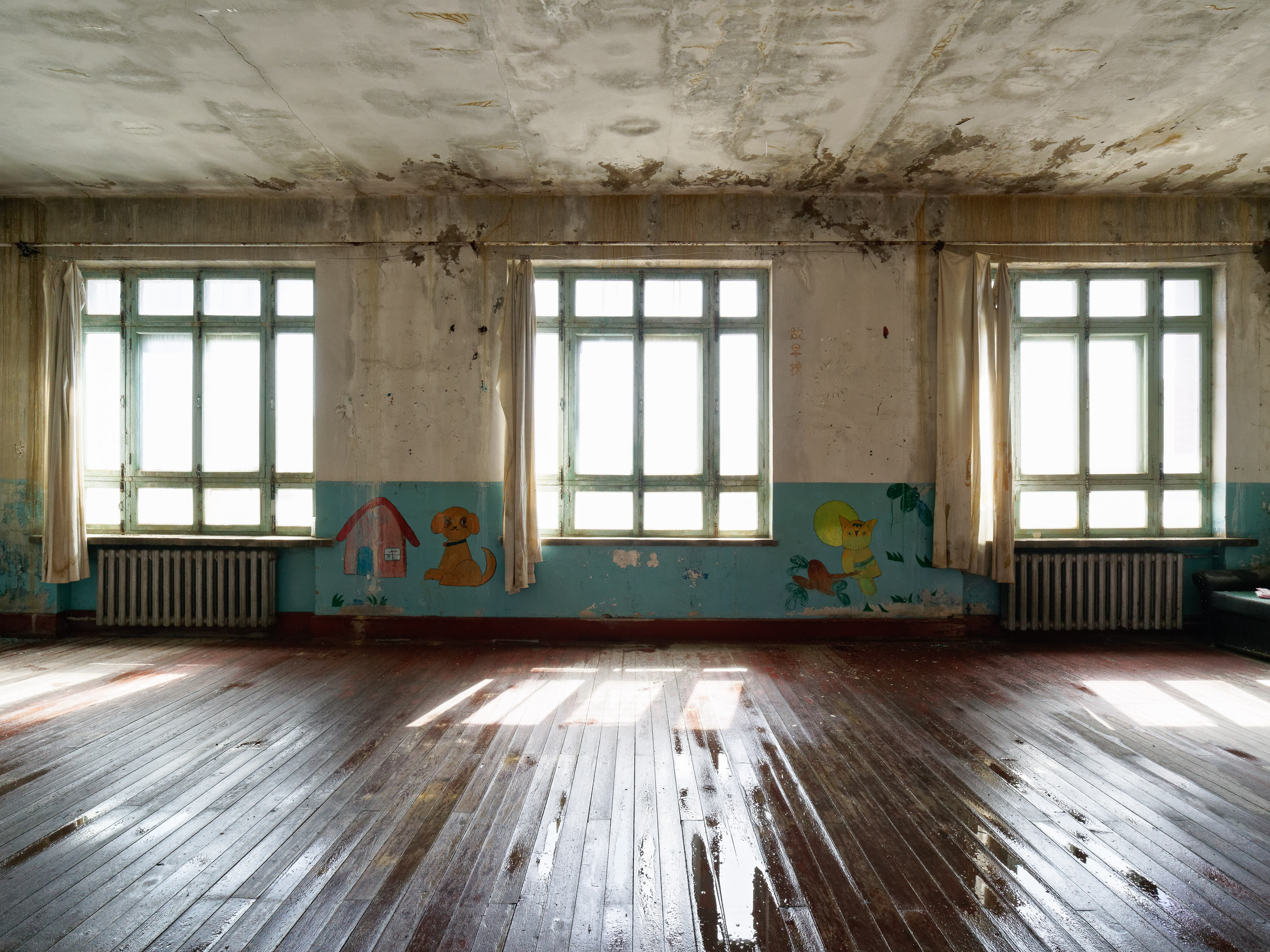
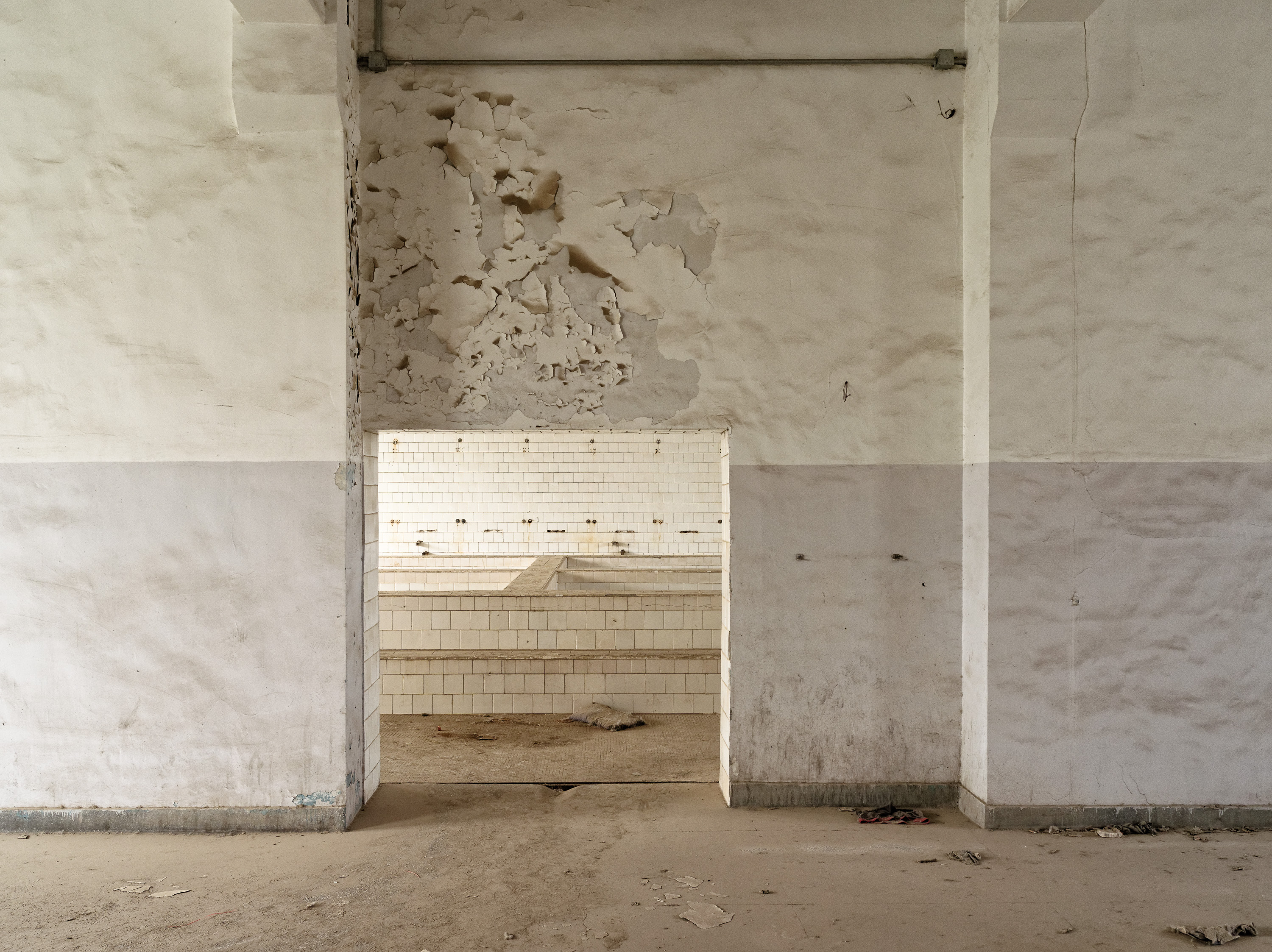
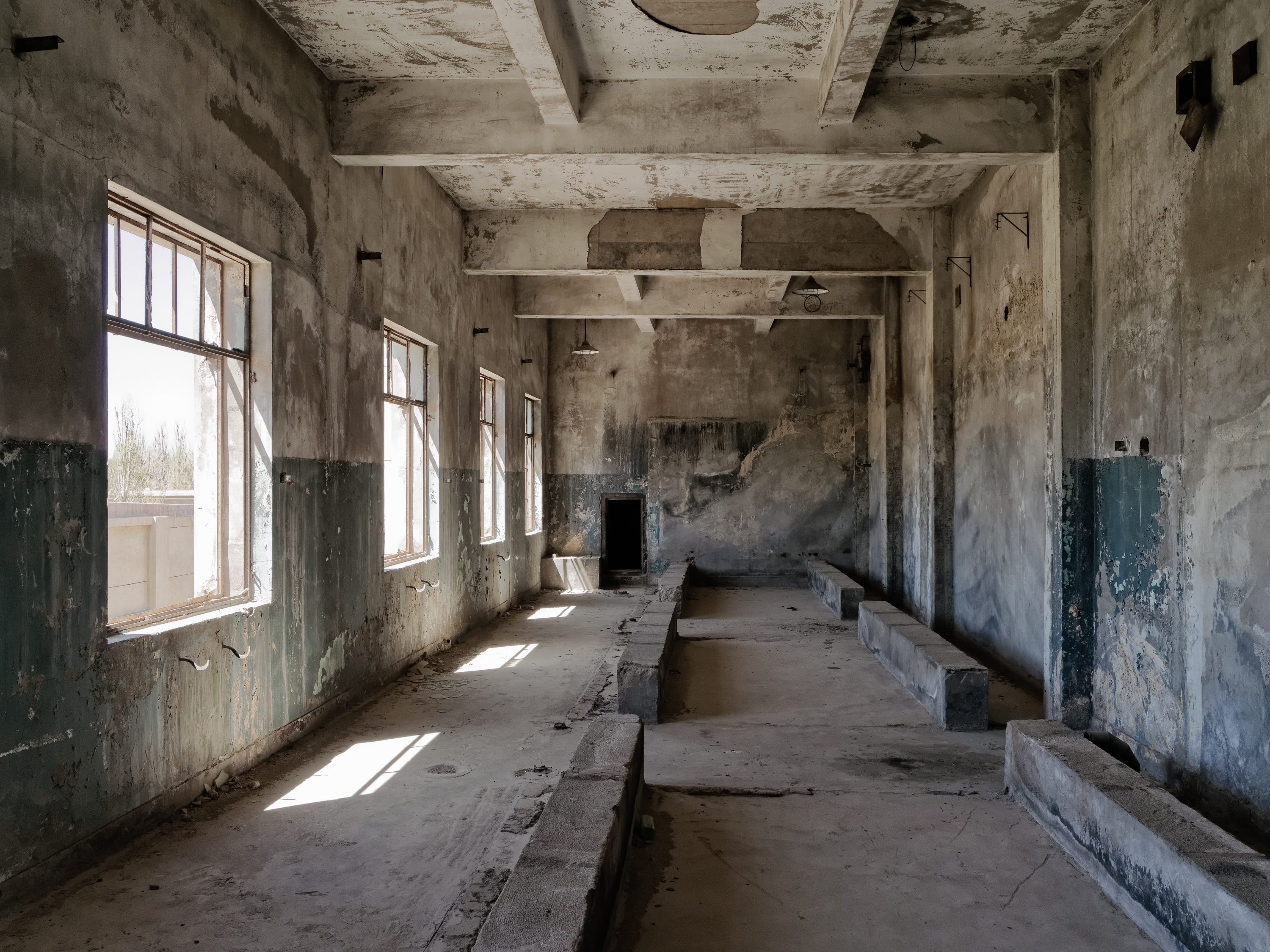
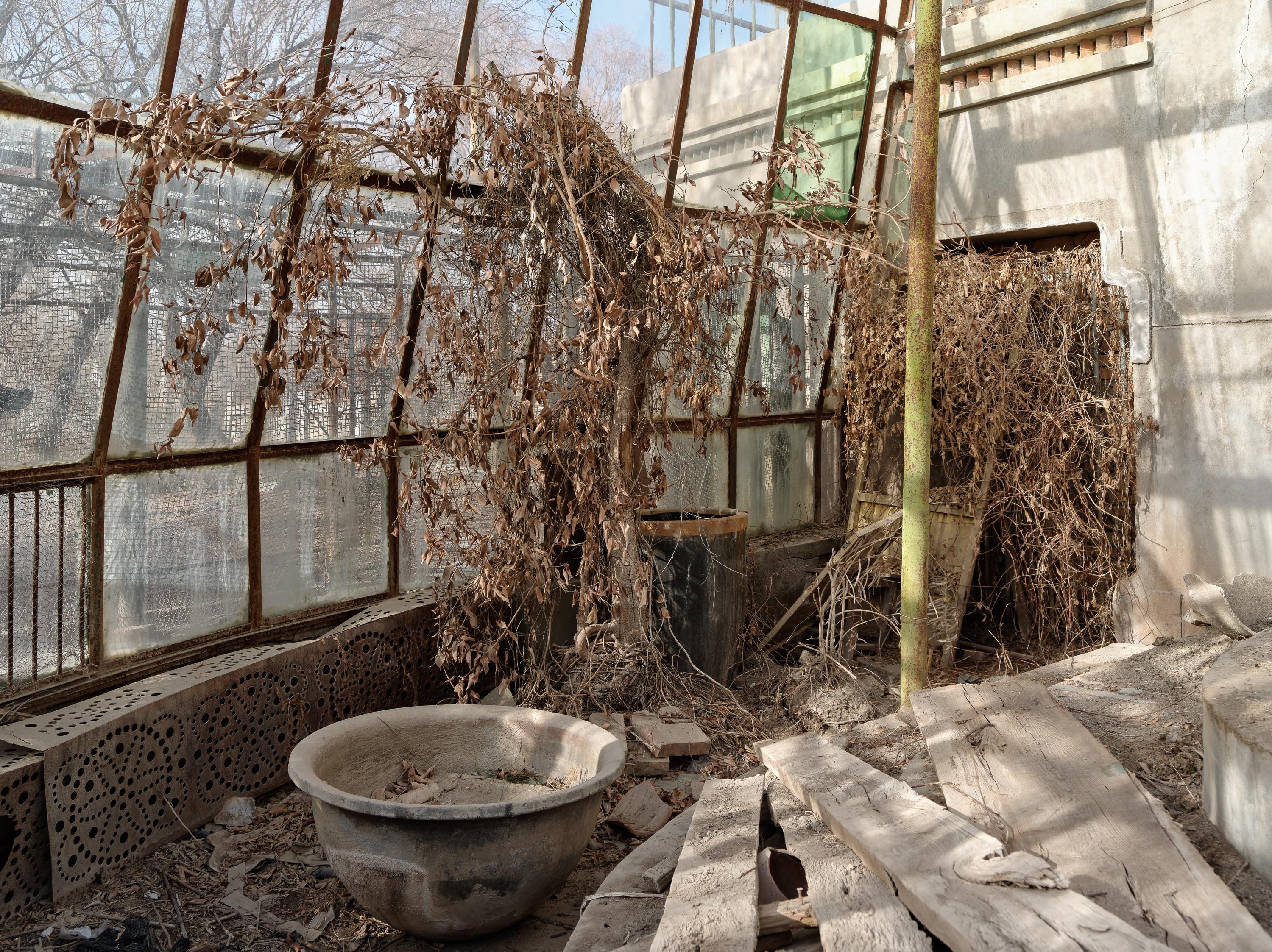
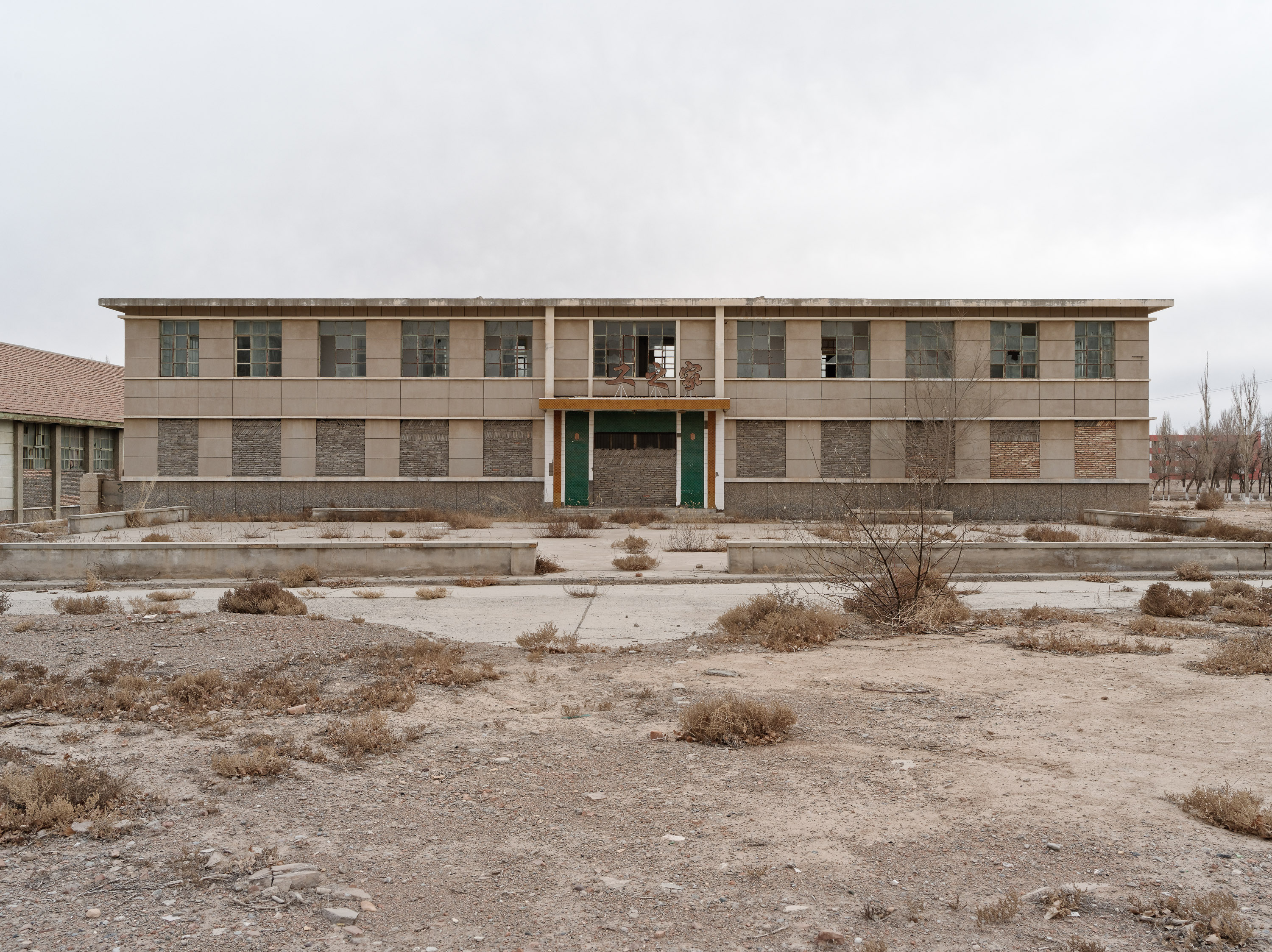
I am a third generation of 404, and every photograph in this series is related to my own experience and those of the people around me. The scenes include my kindergarten, my primary school which was the same school my parents went, the public bath which we used to go weekly and it was also an important social place for the local people, and the two poplar trees that I planted myself, etc. This was once our home, filled with life.

After half a century, people moved away from 404 at the beginning of 2000s, leaving deserted scenes everywhere. When I came back again with my camera and saw those deserted scenes, it struck me as if I was facing an entirely different world, feeling extremely familiar and yet very strange at the same time.

There are still some cities in China similar to 404. Due to historical reasons, the existence of these cities has been kept in strict confidence for a long time with few written or photographic records. As a sign of a special period of time in China, these cities are now gradually disappearing, but the real lives once existed there cannot be forgotten. Completely different from the calm feelings that these photos bring to the people who have seen them are the feedbacks that they gave, that these photos have caused deep resonance and brought back the remote memories from the people who have the similar working and living experience. These isolated cities were once their hometown, which had brought them such happiness, remembrance and loving memories of an era. The process of the creation, development and disappearance of these cities named only with numbers represented a unique period of time that cannot be replicated in human history.

‘The Port and the Image’ – The Port of Ningbo: Fiction and Reality

Zheng Chuan is an architect and photographer. He currently works at the Ningbo Architecture Design Institute. In The History of the Port of Ningbo there is one passage that left a particularly deep impression on him:

“Starting in Hemudu in the Neolithic era [an archaeological site near Ningbo in Zhejiang, dating back to c. 5000 BC] to the modern port of Beilun, Ningbo has more than 7000 years of history… over the course of this history, Ningbo has gone through 5 large-scale transformations, each of which has defined a new era for the city……”

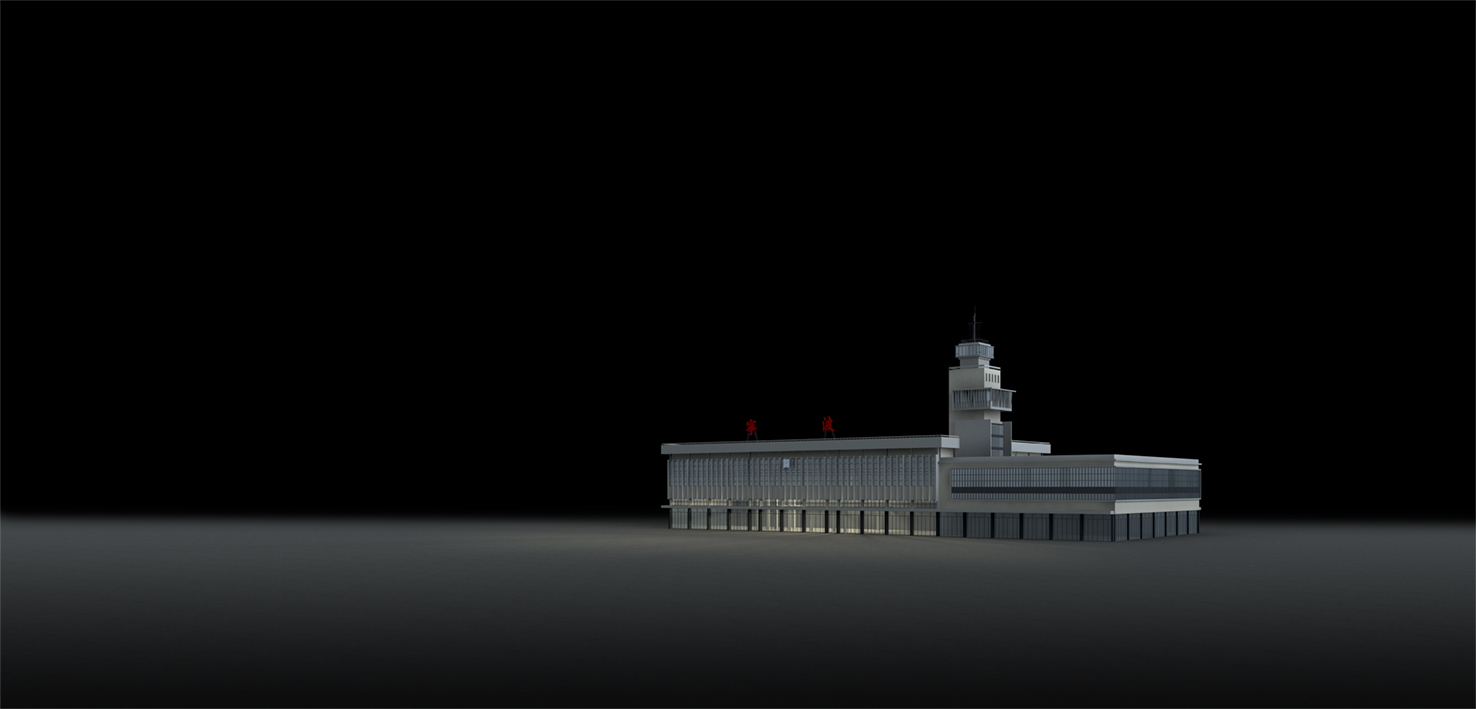
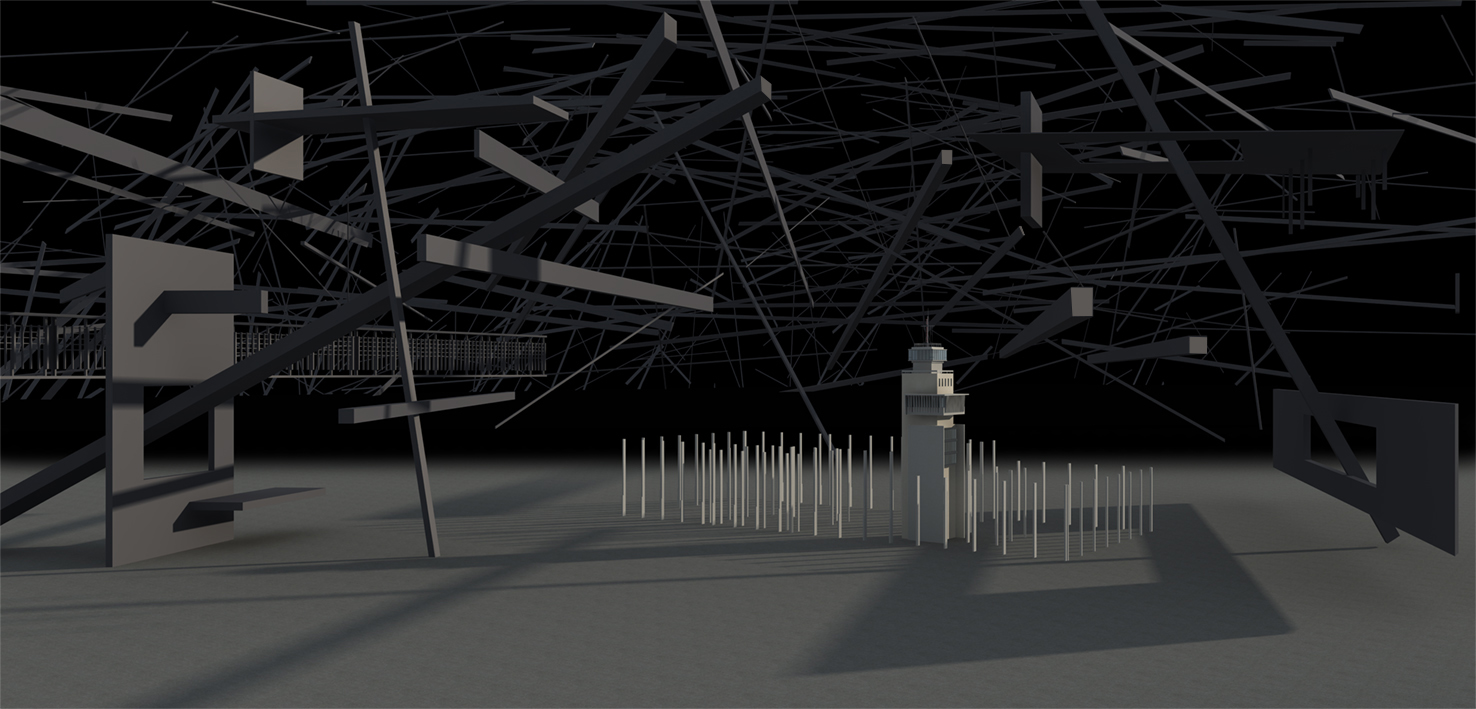
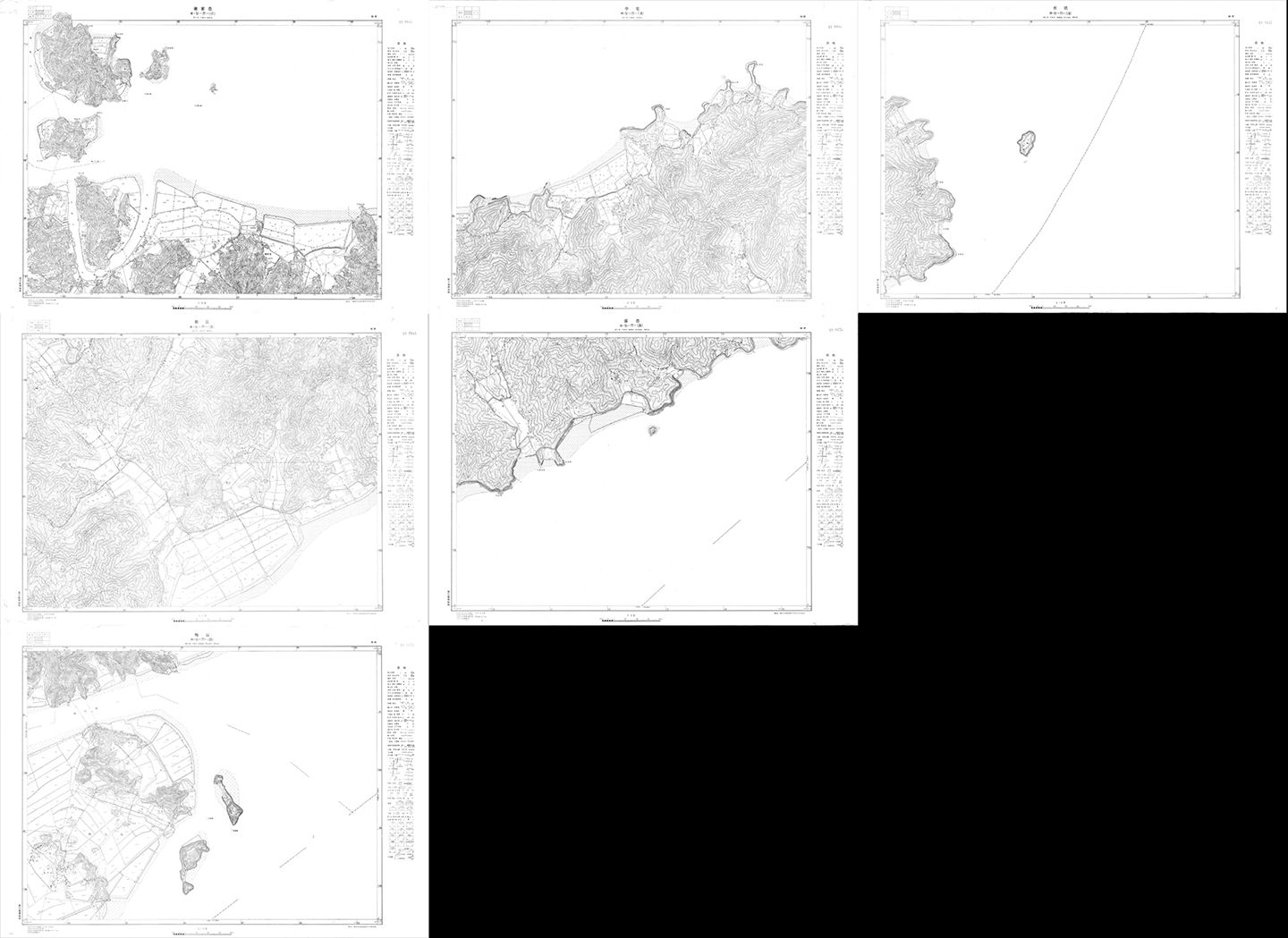
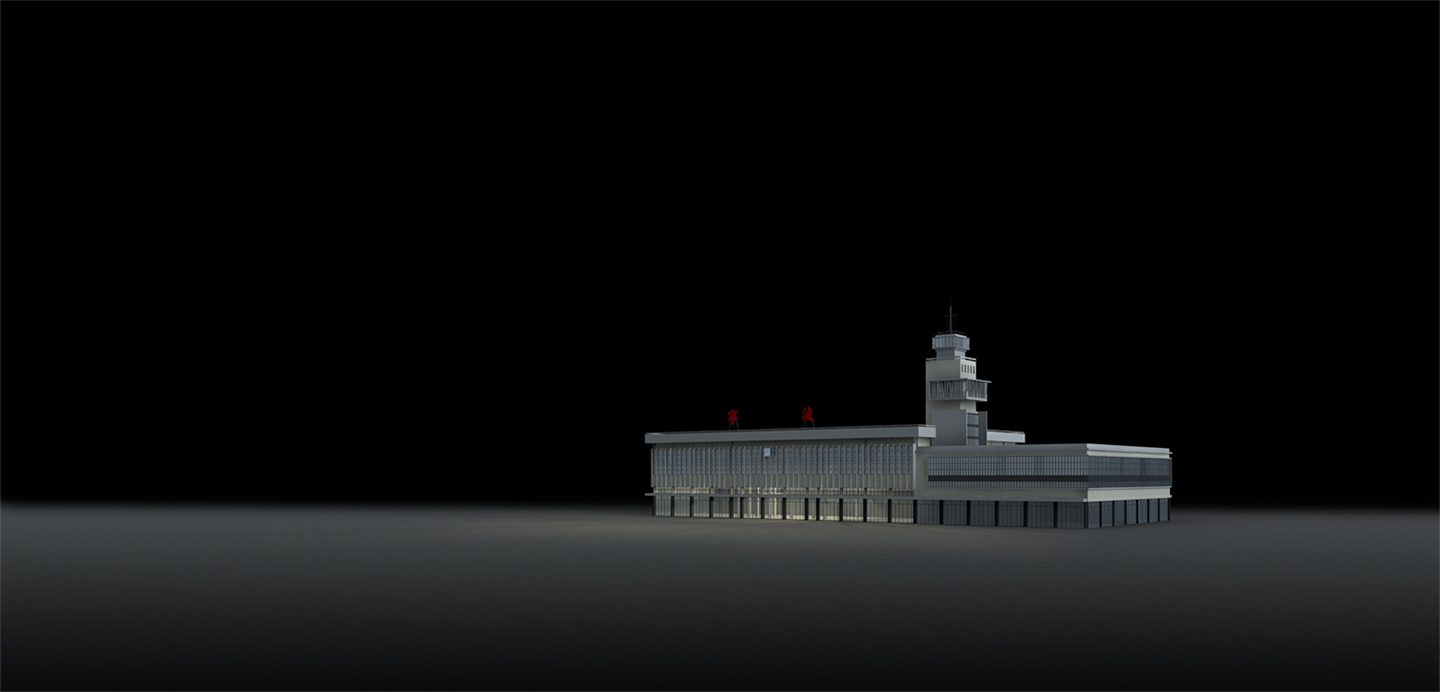
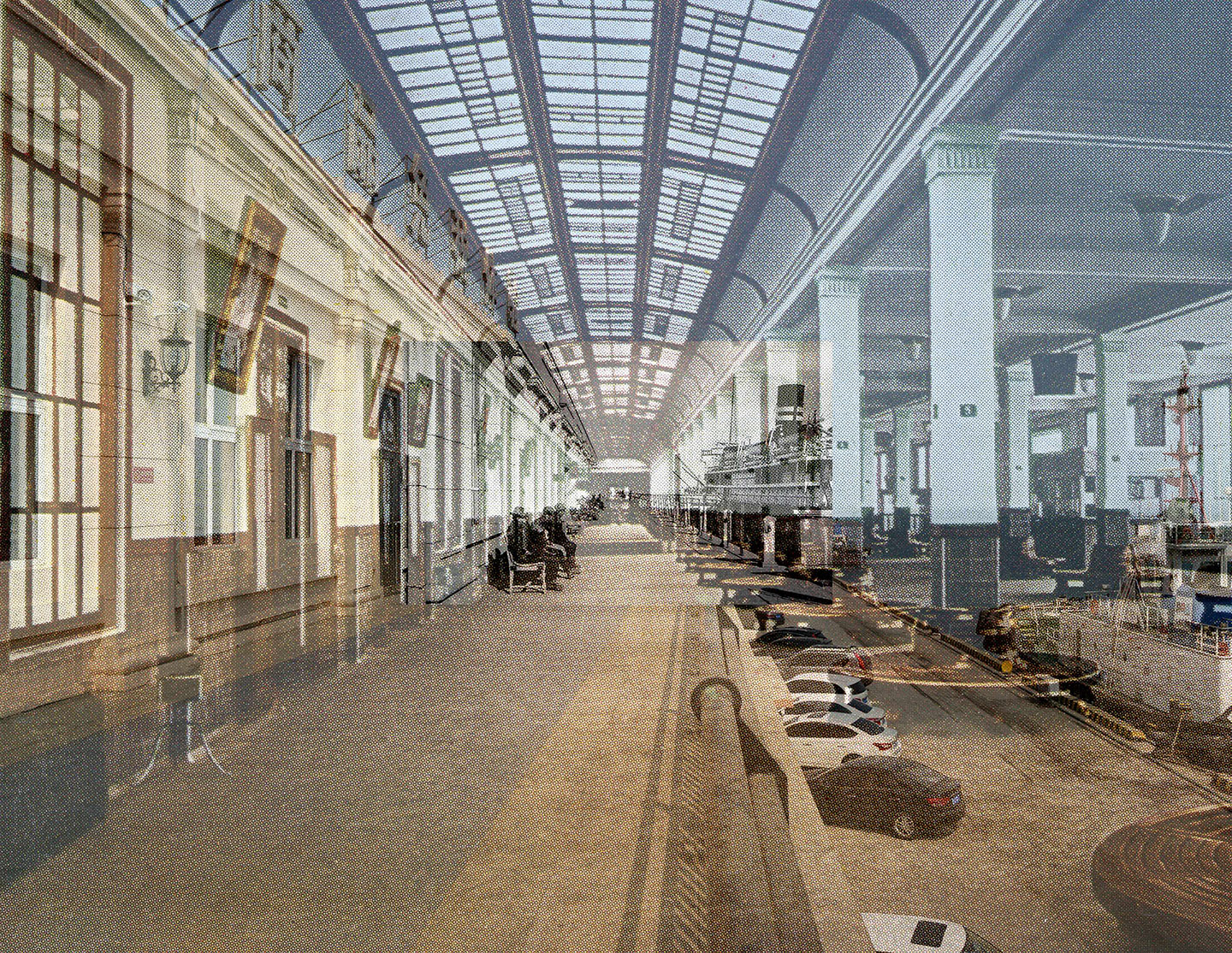
Zheng Chuan’s work ‘The Port of Ningbo: Fiction and Reality’ consists of three parts: the imagined, the reappearing, and the coast. At the centre of Zheng Chuan’s work is a multi-dimensional collage of the Port of Ningbo. It consists of digital simulations of the sea, 3D modeling of the old passenger terminal that brings the building back to life, and on-site photographs of artificial traces by the sea.

To create an image of the sea, Zheng Chuan did not want to rely solely on the lens of his camera. Instead, he wanted to use a technique that combined fiction and reality. Using technology, he sought to create something that is consciously different from a real image of the sea: the horizon would be a piece of cloth, the islands are digitally duplicated, and the ocean spray is pulled together with little pieces of flannel. Not even the water is real, it’s just a digital rendering. And when the piece is on display, the museum itself will serve as a stage, it too becoming a character in the scene.

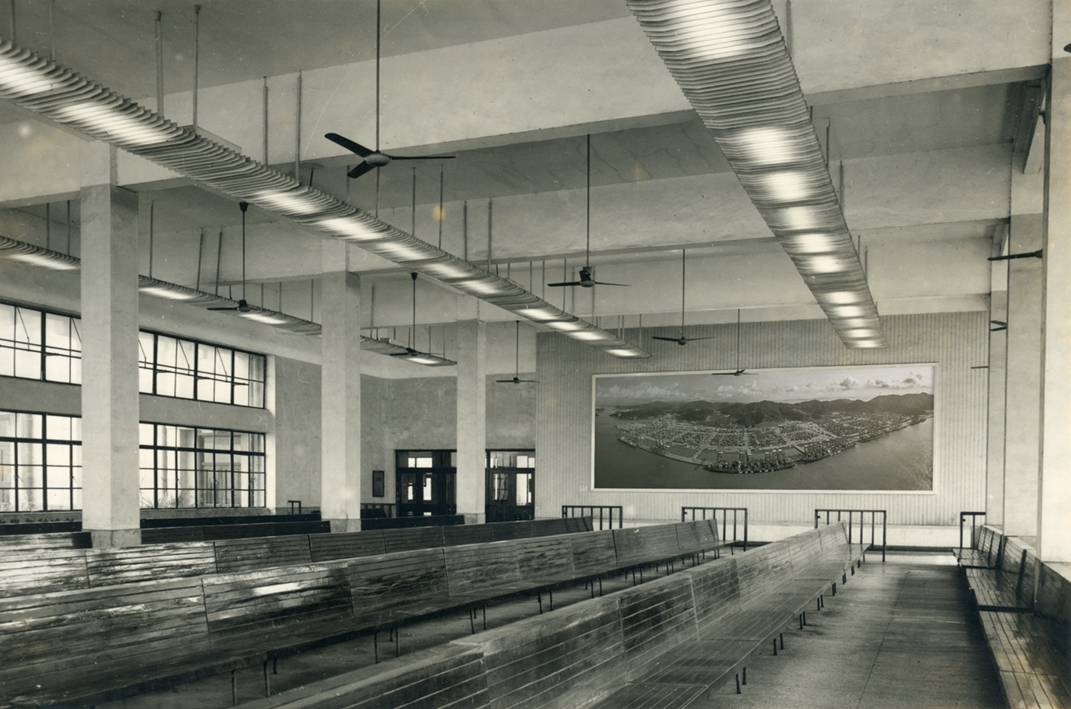
The artist’s 3D modeling of the old passenger terminal brings the audience back to the time when overnight cruise ships still travelled between Ningbo and Shanghai. Passenger traffic hit its peak in the 1990s, when more than 10 ferries would set off in both directions each day. At its height, more than 930,000 passengers travelled on these ferries in a single year. However, as train travel got faster and expressways were built, the ferries–which were slower and at the mercy of the weather–began to get fewer and fewer passengers. On June 24th, 2001, ferry services were terminated, and in 2006 the site was turned into an art museum.

For this work, Zheng Chuan sought to recreate the original ferry dock. Through drawings of the original design and 3D models, he digitally recreated what life was like by the port when it was still in use. Through old photographs of the interior and drawing inspiration from a large mural depicting the dock’s future in the waiting room, he re-created a surreal new scene that exists in its own space and time.

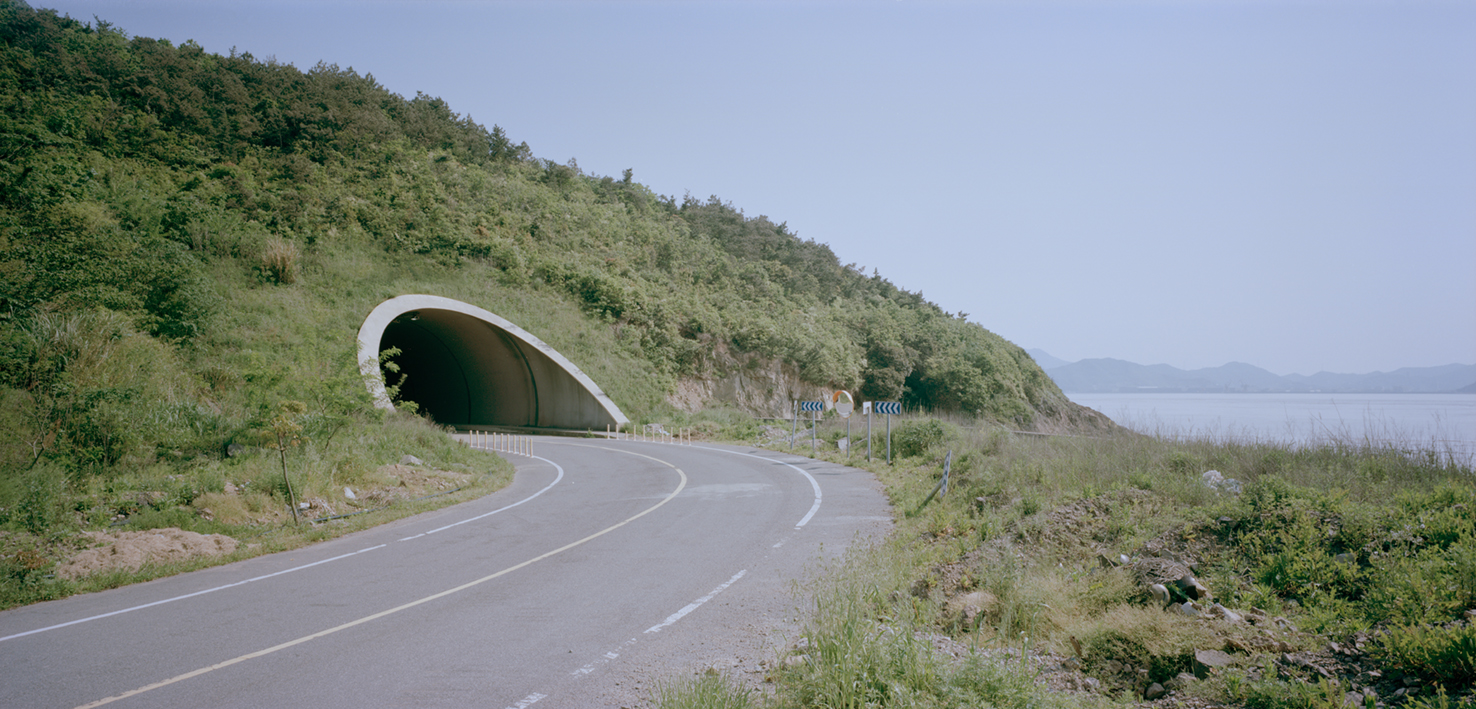
The last part of the project is a collection of photographs that reflect the current landscape of Ningbo.

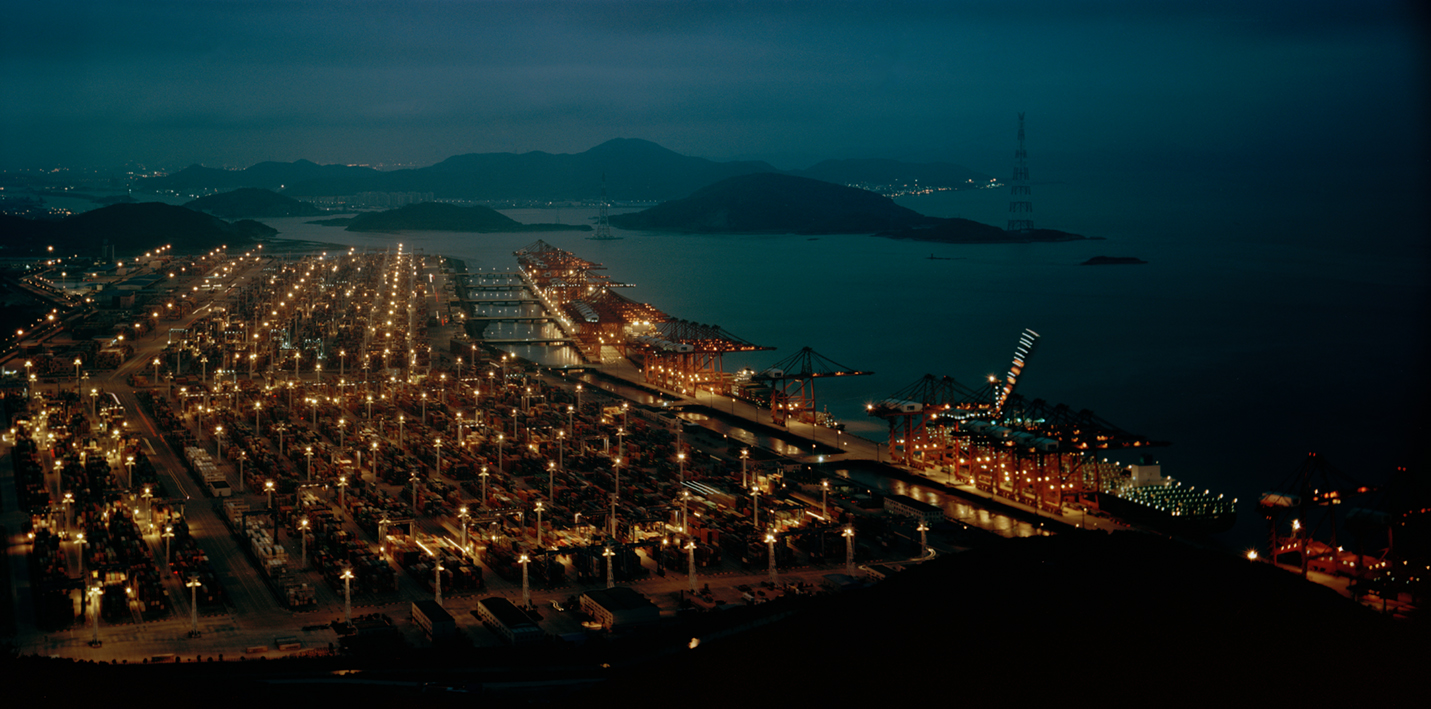
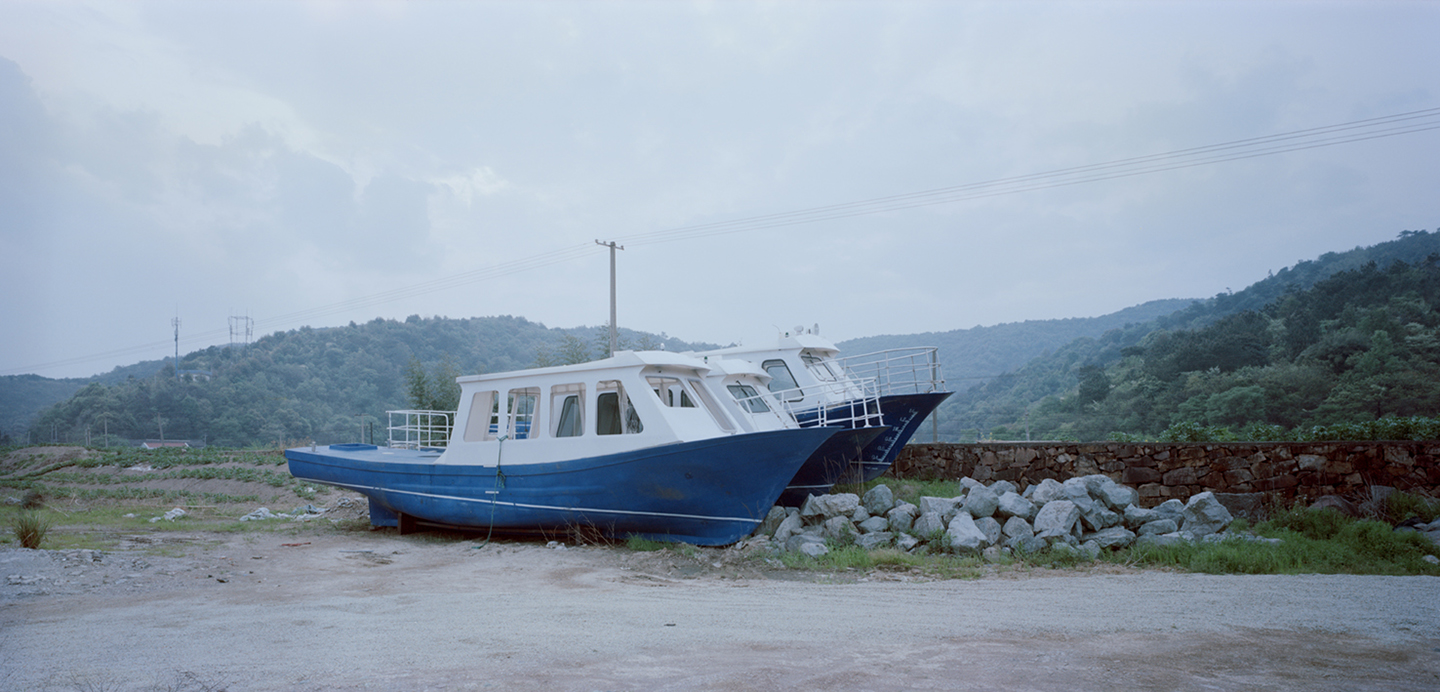
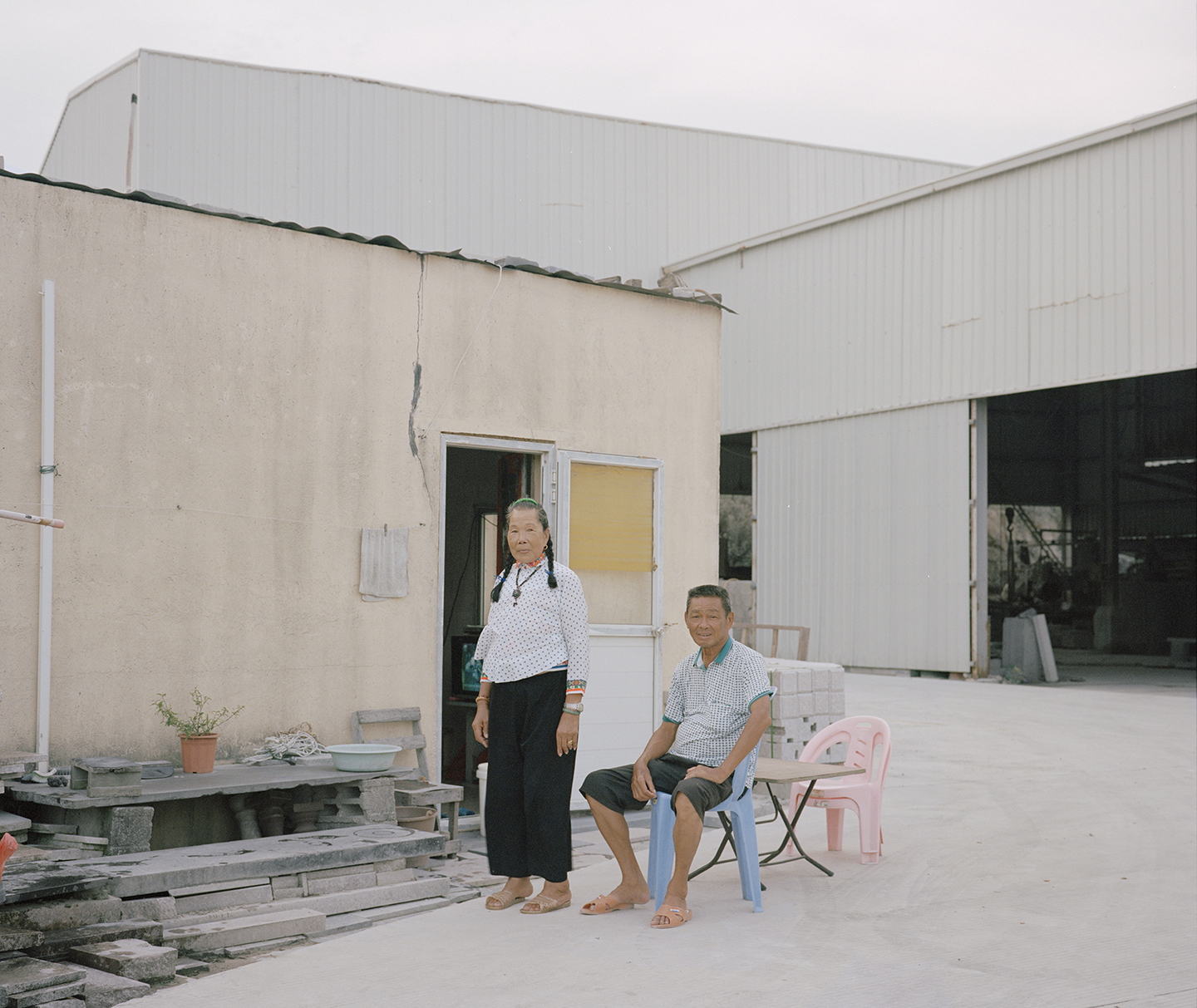
The Ningbo-Zhoushan port is already the world’s biggest in terms of cargo tonnage, and the fourth biggest in terms of container traffic. The coastline is filled with deep water berths and has been taken over by the shipping industry. But when you pull away from the noise and bustle of the port area, the coastline settles into a tranquil silence, where people and nature live and coexist together. At the same time, small, silent traces of history peep out through the cracks of the current generation’s surroundings. In creating these pieces, Zheng Chuan has focused on showing how these man-made traces of history conflict with the nature around them, and how they contradict the idea of coexistence; they want to speak out, but yet they hold back.  

Perhaps we don’t need to examine each and every frame of the history of the Port of Ningbo. As the central landmark of the Port, the old passenger terminal served as the most reliable witness to its rise and decline during the 25 years it remained standing. When the building returns to life in the form of Zheng Chuan’s computer-generated image, the history and politics behind it can no longer be ignored.


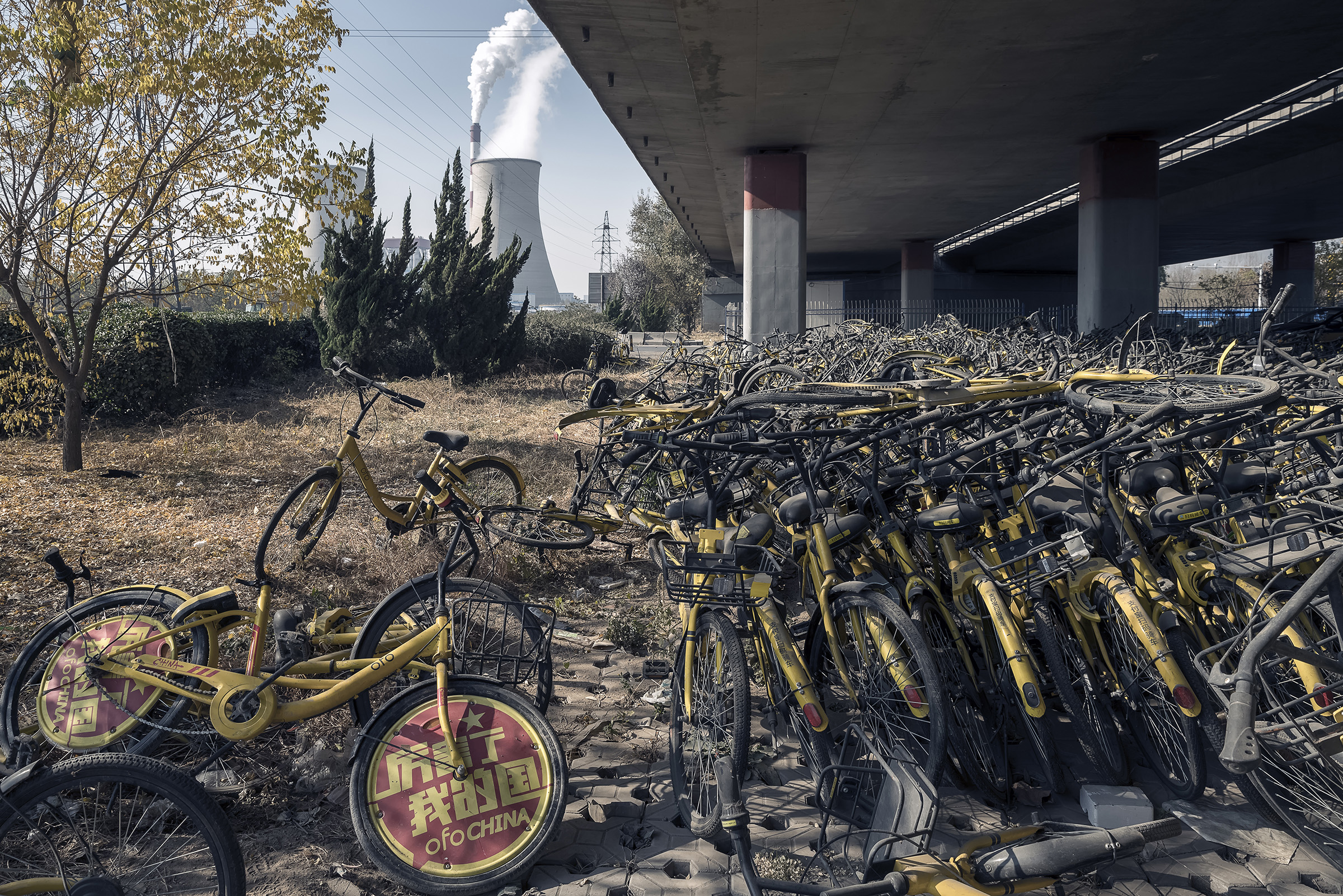
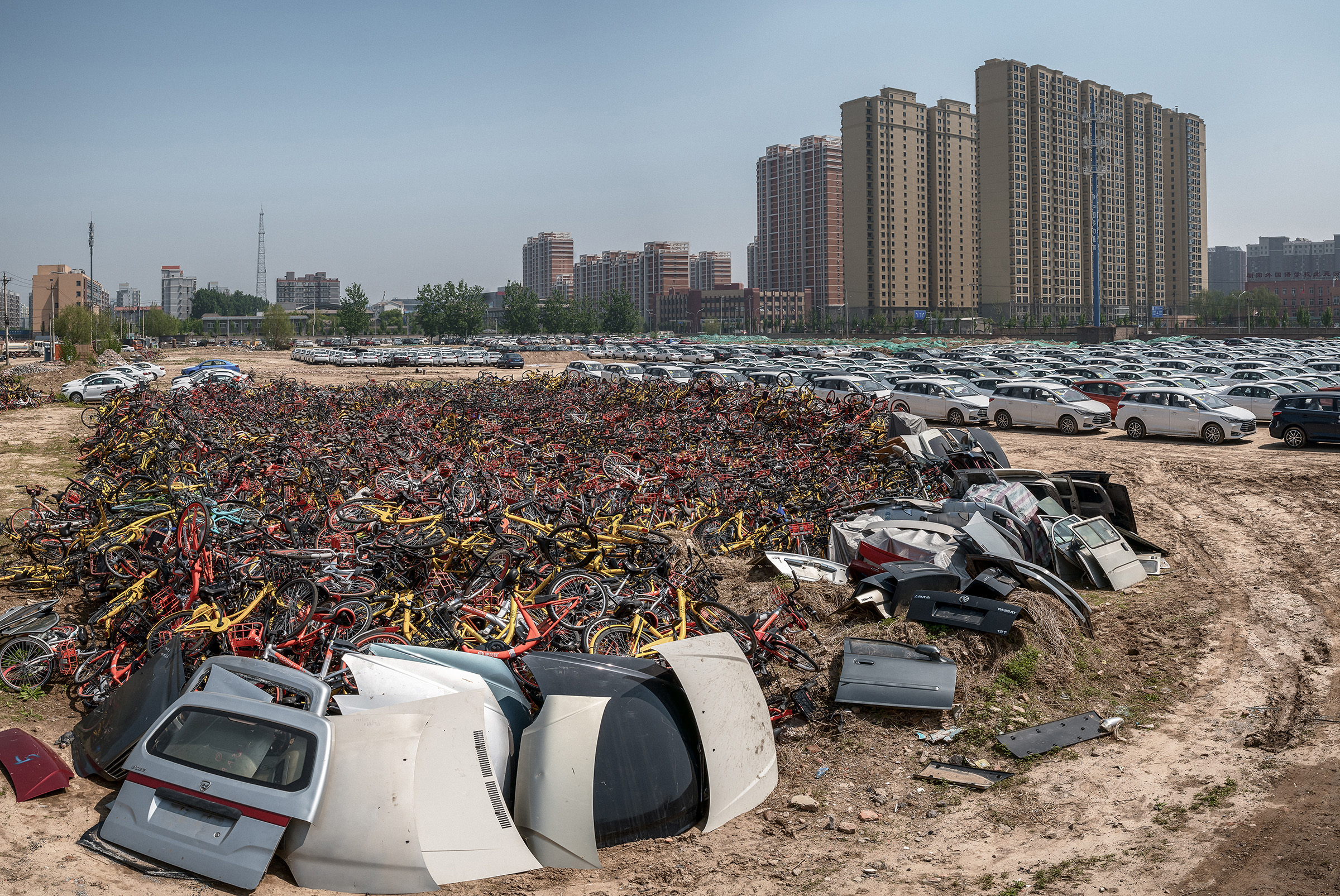
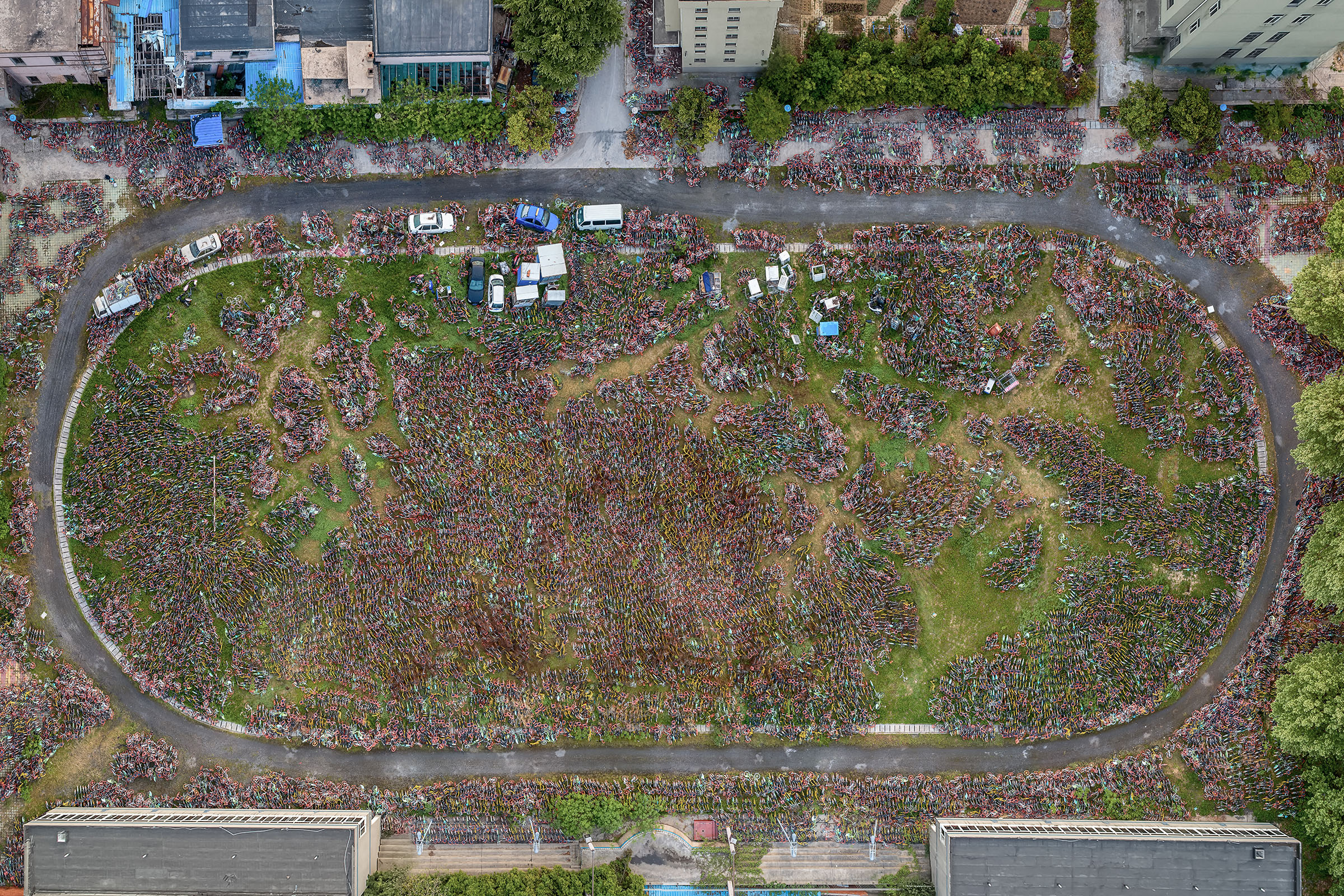
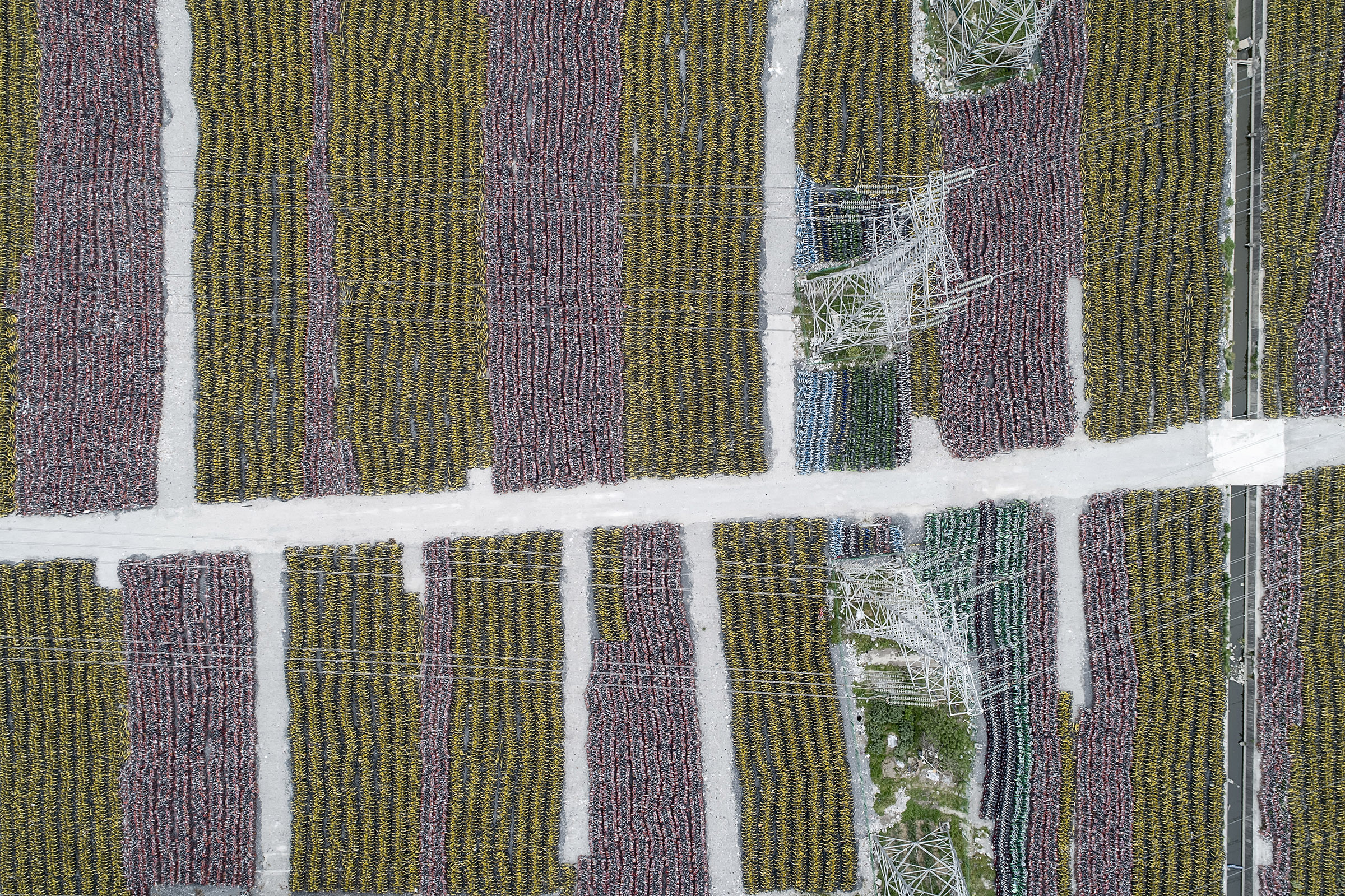
No Place to Place: Full Record of China’s Shared Bike Graveyards in 20 Cities

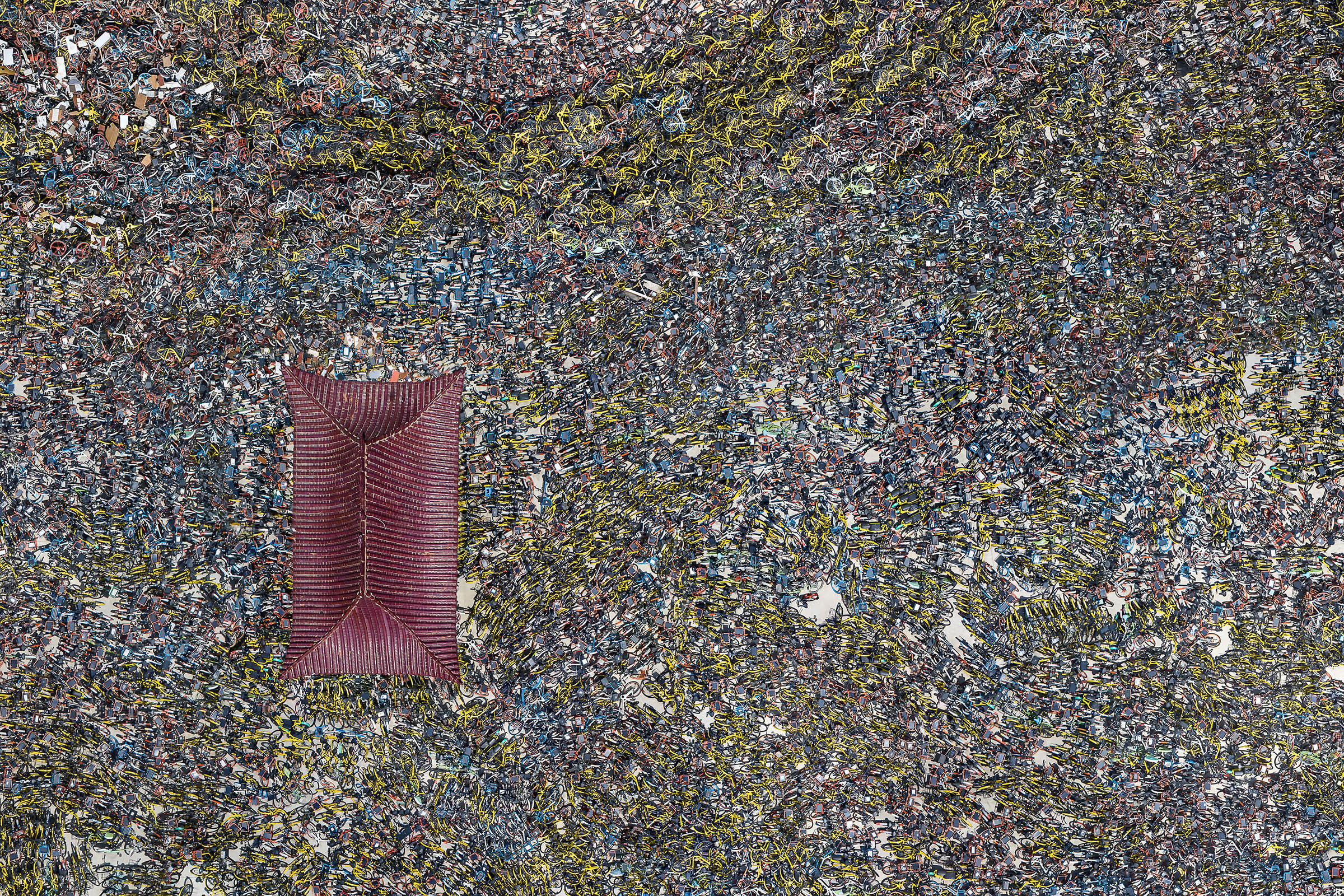
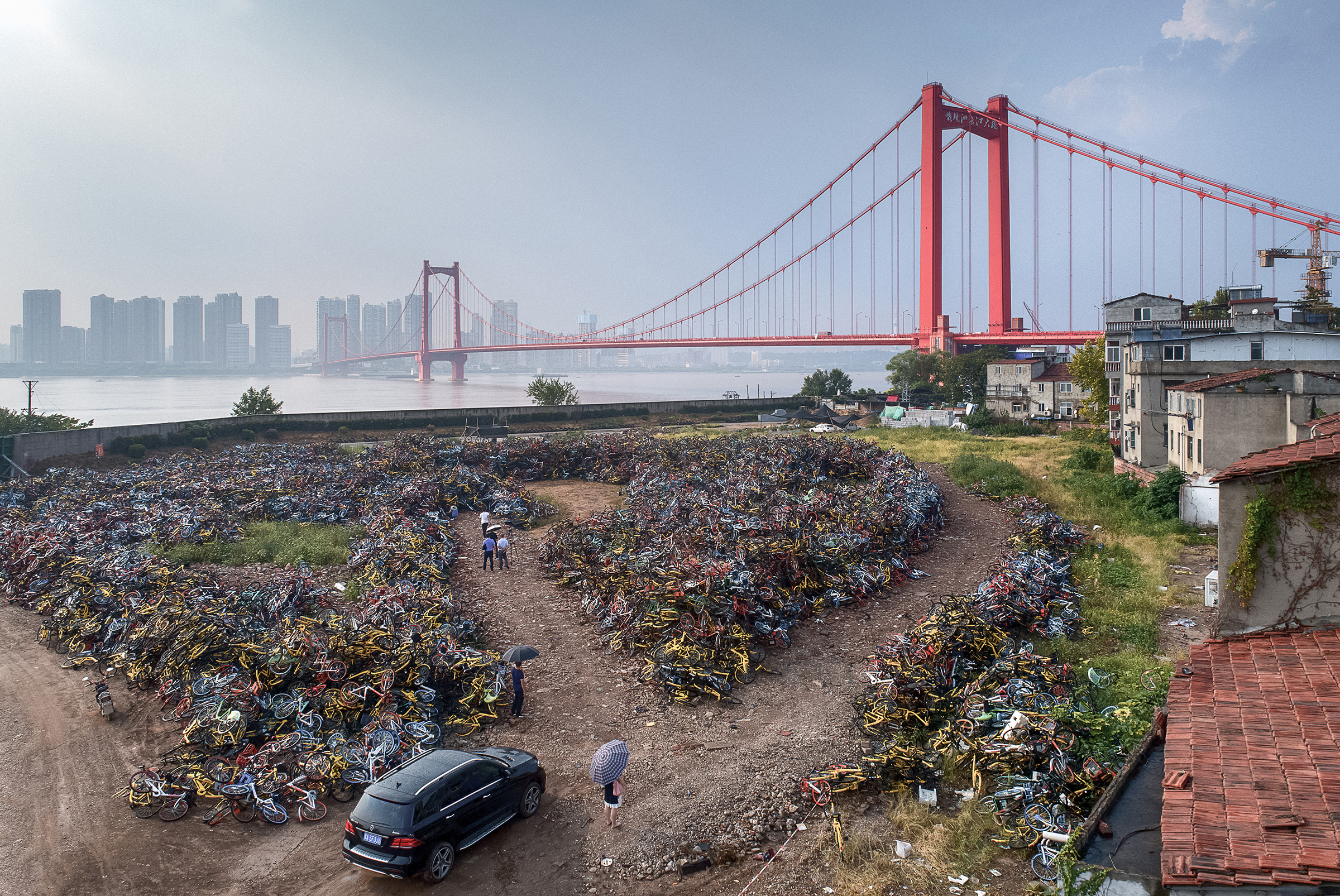
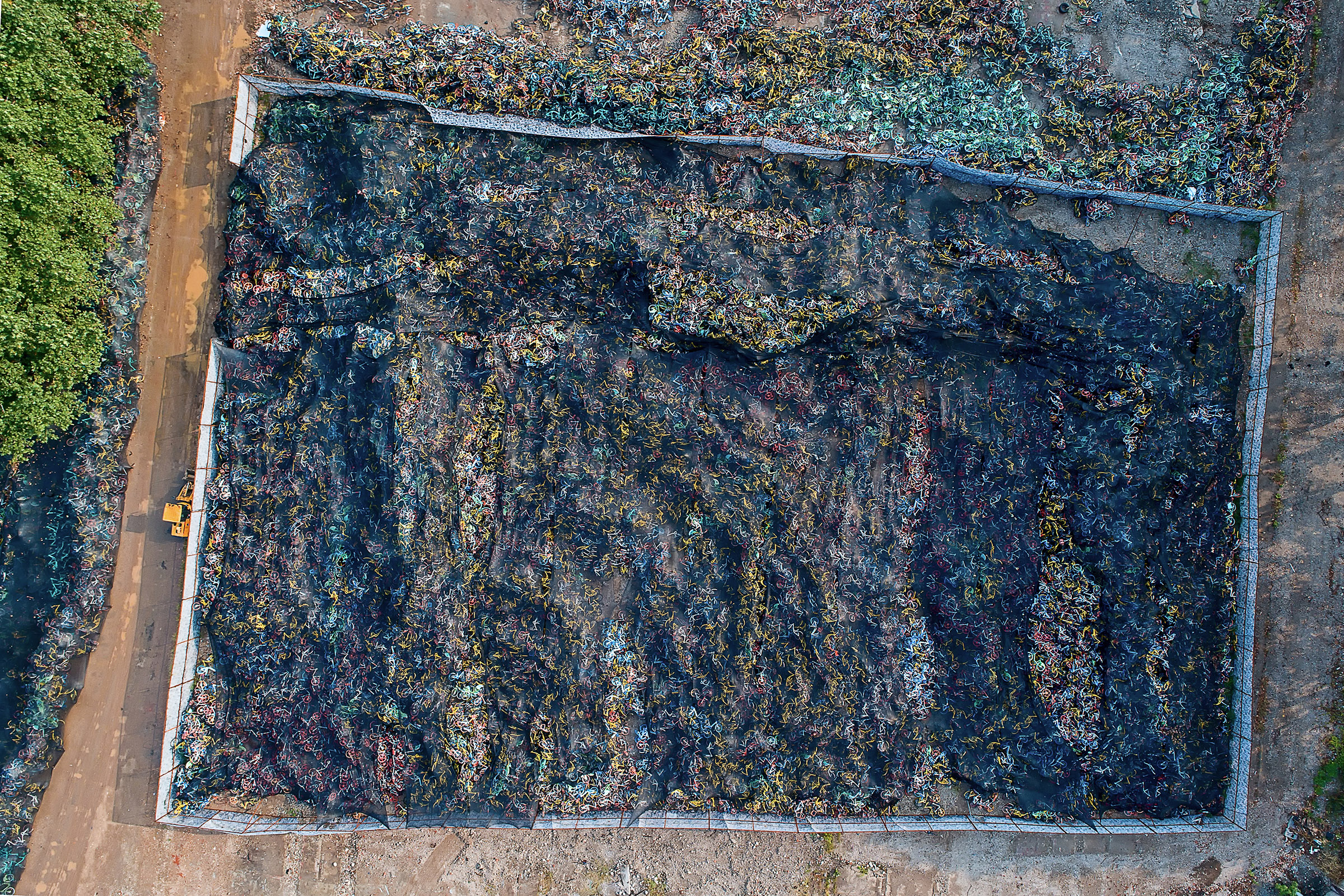
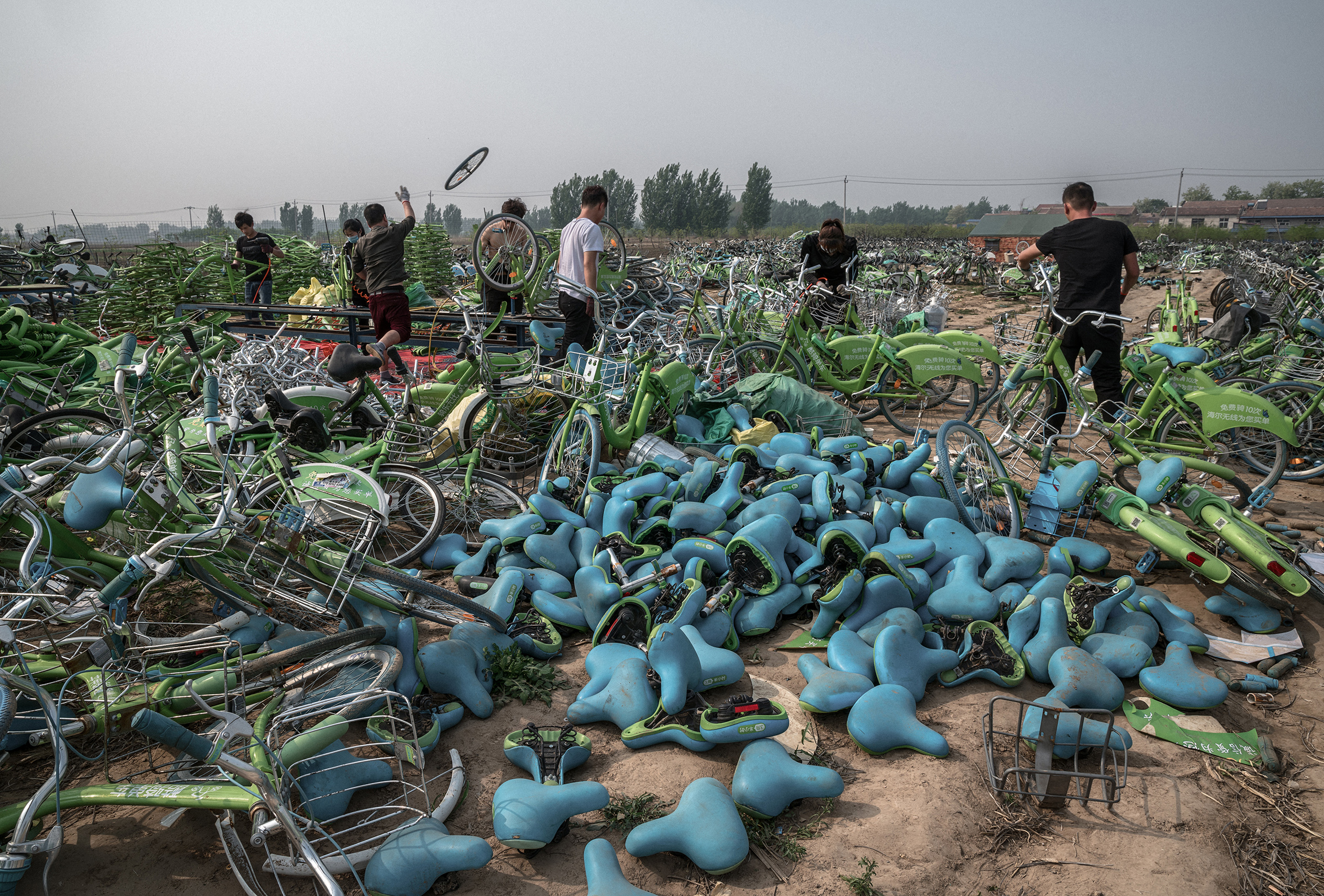
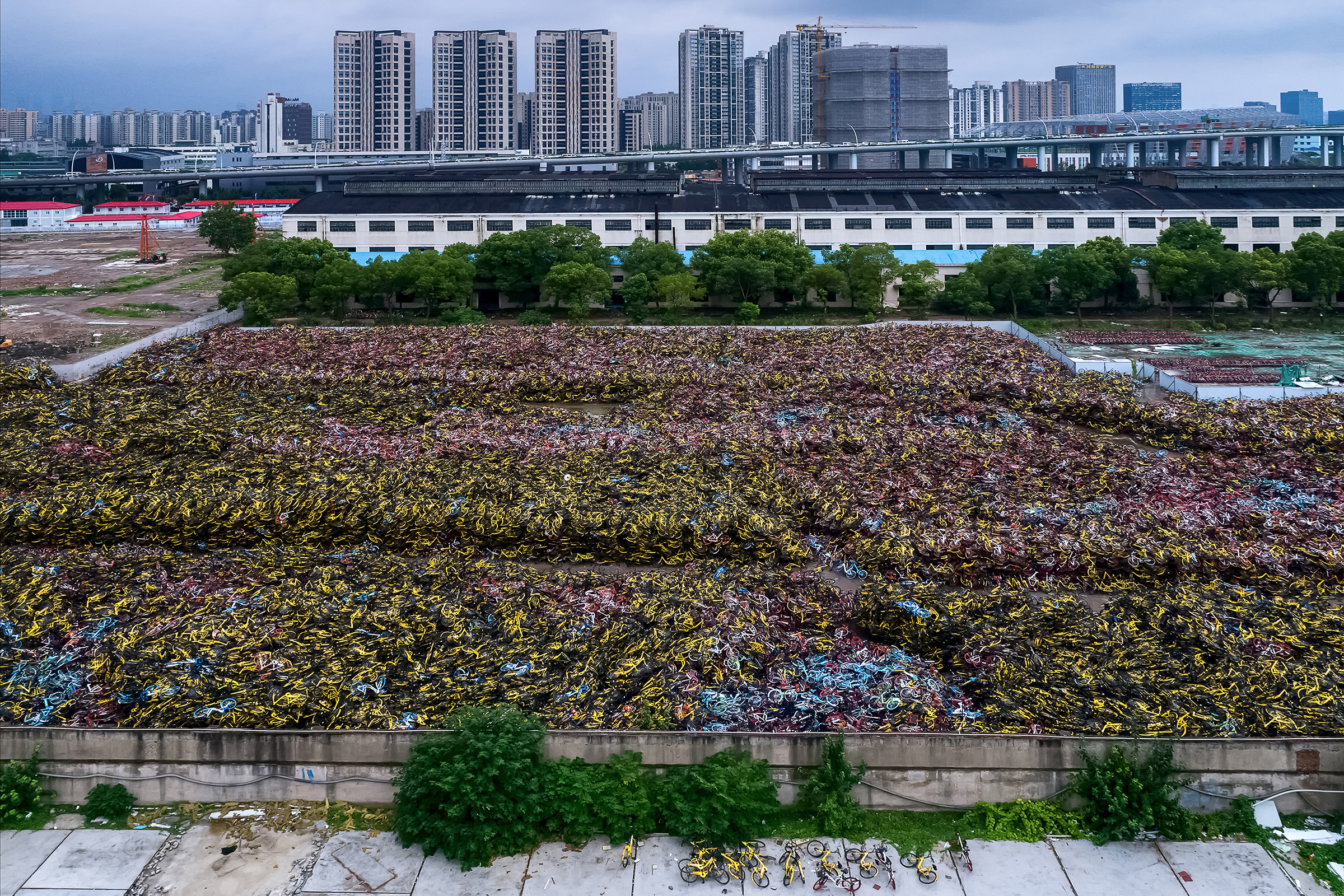
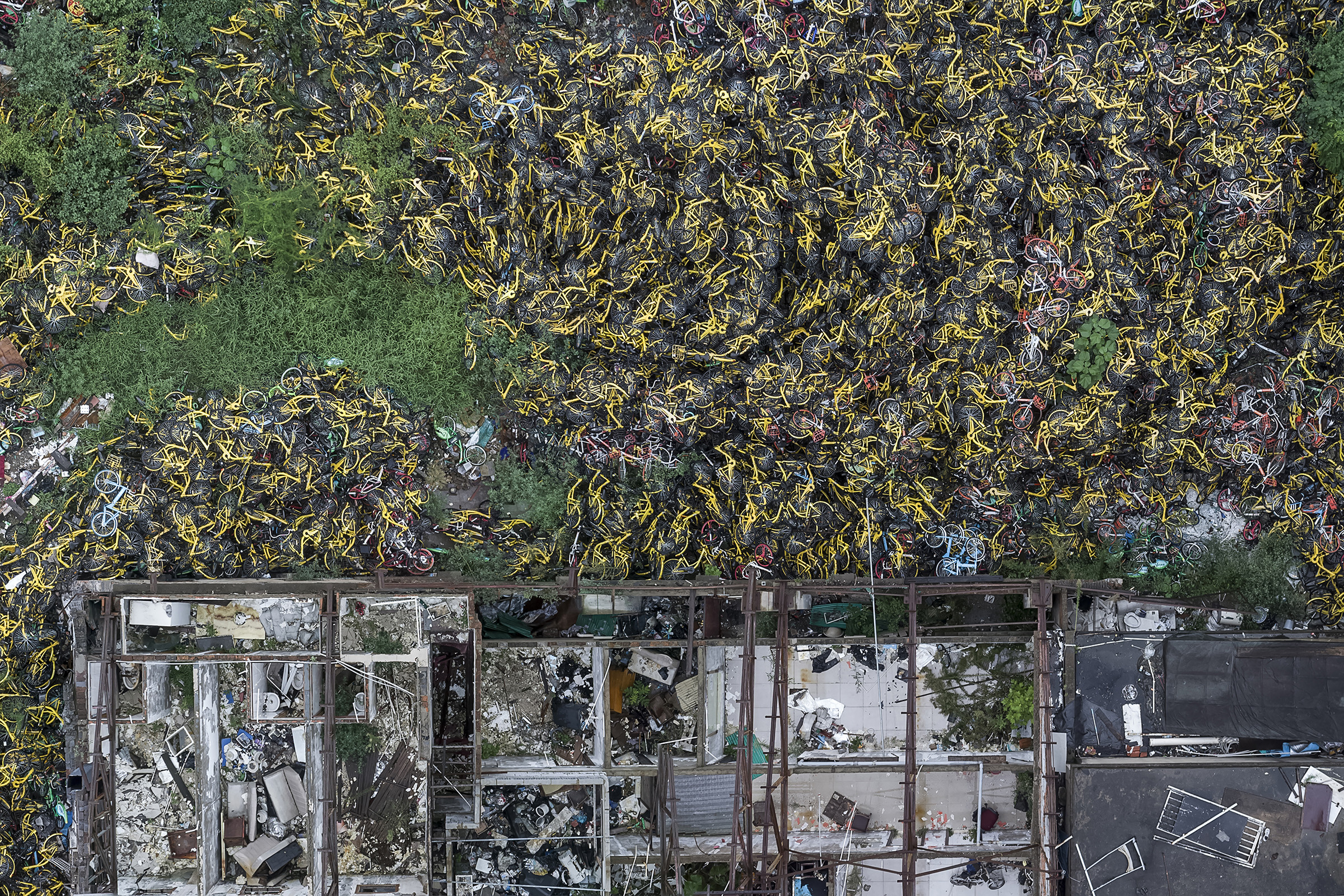
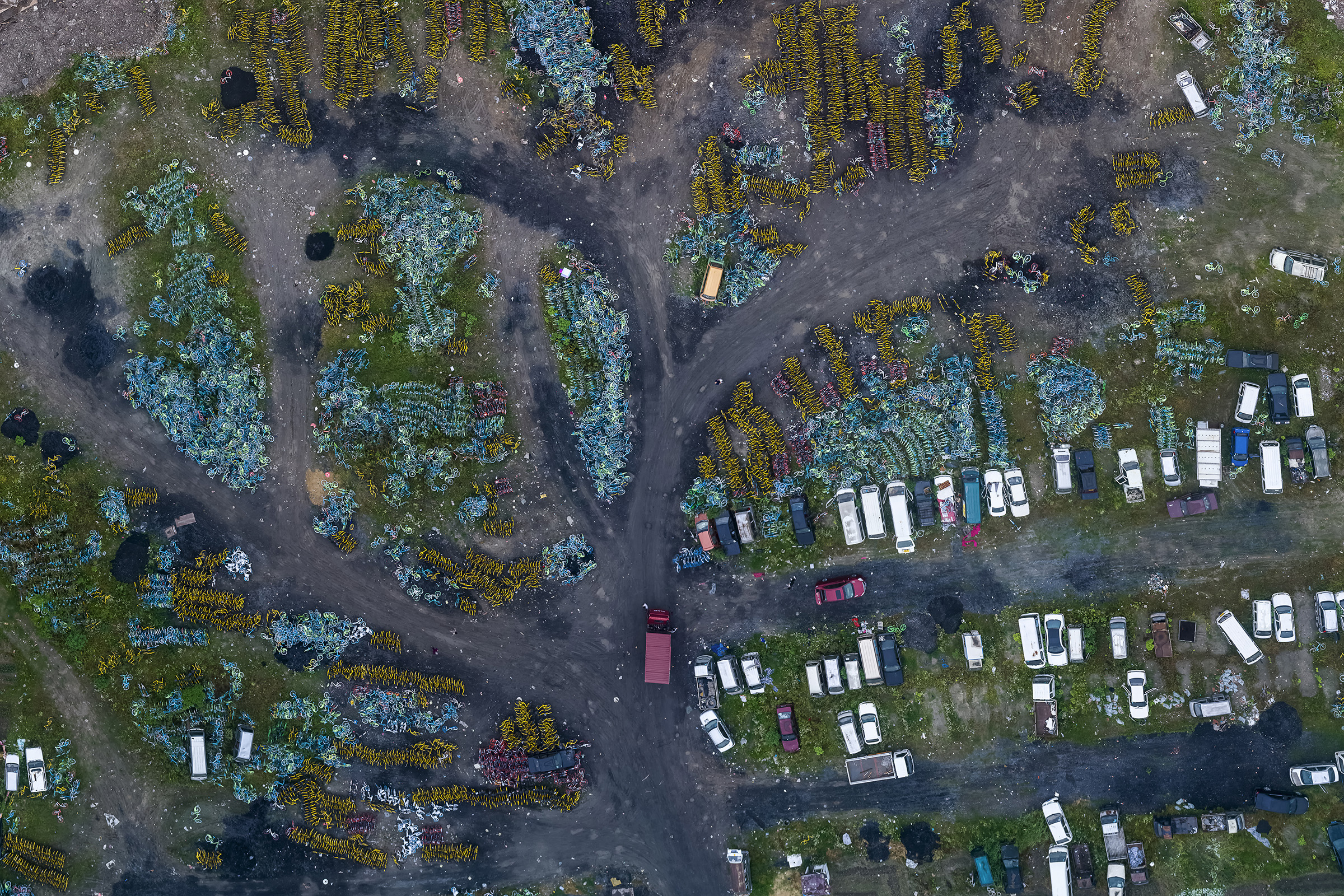
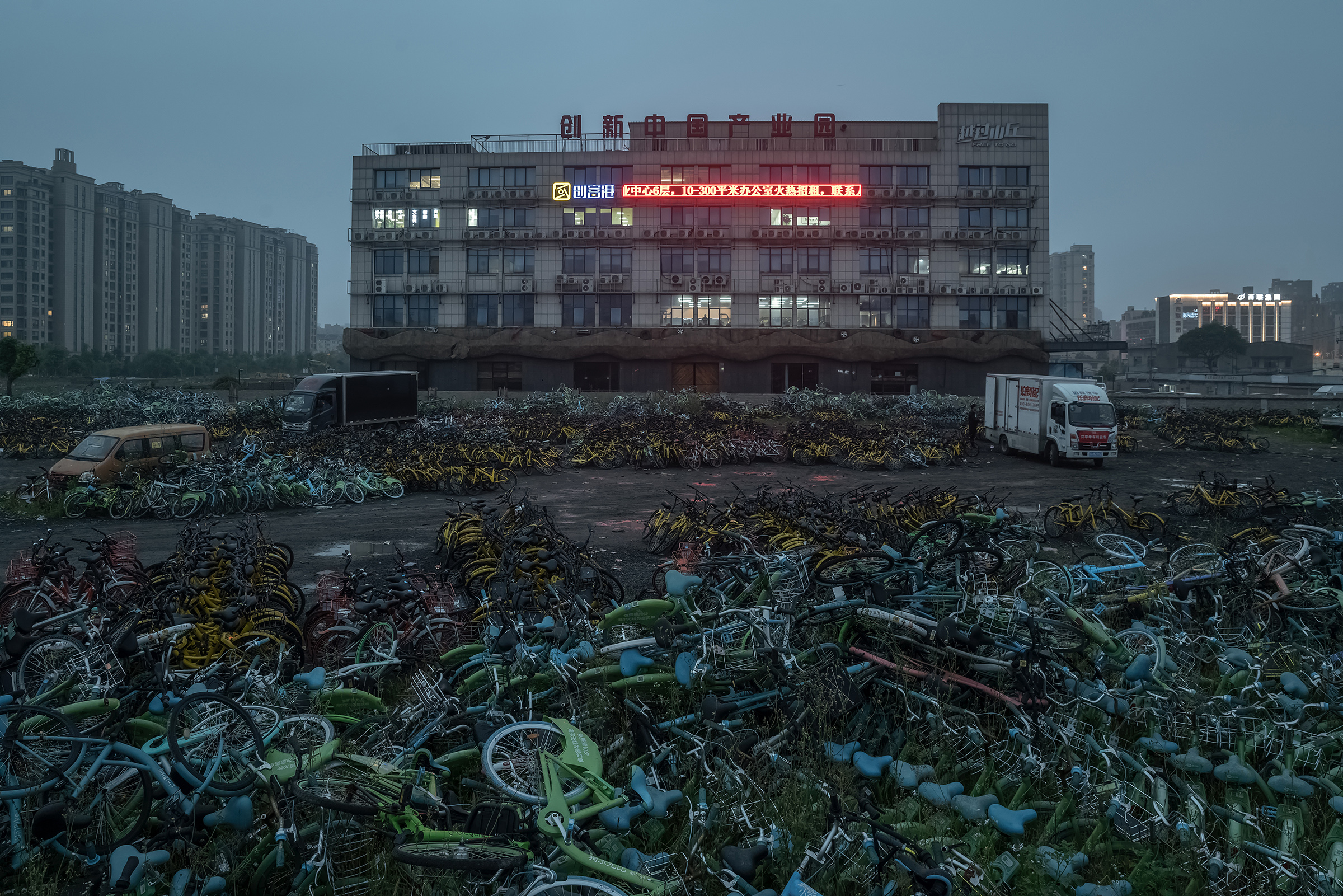
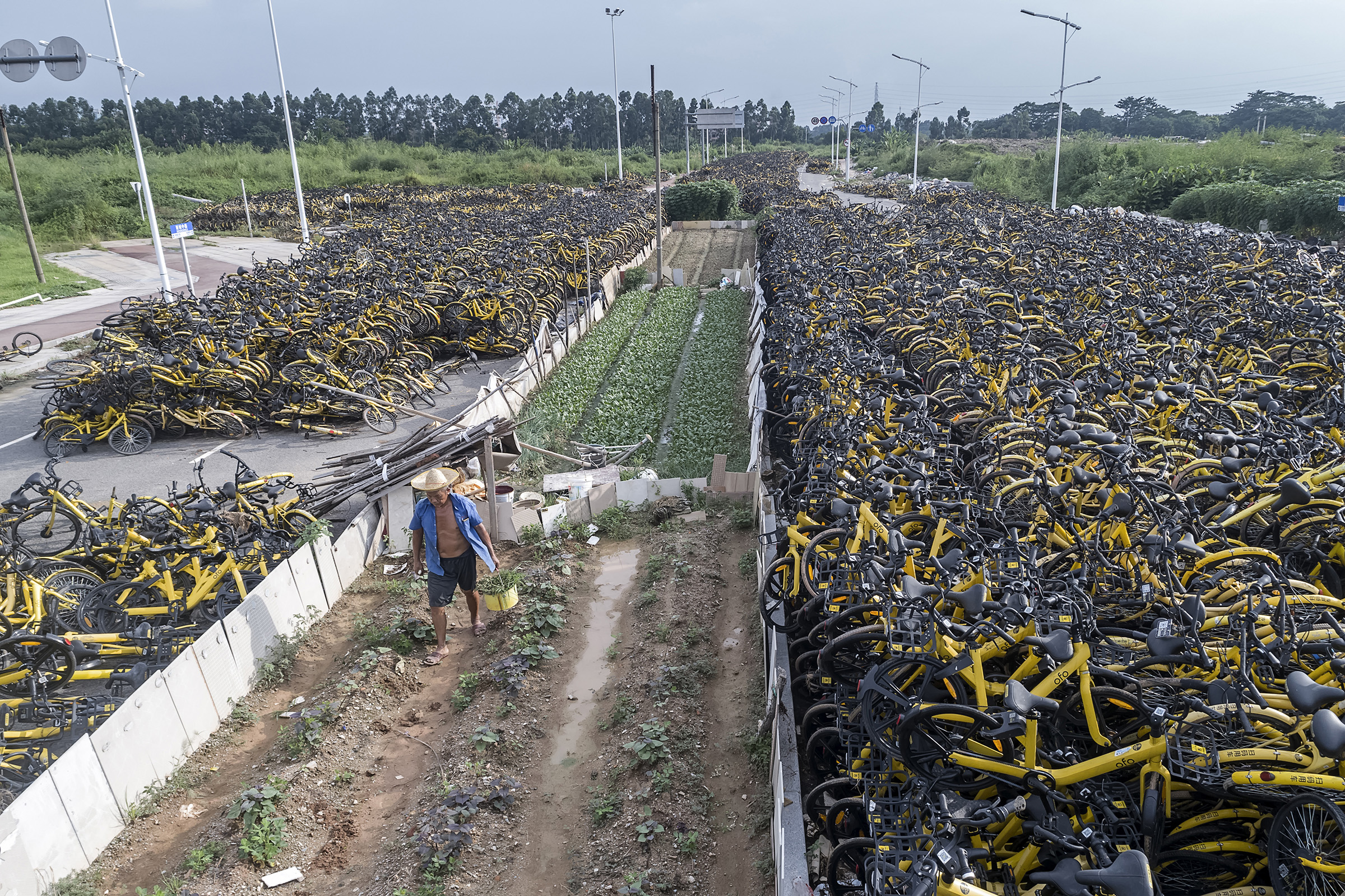
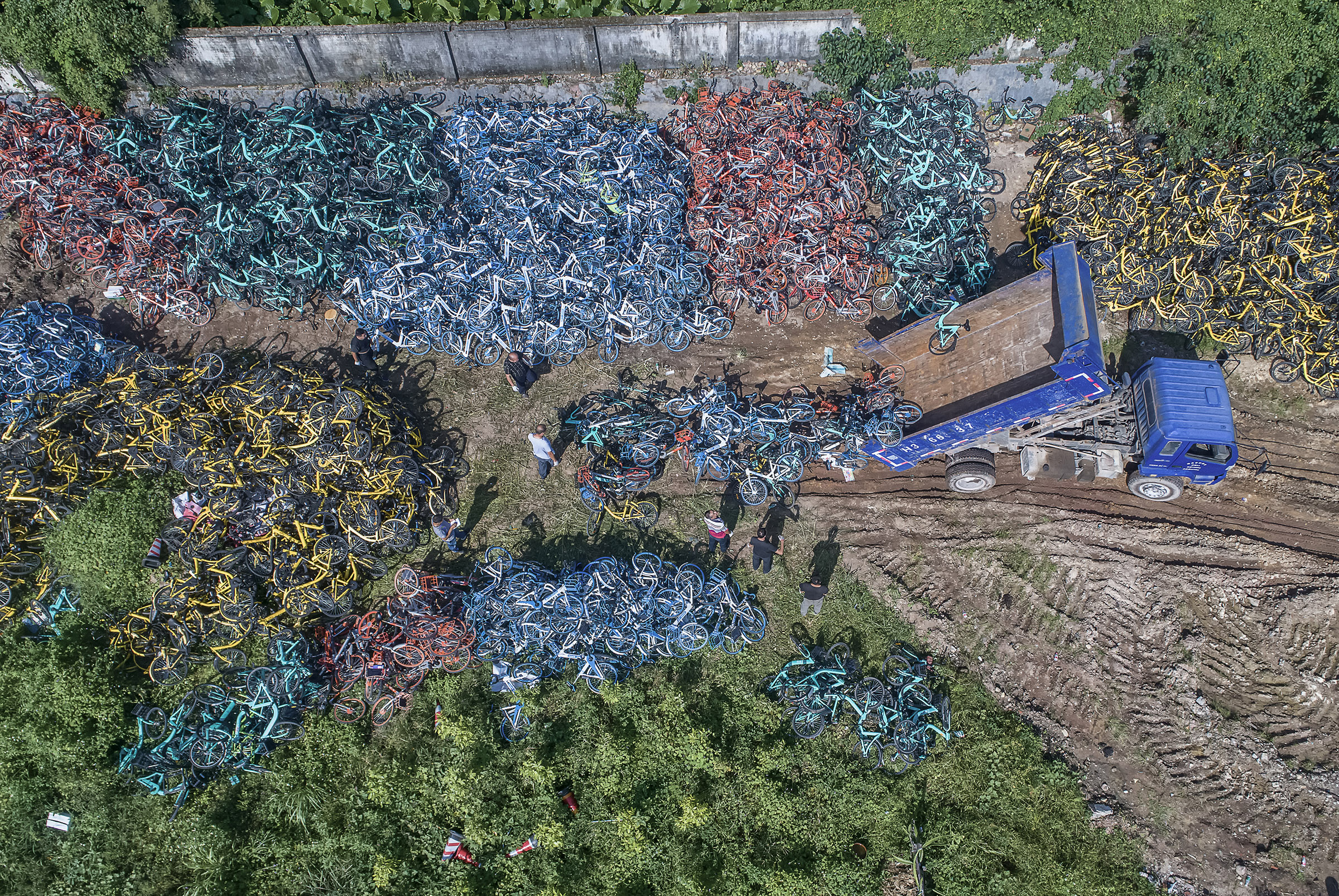
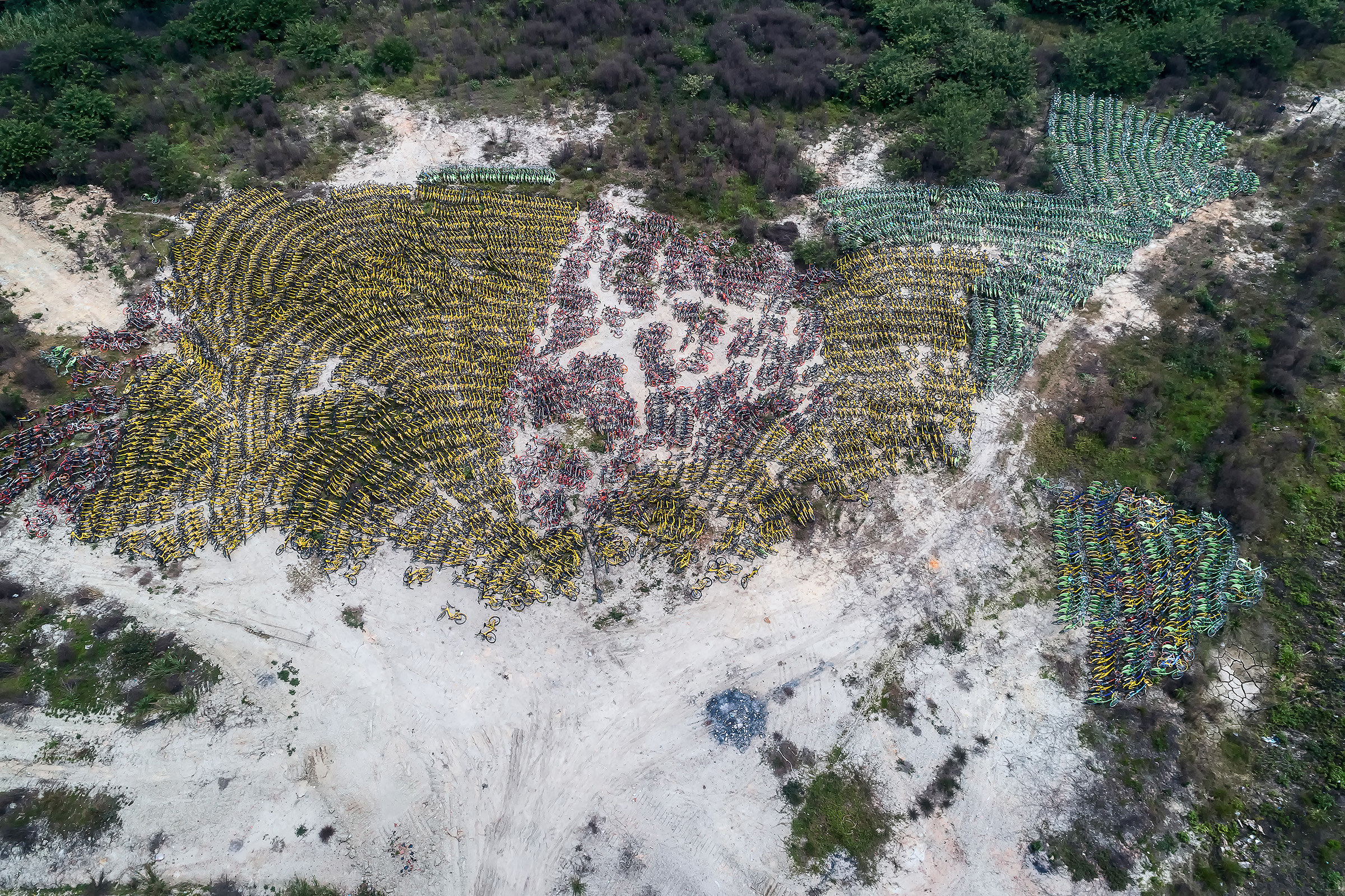
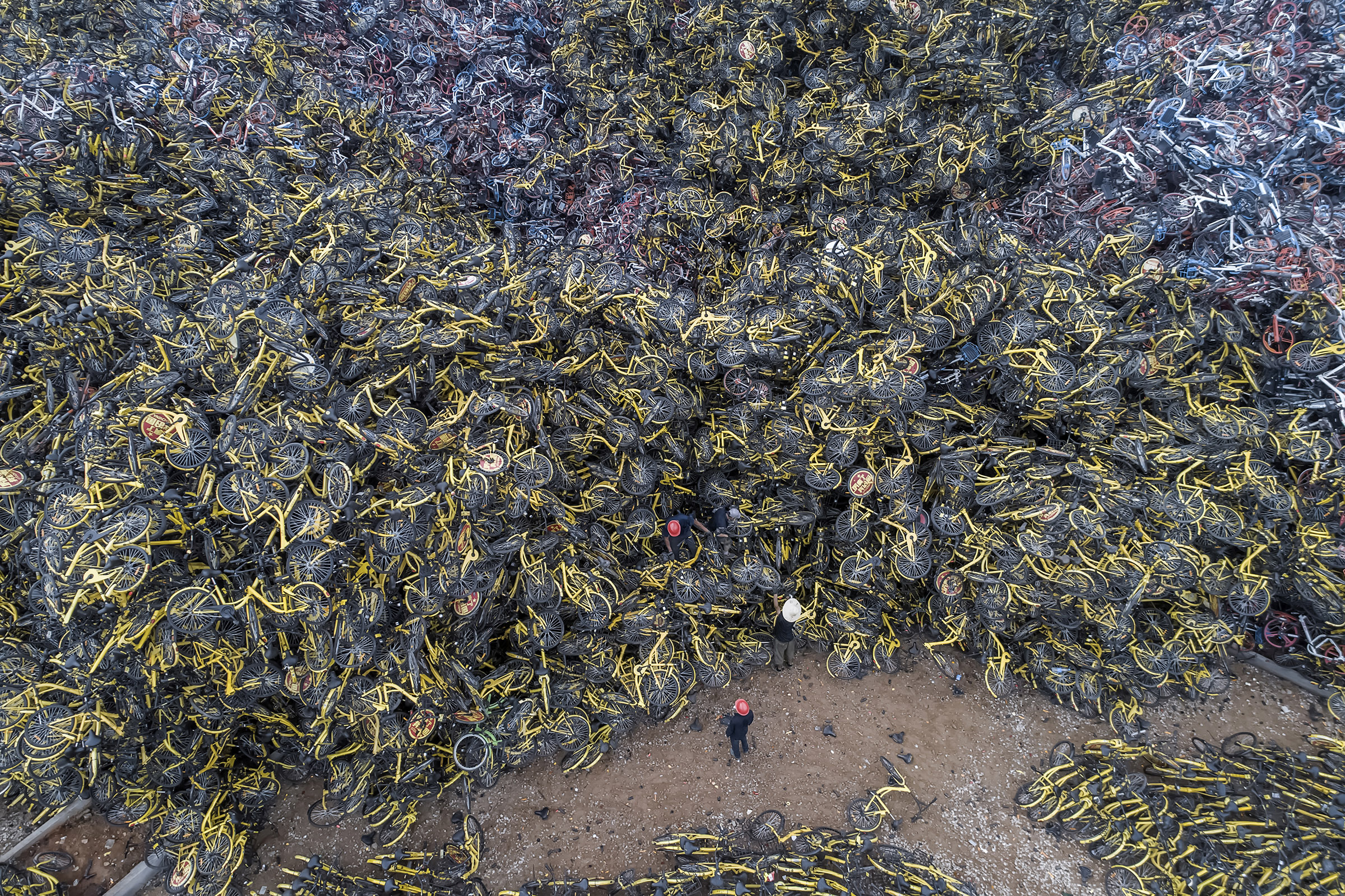
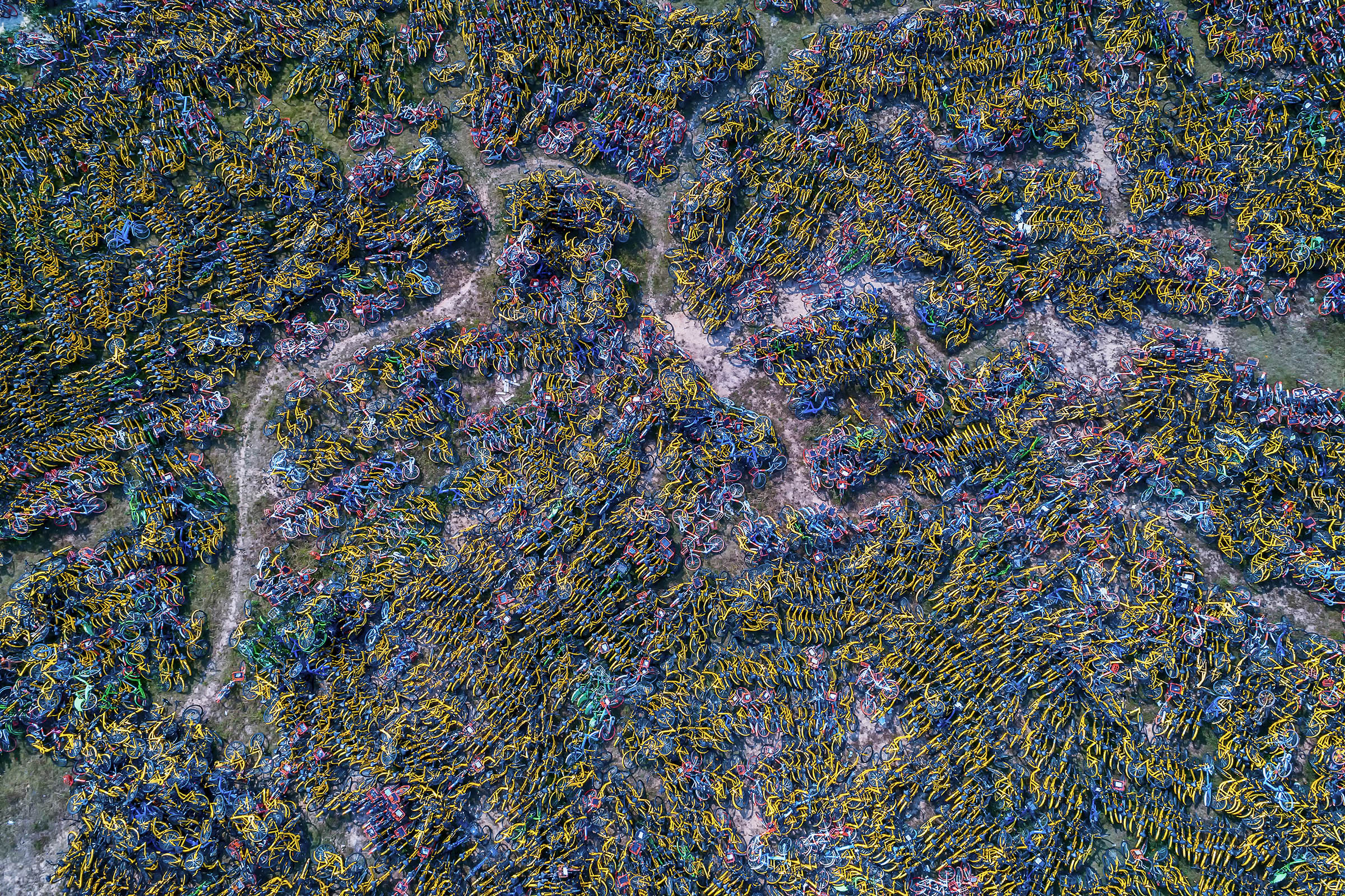
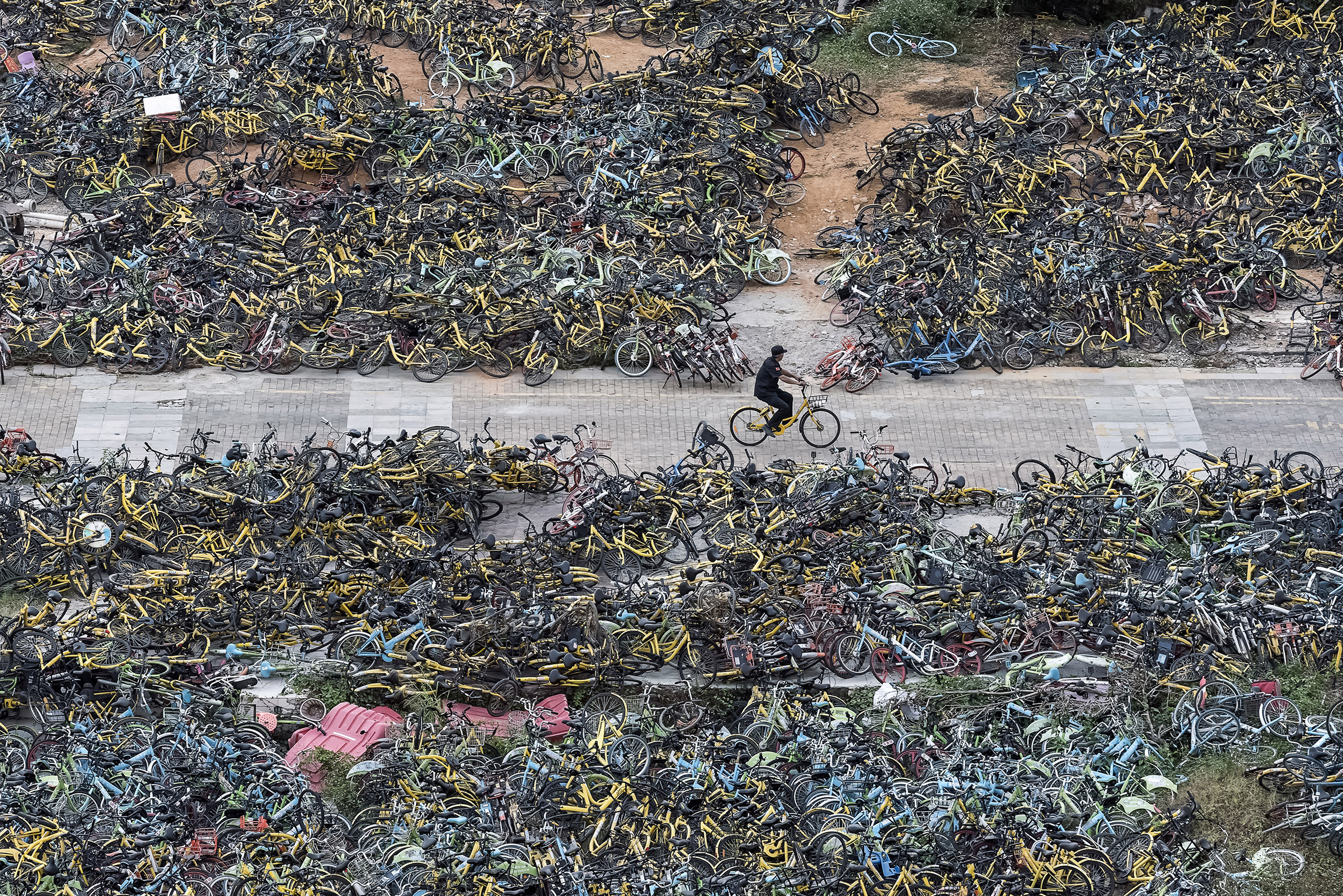
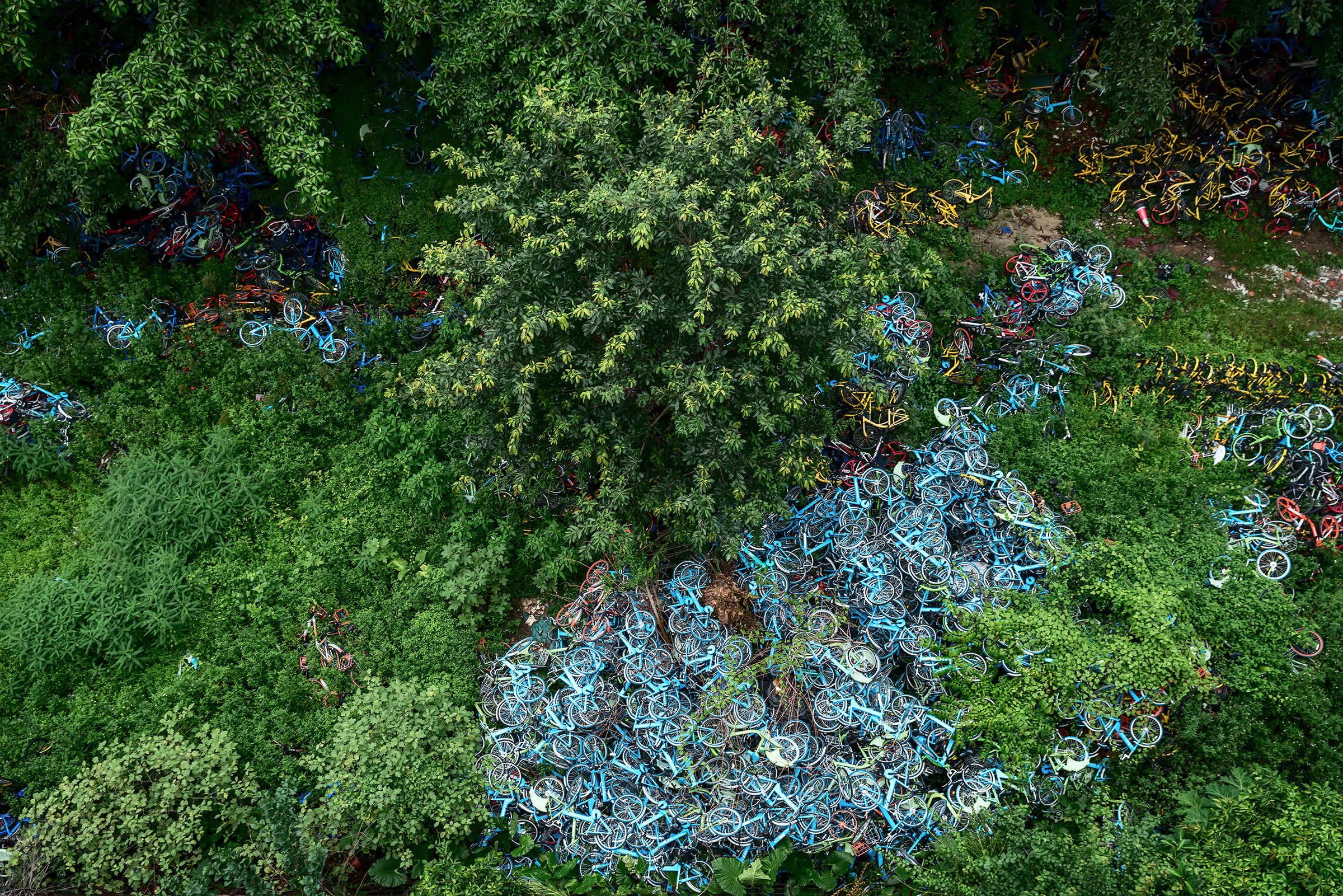
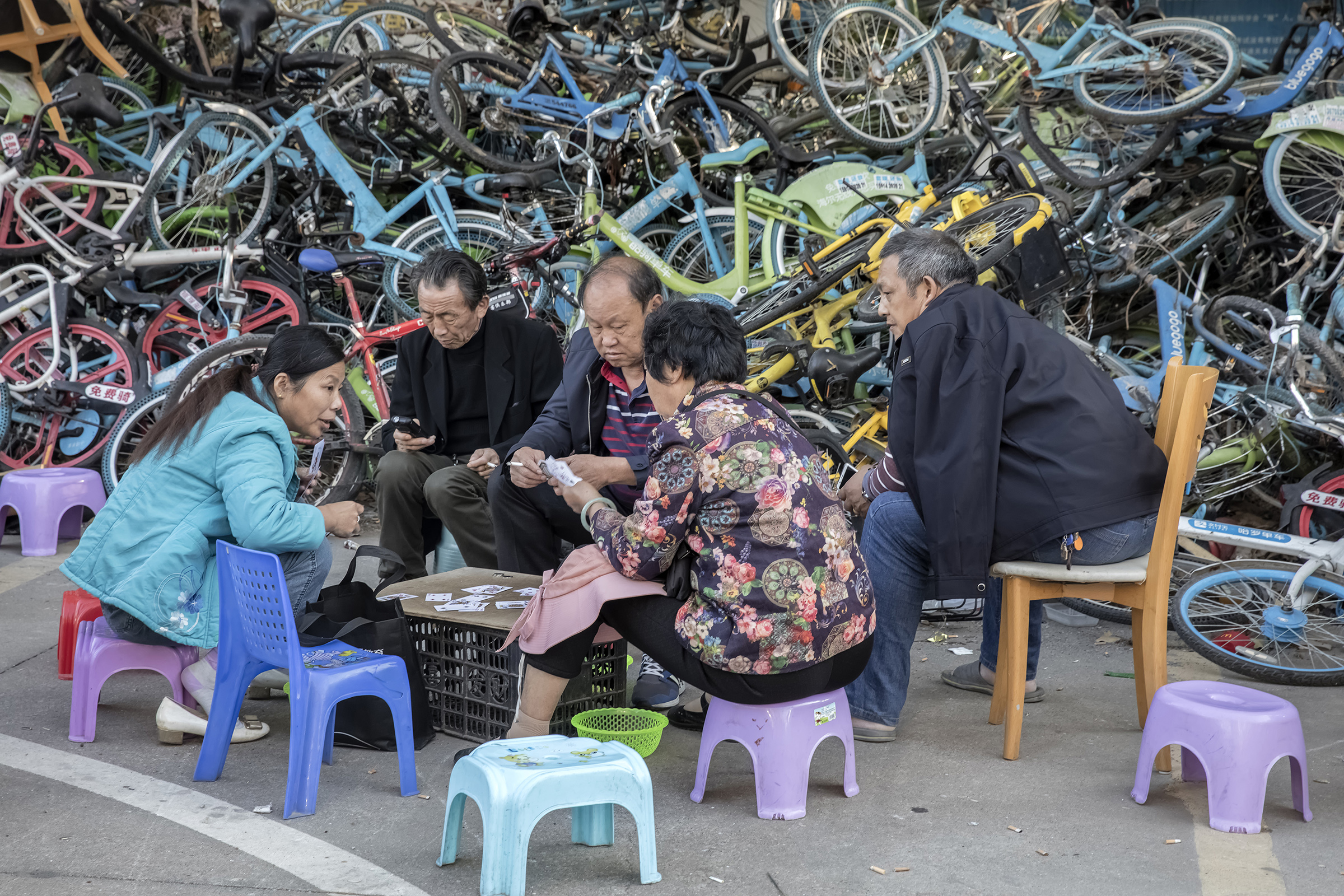
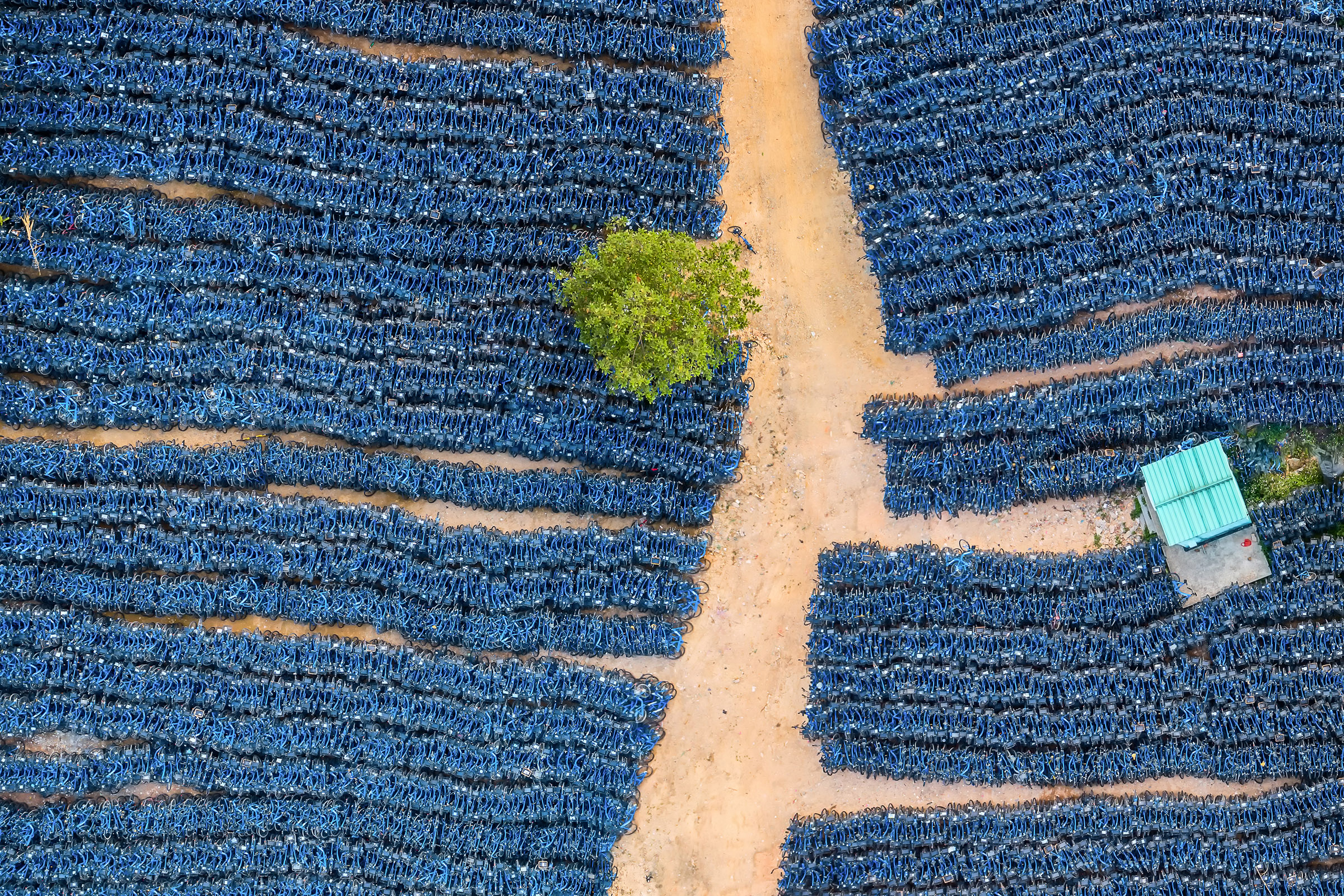
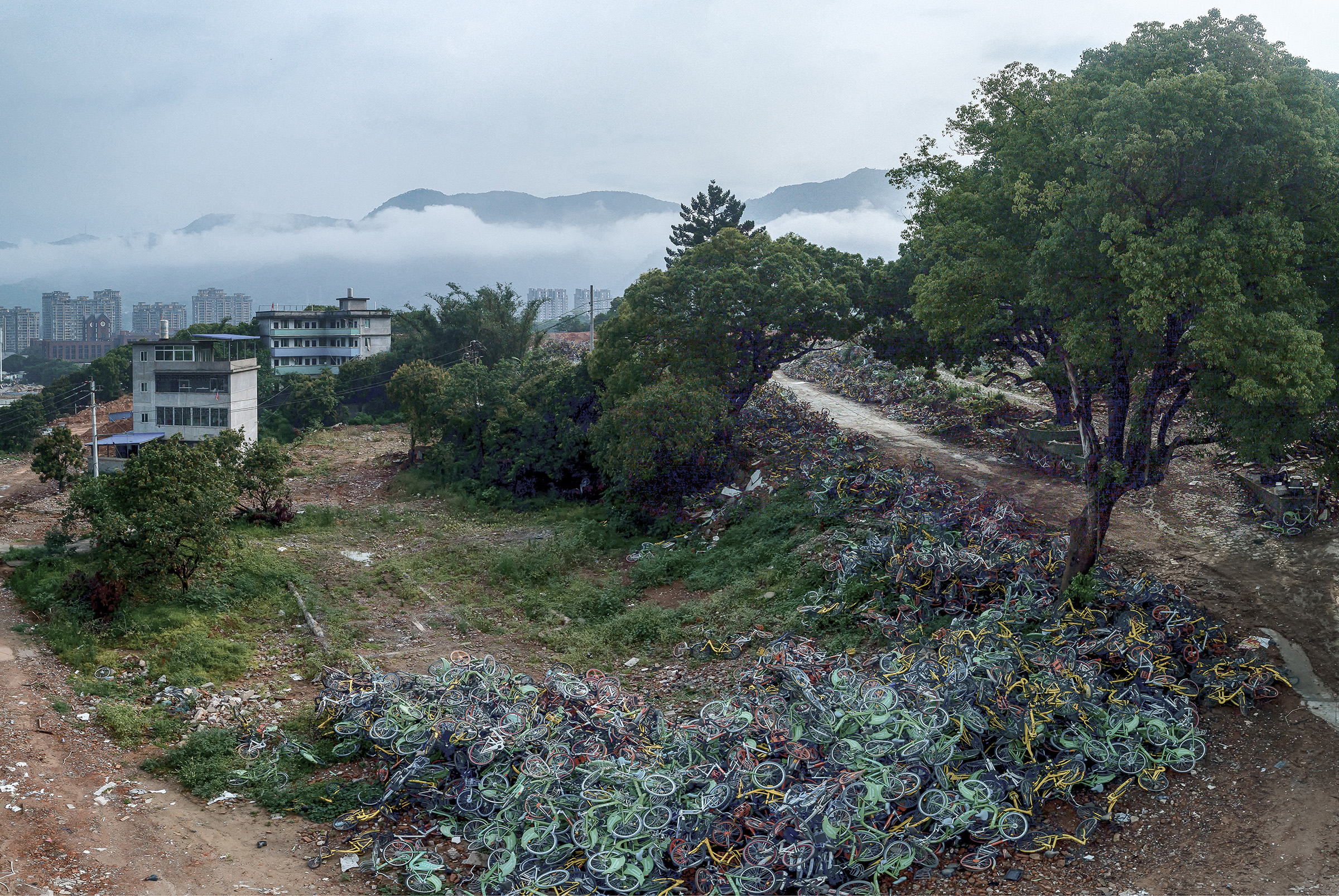
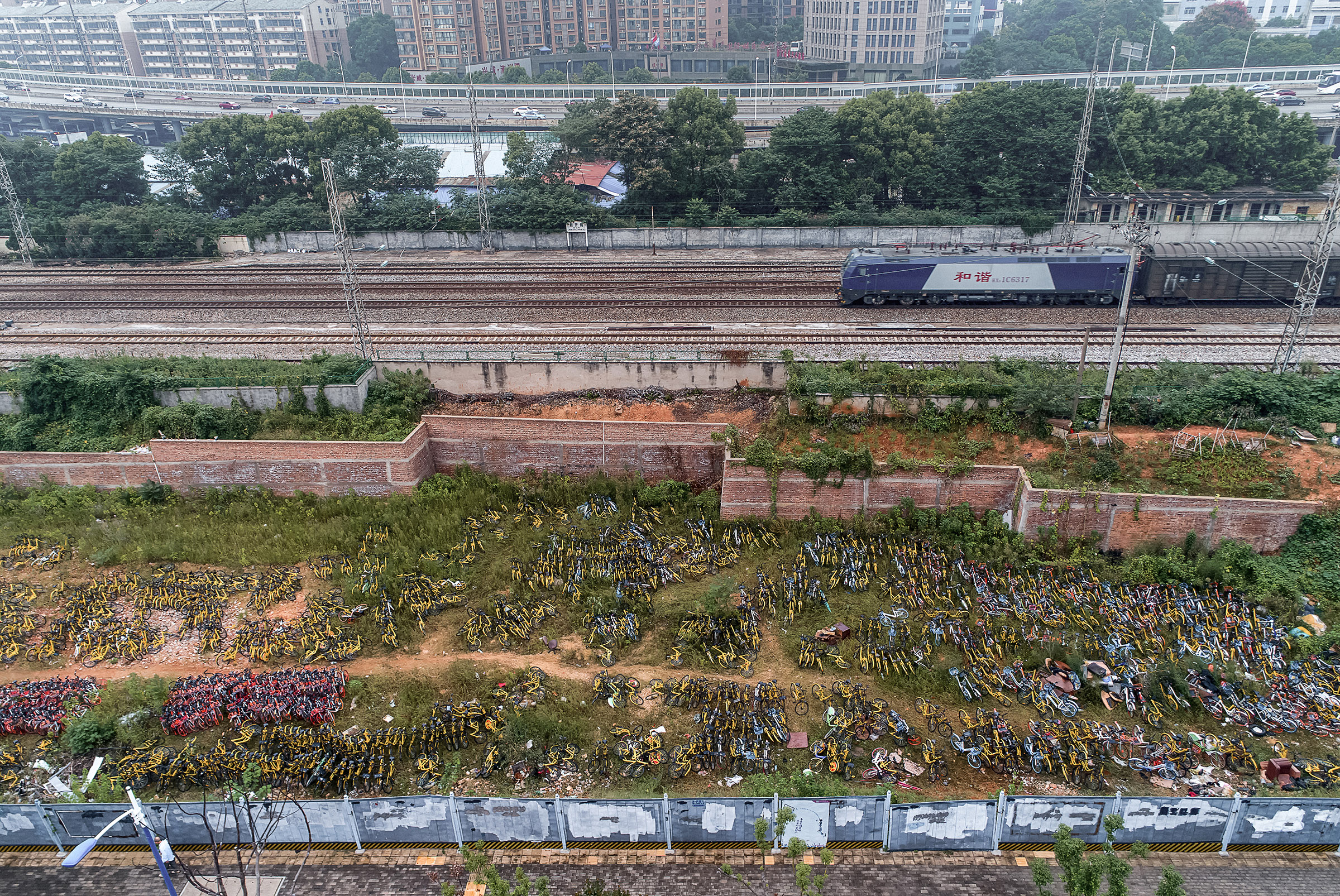
This Focus presents a photo series shot by Wu Guoyong between March and December 2018 in 20 major cities of China. We deliberately chose to present the entire series, organized into four geographical areas: Wuhan and its surroundings; the Jing-Jin-Ji cluster in the North; the cities of Shanghai and Hangzhou in the Yangtze Delta; and finally, a large area in the south of China ranging from Changsha to Xiamen via Guangzhou and Shenzhen.

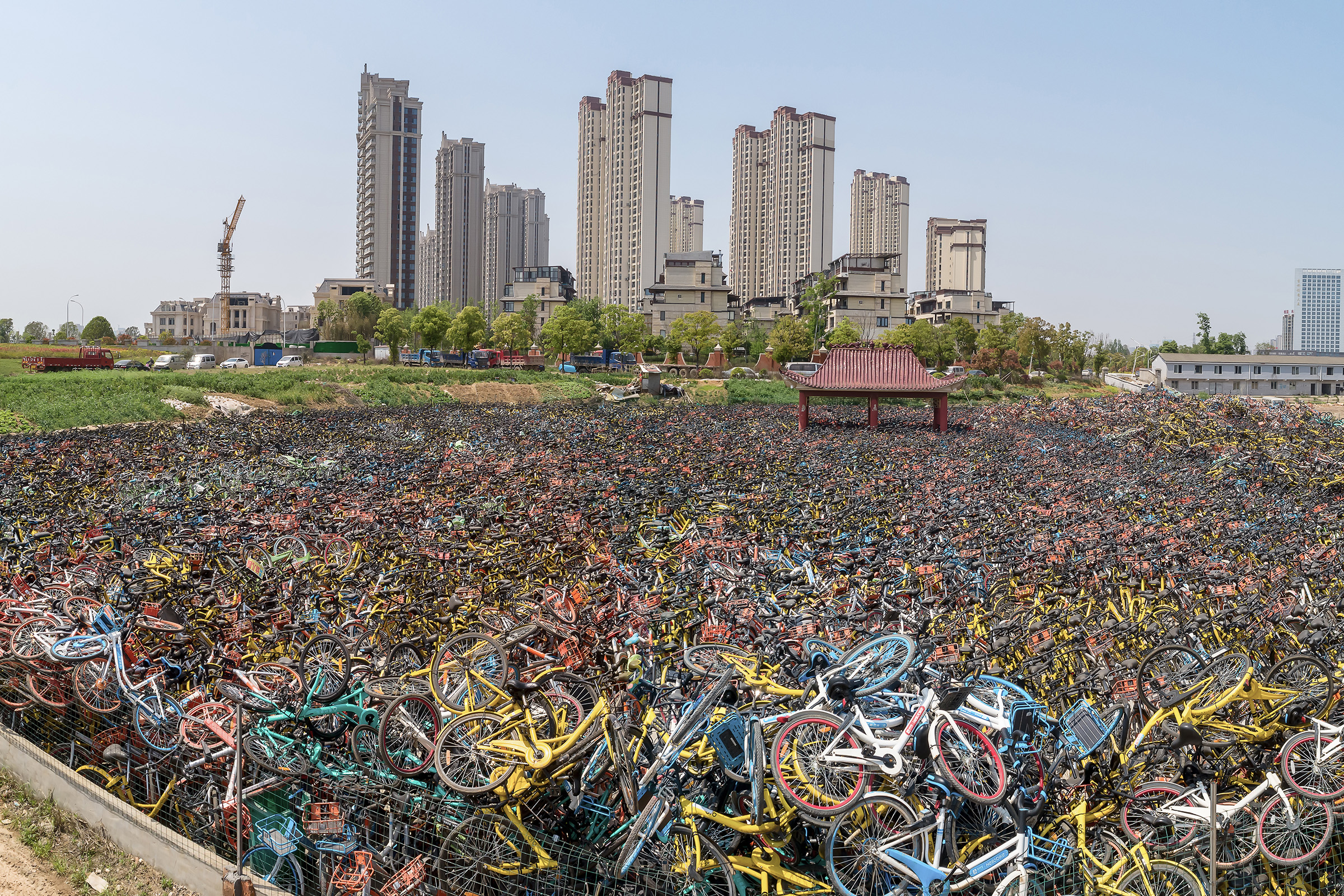
Bicycle sharing, known as one of China’s “New Four Major Inventions” originated during a period of mass entrepreneurship and innovation. In May 2015, the first dockless shared bicycles were introduced on the campus of Peking University. The concept behind bicycle sharing, “Green Travel” and solving the “Last Mile” problem was widely welcomed. Various venture capitalists, sensing the market potential of bicycle sharing, rushed into the new business. Soon a shared economy storm swept across China. In just over two years, more than 70 shared bicycle companies had sprung up. These companies raised more than 10 billion US dollars in financing and placed around 27 million shared bicycles in major cities across China. Each shared bicycle brand used a distinct color to differentiate its bicycles from competitors. In core areas of big cities, the sheer quantity of shared bicycles soon began overwhelming public space.

Originally the government was laissez-faire about the cluttered streets and even encouraged bicycle sharing. They did not realize the seriousness of the issue until September 2017 at which point the government started to limit the number of bicycles deployed and started placing excess bicycles in temporary locations. Such hidden locations are hard to find in cities and have earned the name “shared bicycle graveyard”. Many of the shared bicycles got damaged during the re-settlement process. The relationship between the government and shared bicycle companies has thus turned sharply sour.

As the government moves to clamp down on the explosion of shared bicycles, a lot of brands, including 3Vbike, Goku, Dingding, Xiaolan, Kuqi and Xiaoming, have claimed bankruptcy or closed operations of their own accord. Now, only a few companies are still operating. Hundreds of millions of dollars of customer bike deposits cannot be refunded.

The project started in January, 2018. After gathering information from online and offline resources, I’ve travelled to almost every major city where bike sharing went crazy and recorded what I’ve witnessed in (aerial) photos, videos and VR. On the morning of July 26, 2018, the video was launched by Sohu Portal Network of China, and this immediately triggered a viral sharing by Chinese netizens and foreign media. The number of Internet clicks exceeded 300 million. Thousands of citizens commented on the video forming a phenomenal media dissemination event.

The Chinese government has since improved the management of shared bicycles, with a focus on supervising operators to reduce their bicycle fleets in the market and to strengthen the recycling of damaged bicycles. By the end of 2018, most of the shared bicycle cemeteries photographed by photographers had disappeared.

The Port and the Image: Documenting China’s Harbor Cities

 “The real voyage of discovery consists not in seeking new landscapes, but in having new eyes.” – Marcel Proust

“The Port and the Image: Documenting China’s Harbor Cities” is a photographic project focused on documenting China’s ports and the cities that surround them. The goal of this project is to use art to explore the current situation of China’s port cities, and the issues that have arisen during their development in an increasingly integrated global economy. The first phase of this project involves eight photographers from different backgrounds and different fields. Each of them are paired up with a city and a port to focus on – Ningbo, Quanzhou, Guangzhou, Nanjing, Dalian, Shanghai, and Hong Kong.

The seven major ports selected in this project serve as starting points. This project seeks to use photography as a creative tool to analyze how these ports have grown: how their architecture has embraced both modernity and tradition, and how urban space, the environment, society, and culture relate to one another within them. “The Port and the Image” looks to discuss the ways in which a modern port city can be a unique vessel of history and tradition, and how the past and the present interact with one another in a contemporary context. Each of the eight photographers involved in the project have approached it from a different perspective. With their own interests and individual research as a starting point, they have formed concepts that assess both the urban area around the port, the interior beyond the coast, and the commercial and residential spaces between. In doing so, they have developed a deeper understanding of each ports unique situation. Once this has been established, each artist uses their own approach to photography (whether it is video, sound recording, or prints) to make their vision a reality.

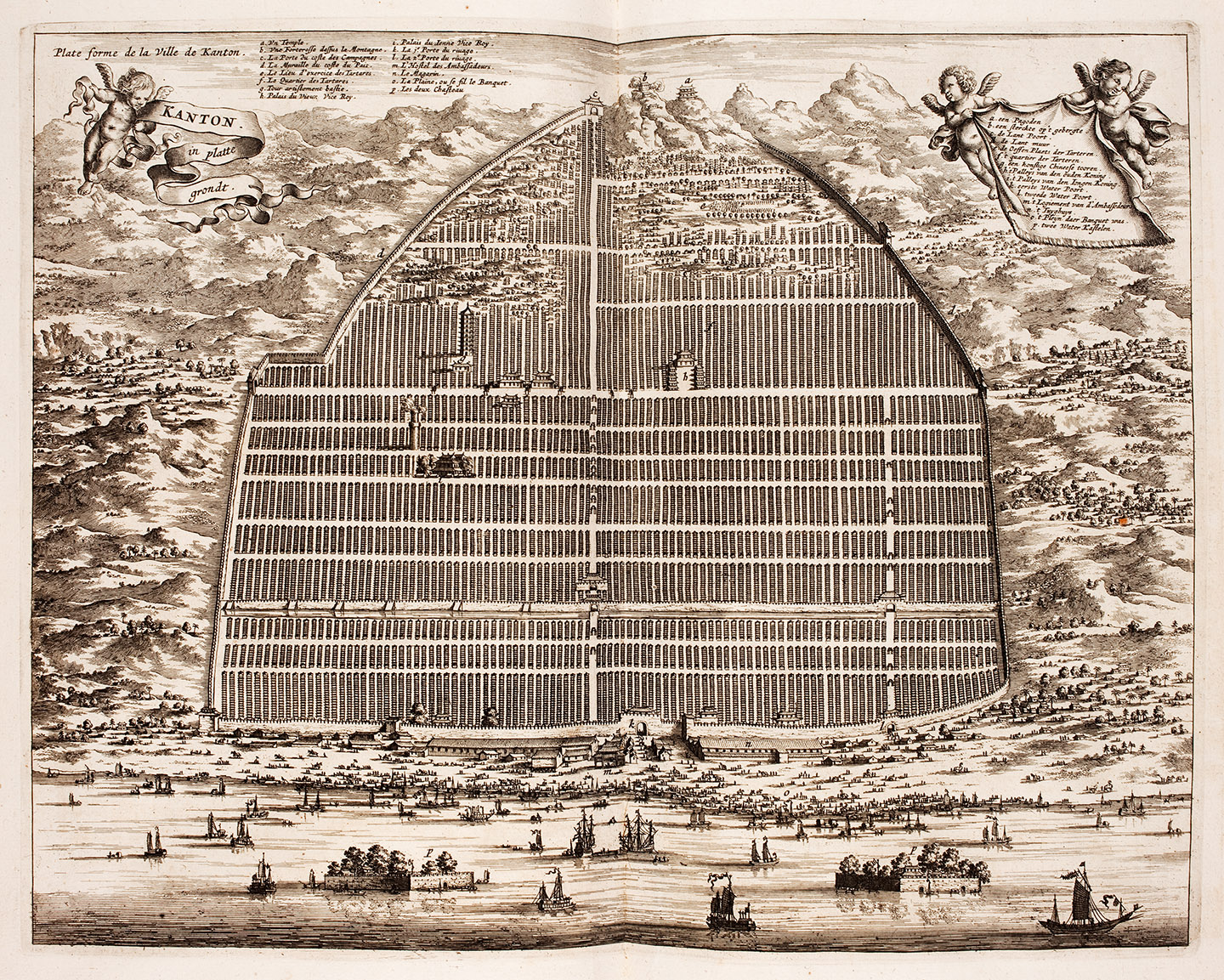
“Under the dome of the blue sky and across the records of three continents, the sound of the swelling sea rings true to all merchants around.” The ancient Maritime Silk Road once began on China’s Southeastern coast; it curved around the Malay Peninsula, went across the Indian Ocean, up the red sea and arrived in Northern Africa, Europe and the Middle East. It was in itself a cultural phenomenon: an economic and cultural exchange where multiple religions co-existed and all prospered. The Maritime Silk Road became the basis for China’s foreign trade and its main channel for cultural interaction. With trade came commerce, bringing development to all the countries along the Silk Road route. With the South China Sea as its center, and Ningbo, Quanzhou, and Guangzhou as starting points, the Maritime Silk Road formed some of the oldest trade routes in the world.

Unfolding across three distinct sections – the imagined, the reappearing, and the coast – Zheng Chuan’s “The Port of Ningbo – Fiction and Reality” takes an intricate and imaginative perspective on the transformation of Ningbo, one of Maritime Silk Road’s main ports.

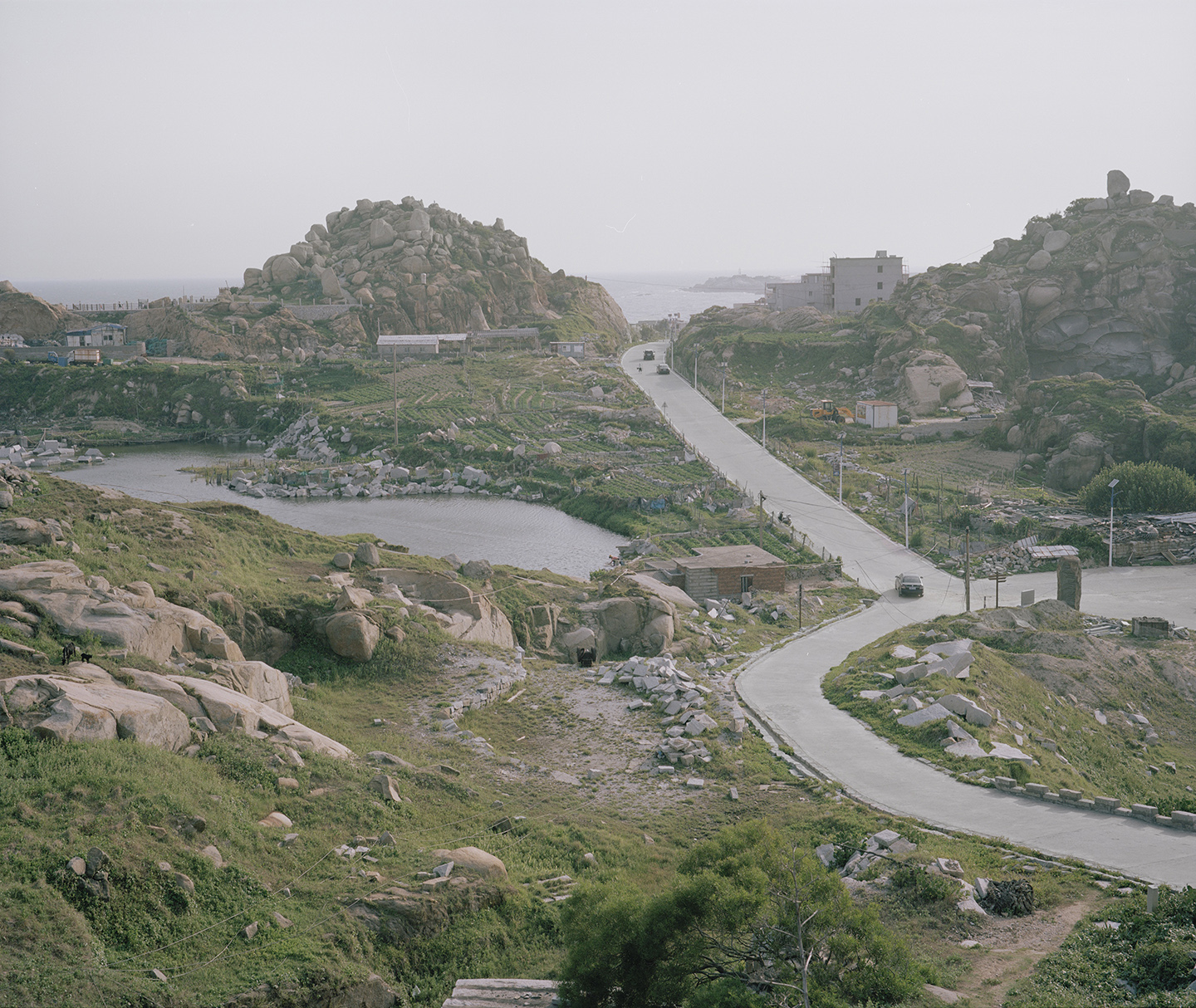
Zhu Lanqing in “Excavations of a Shipwreck” uses the discovery of a late Song Dynasty shipwreck on a beach nearby Quanzhou’s ancient Houzhou Harbor as a starting point. Positioning herself as if she was on the excavation team, Zhu Lanqing juxtaposes two different “excavations” together to reconstruct the history of the port of Quanzhou.

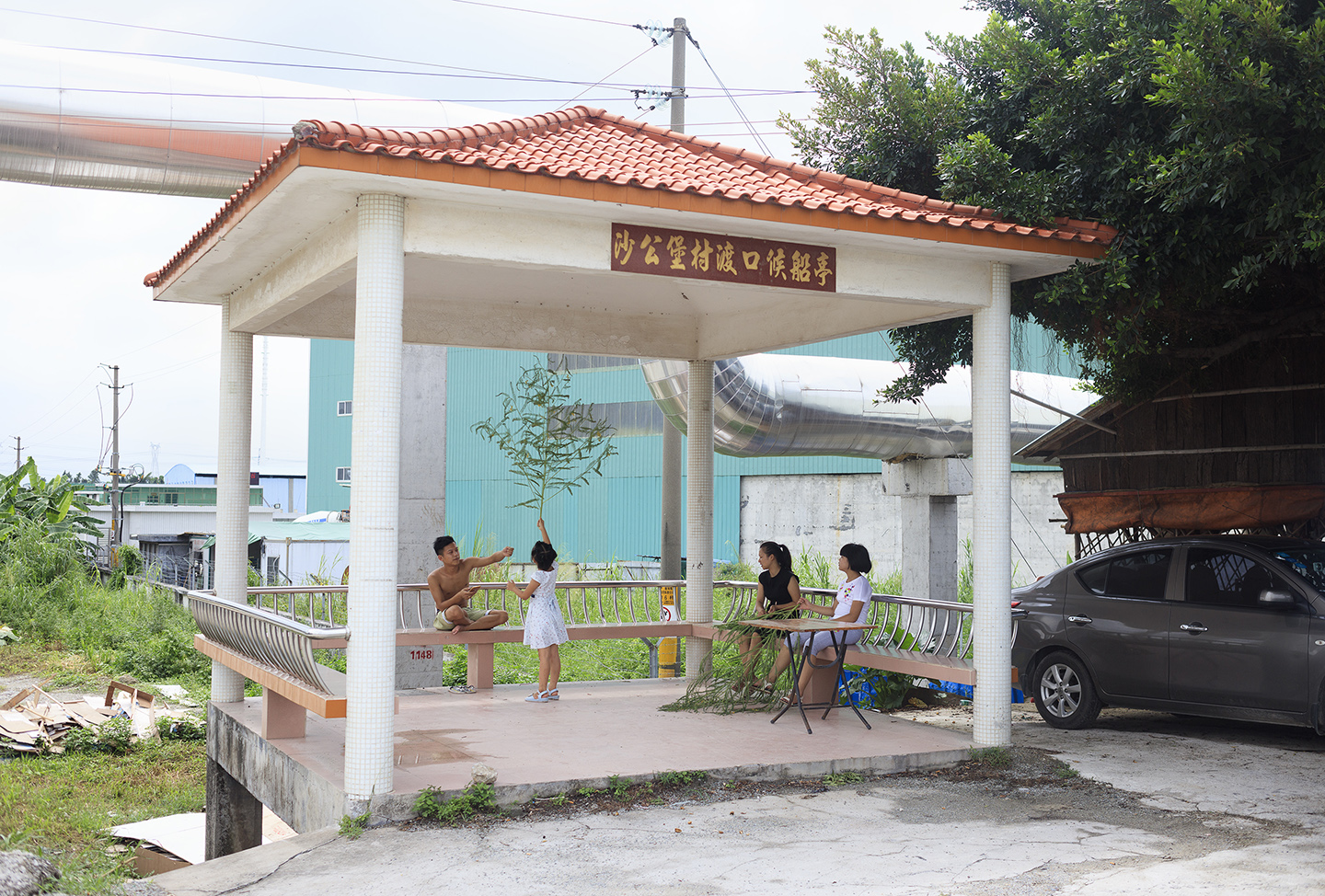
Chen Wenjun and Jiang Yanmei approach Guangzhou from two different angles: the former, through a series of photographs in “Wandering Through Guangzhou After 2000 years” and the later through a video titled, “Three Foreigners Doing Business in Guangzhou”. In both pieces the artists look at the role of Guangzhou as a site of historical East-West exchange and trade.

This edition of “The Port and the Image” also includes Nanjing. Ancient Nanjing was an inland hub for goods from western and central China on the Maritime Silk Road, and was also a connecting point between cities on the eastern seaboard. In 2012, Nanjing became part of the Maritime Silk Road UNESCO world heritage application. The only city in the application that is located in China’s interior, Nanjing is home to a large number of cultural relics and artifacts associated with the Maritime Silk Road. This includes ancient shipyards and docks, personal remains of ancient navigators, religious monuments, sites where foreign envoys arrived in China, tombs of foreign heads of State, ancient records, and historic, imported foreign goods.

Li Chaoyu, in his work “A Nanjing just like Nanjing”, compares the past and present of Nanjing, its history, and its role as an ancient inland port. His work discusses the reality of the problems that exist in China’s current strategy towards historical tourism.

Three of China’s major treaty ports, Shanghai, Hong Kong and Dalian have been witness to another side of history. The changes that each of these cities has undergone are highlighted uniquely through the projects of three different photographers.

Yang Yuanyuan, in her work, focuses on picking out the aspects of Dalian that best represent its recent historical background. Using specific sites in the city as an index, she reconstructs a story out of narrative fragments. Her work, “Dalian Mirage”, uses photographs, text and video to approach the complex issues of colonial history and how the function of urban spaces change throughout different historical periods.

In “Goods, Decades and Sense Shift” Xu Hao takes a typological approach to how business functions as regimes change. Using symbolic objects from a second-hand market, he creates a self-narrating story. Each work is set against a different background to incite different meanings in each new context.

Huang Zhenwei in “Timeless Boundary – Hong Kong” creates a work about Hong Kong that integrates photography, sound samples, text, and other media. He focuses on daily life in Hong Kong’s Victoria Harbor, using it as a sample to create a surreal urban space that has no dimension of time.

“The Port and the Image: Documenting China’s Harbor Cities” in not only a visual archive of China’s port cities, rather it is a dynamic series of synthesized multi-media research on the culture of port cities in a modern, globalized world. With the support of the China Port Museum in Ningbo, this biannual project allows viewers both online and in the museum to have a better understanding of the history, landscape, and cultural diversity of China’s port cities.

Beautified China: An Architectural Photo Essay

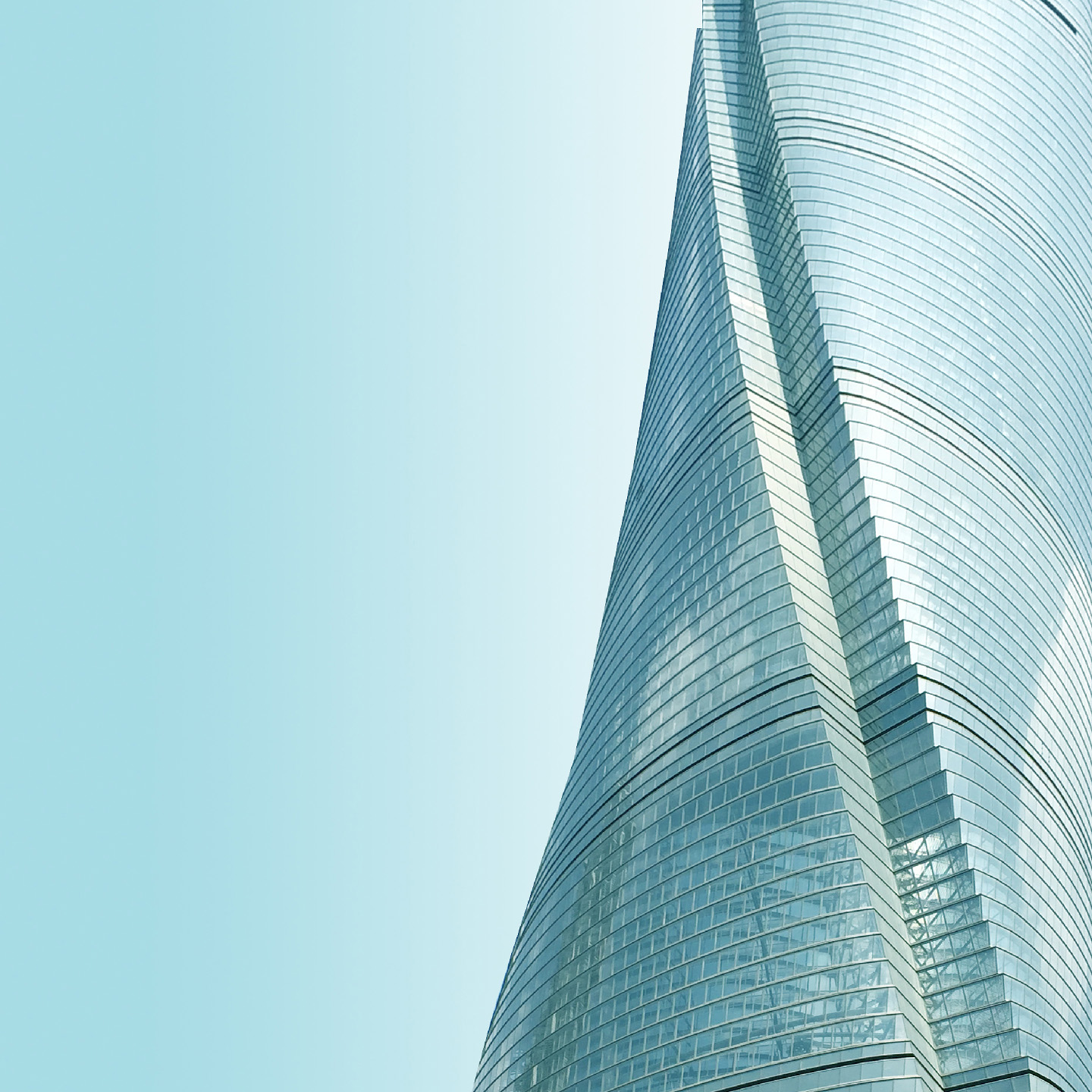
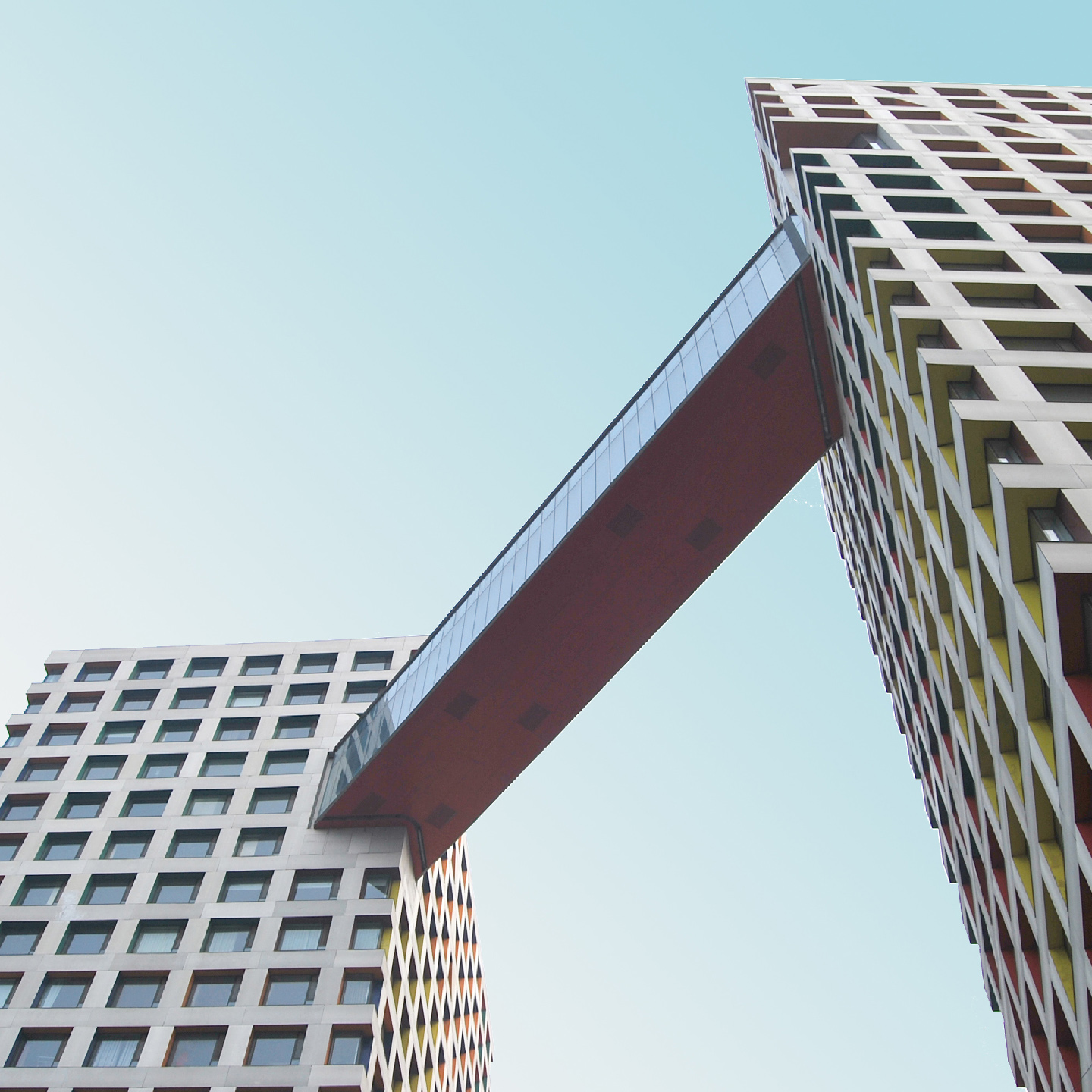
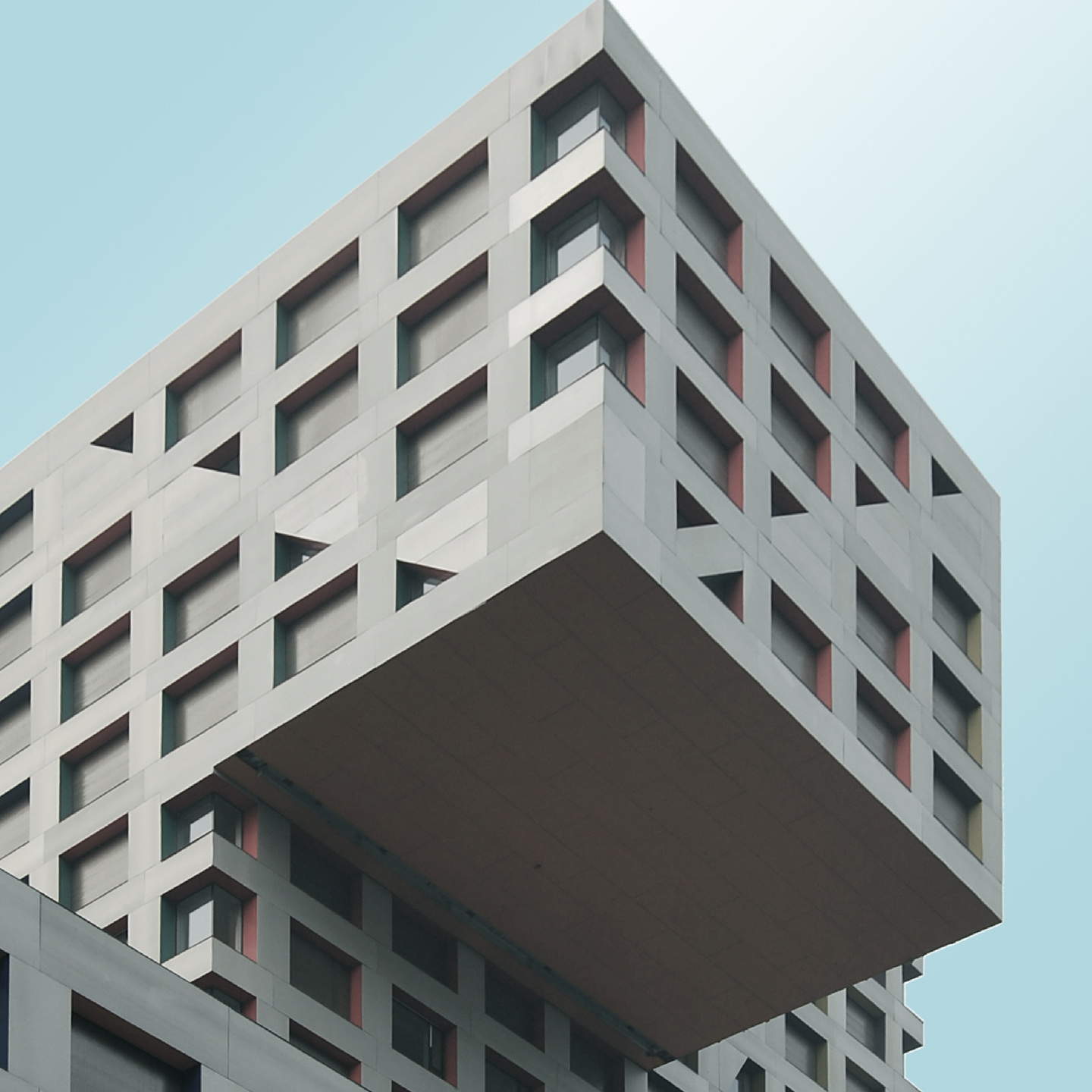
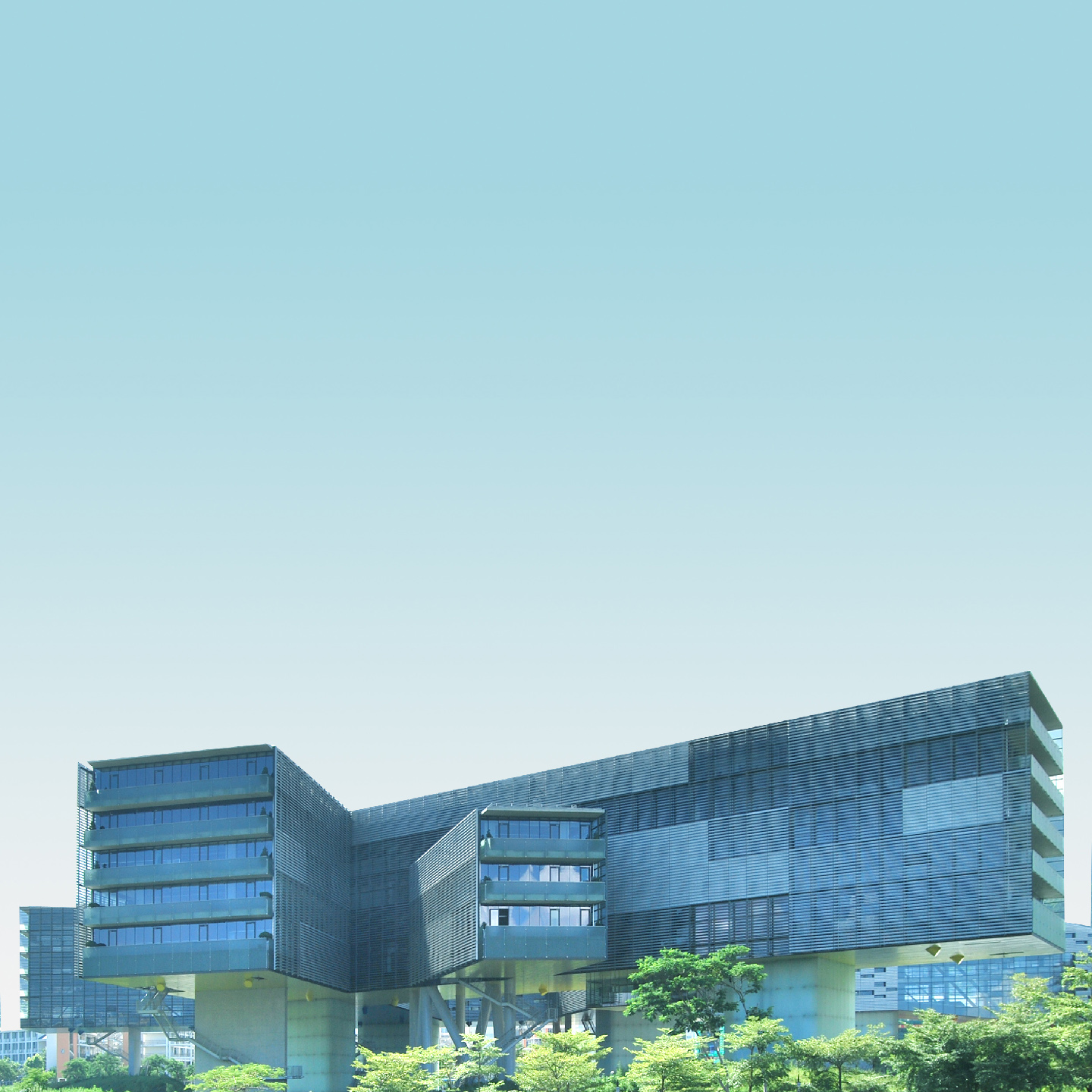
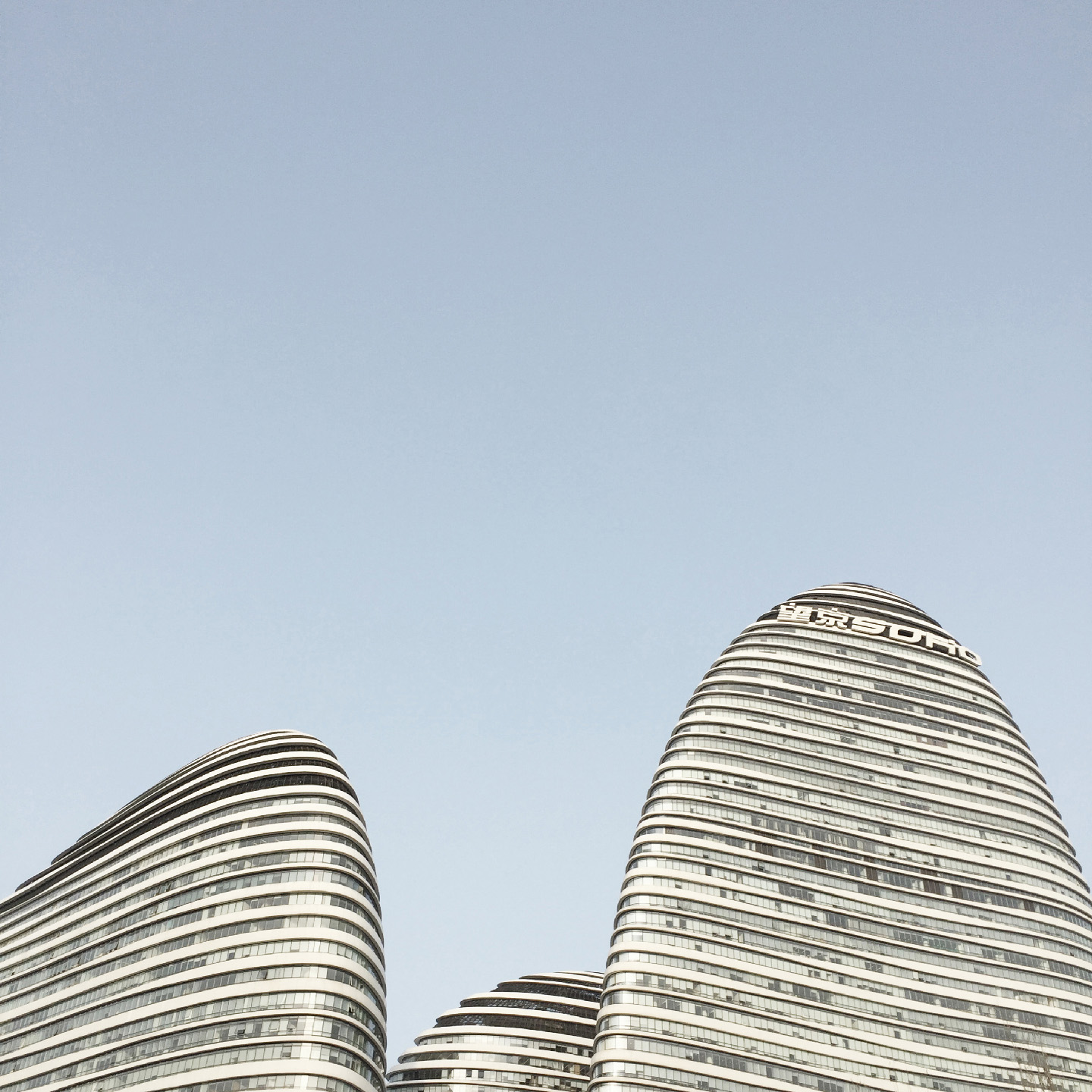
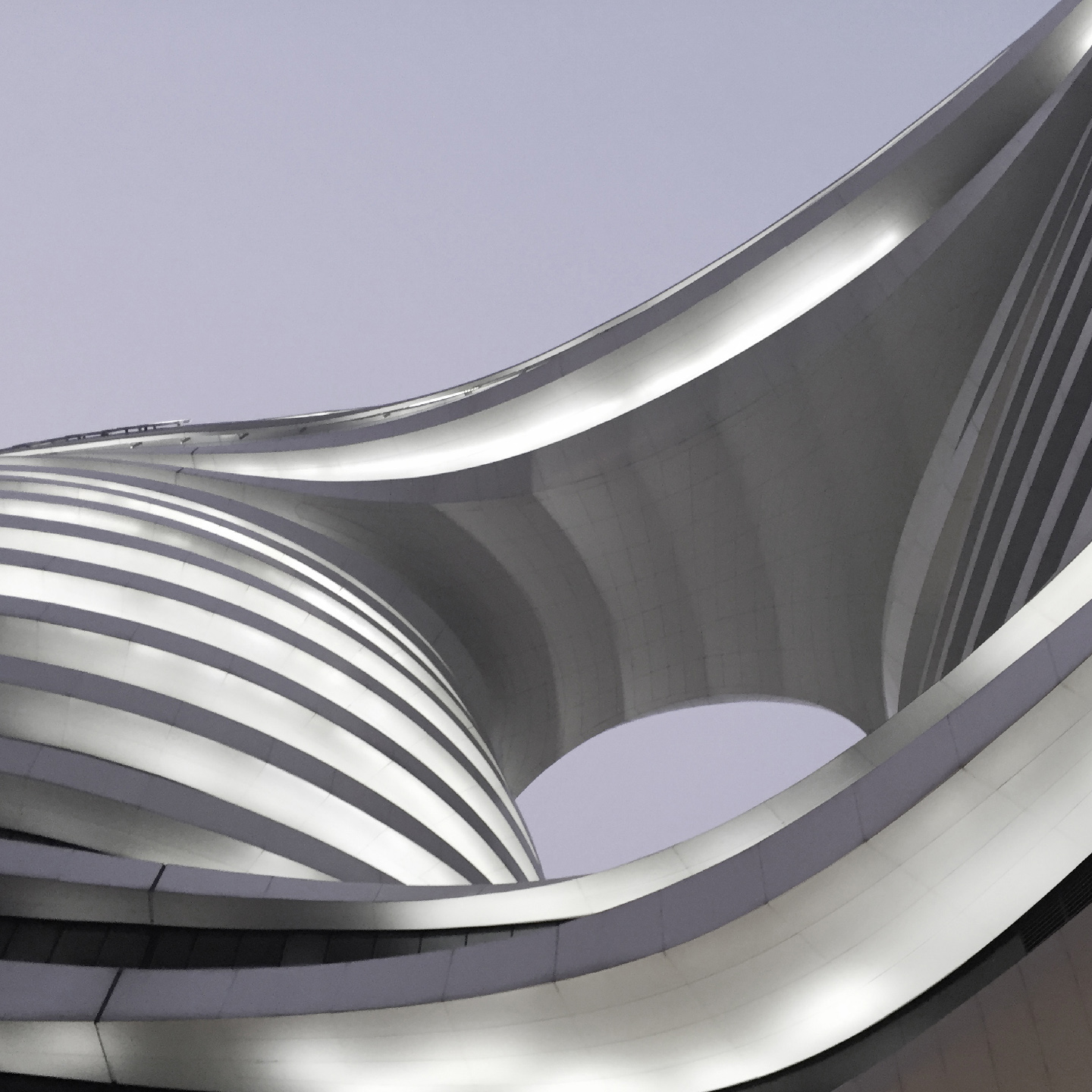
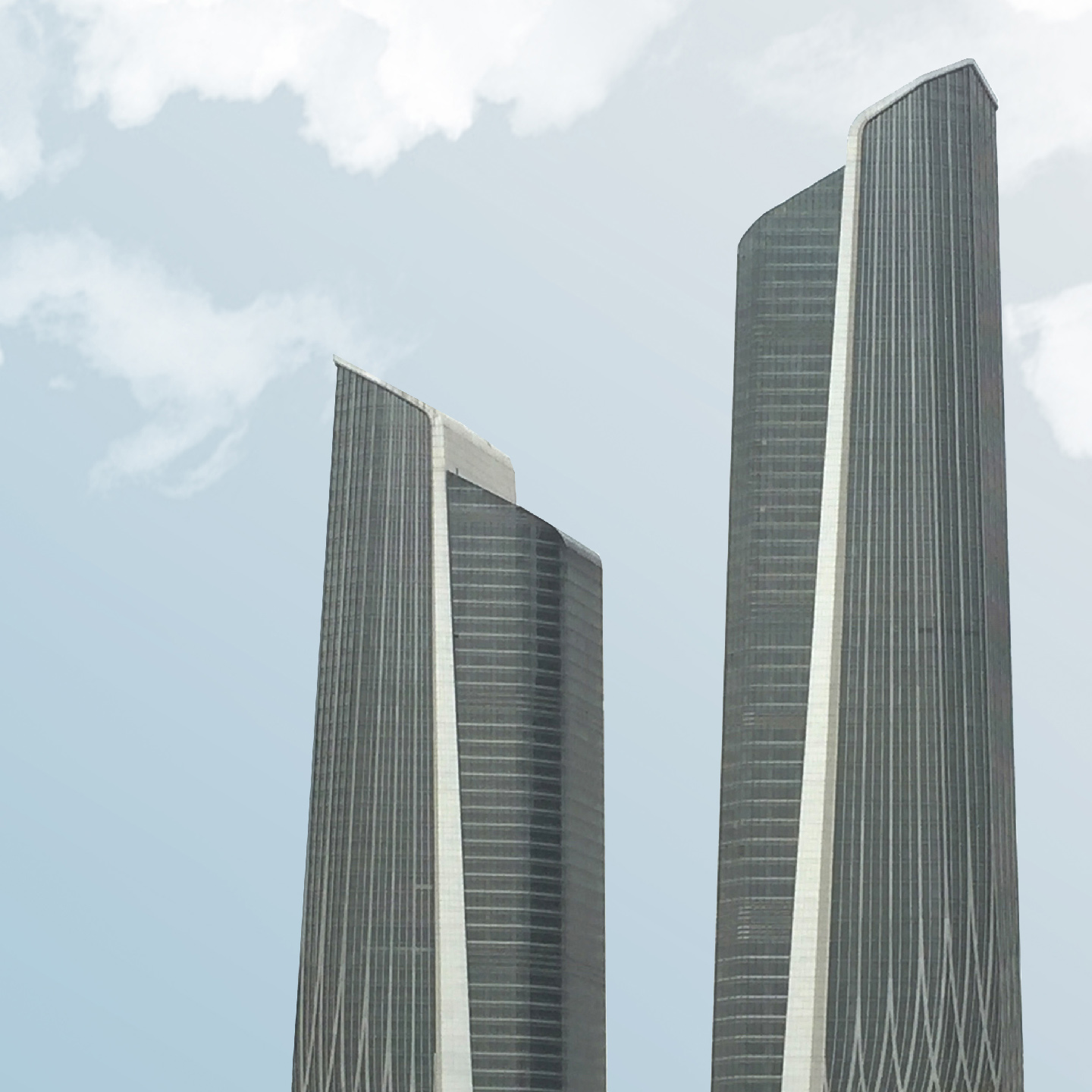
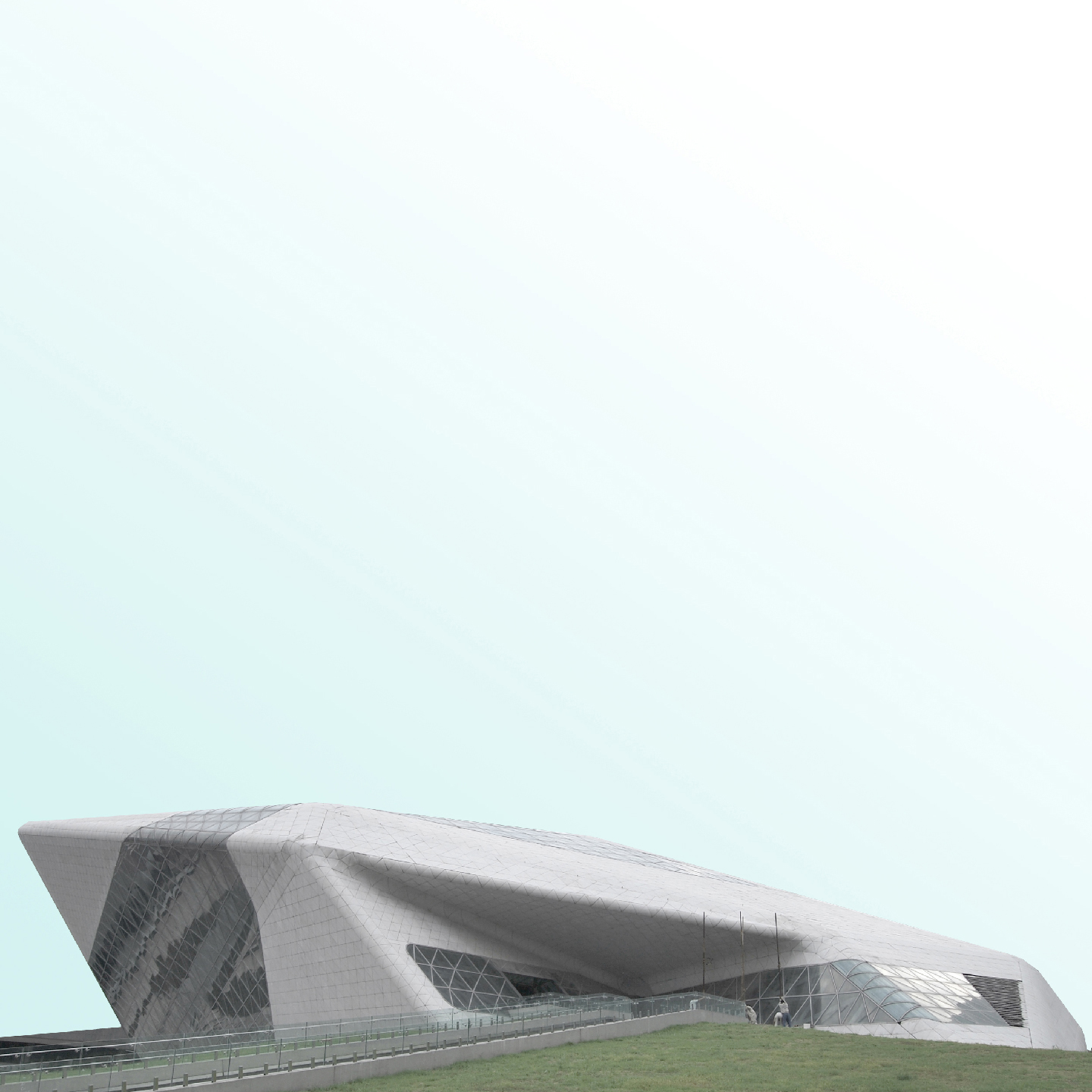
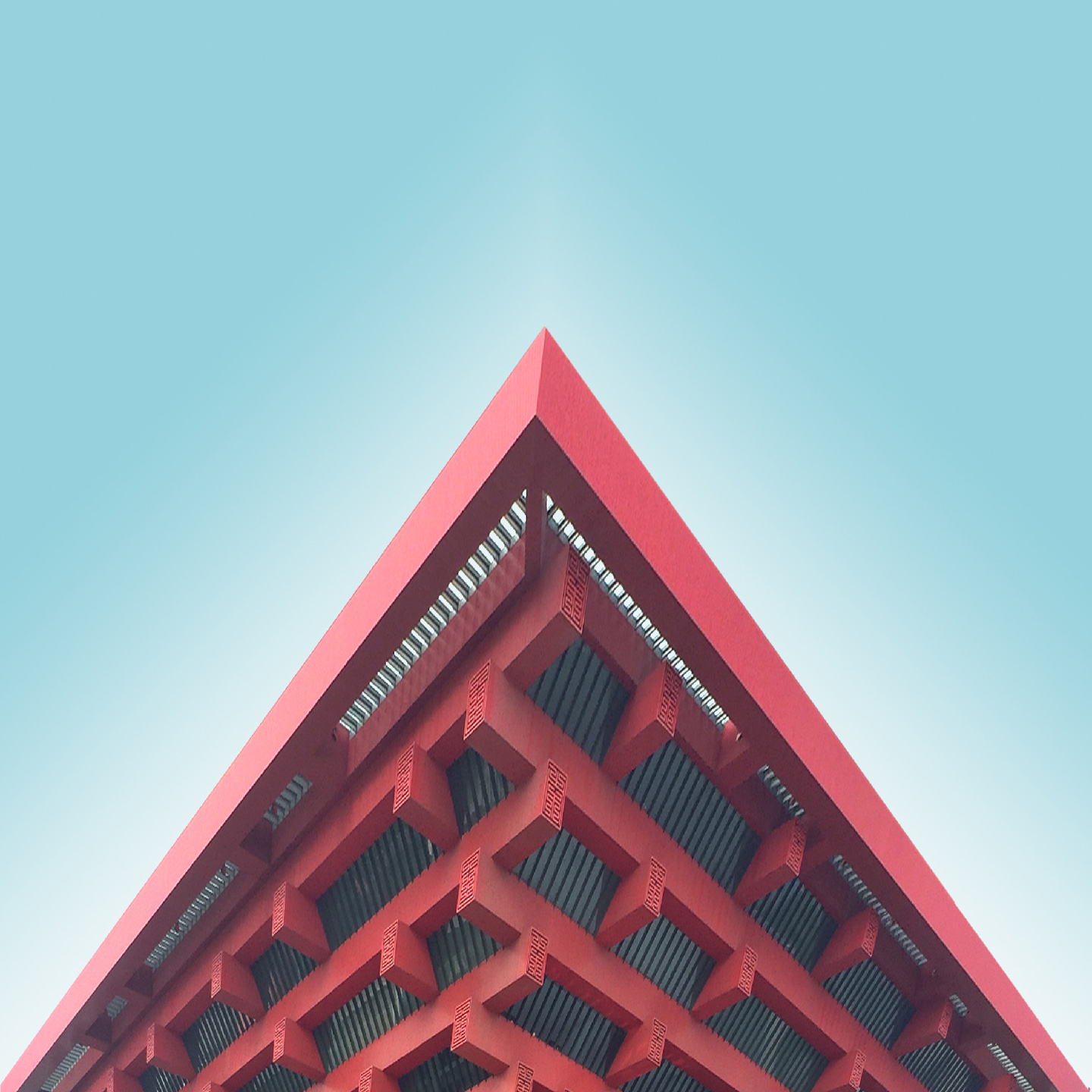
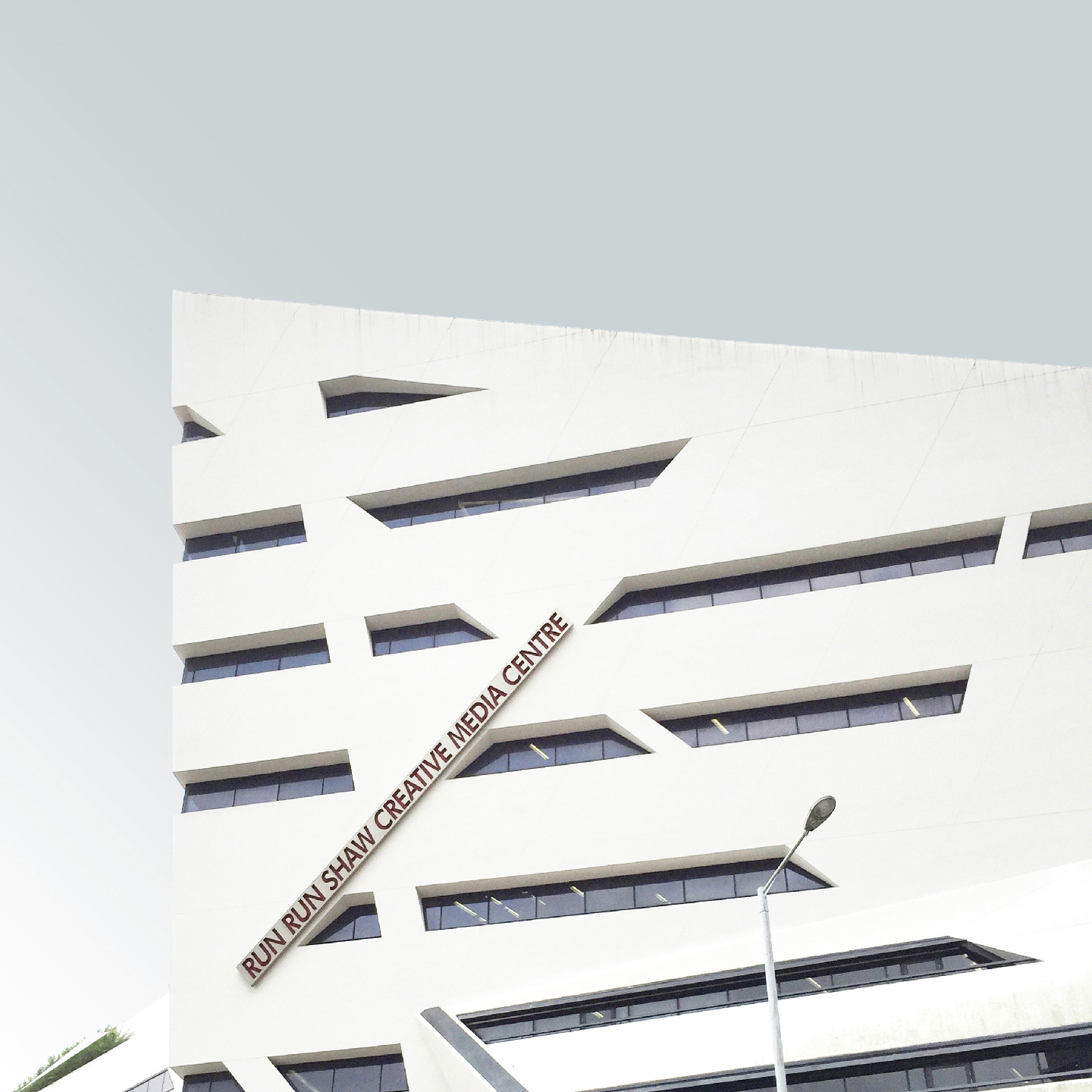
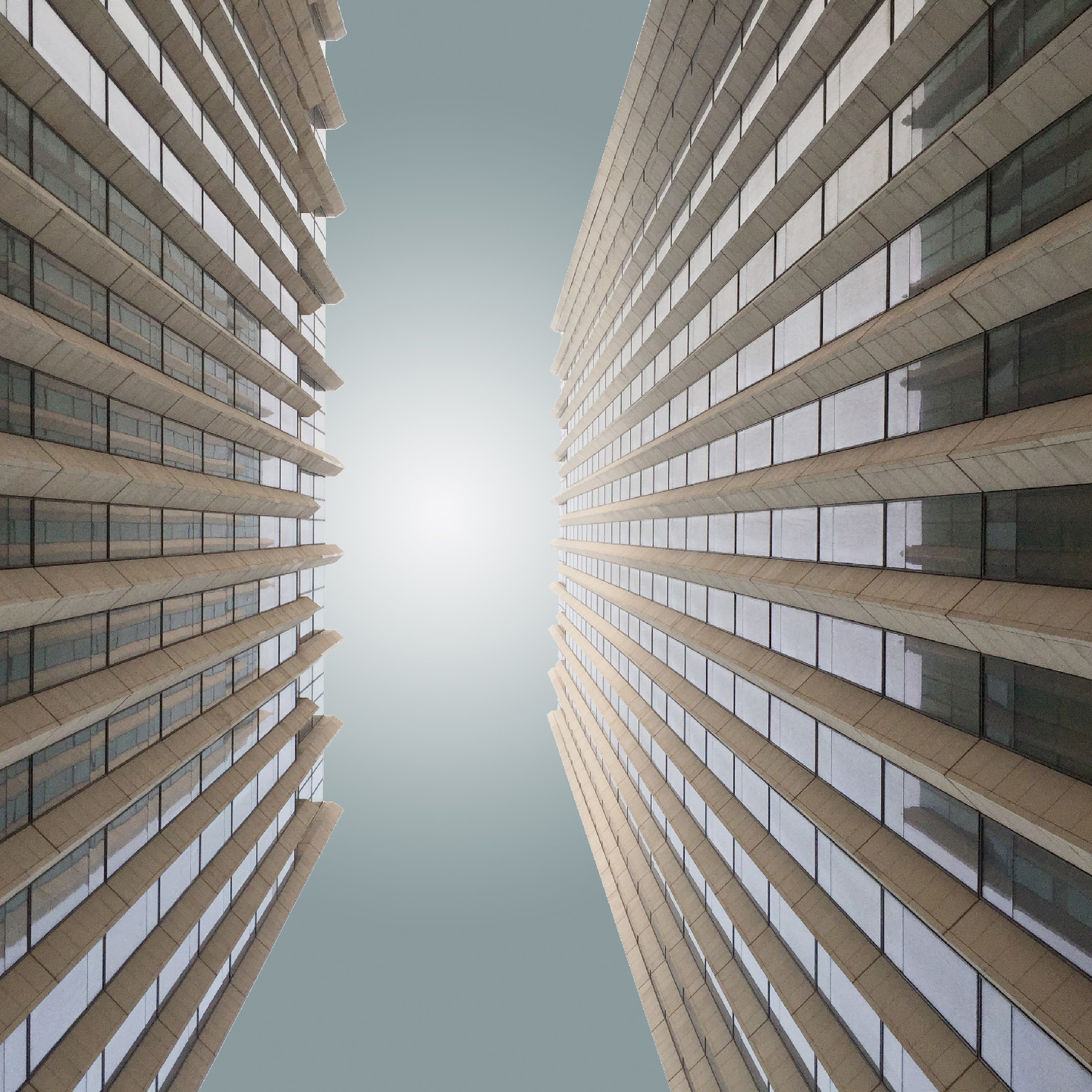
During the last decade, China has experienced a massive building boom of iconic architecture, witnessed by photographer and architect Kris Proovost, a China resident for more than 7 years now. Many ‘starchitects’ like Zaha Hadid regarded China as their design laboratory, and were attracted here to implement their bold projects. During the building boom, almost every Chinese city wanted an iconic landmark made by celebrated architects in the hope it would put their city on the map, thereby bringing more attention and resources. 

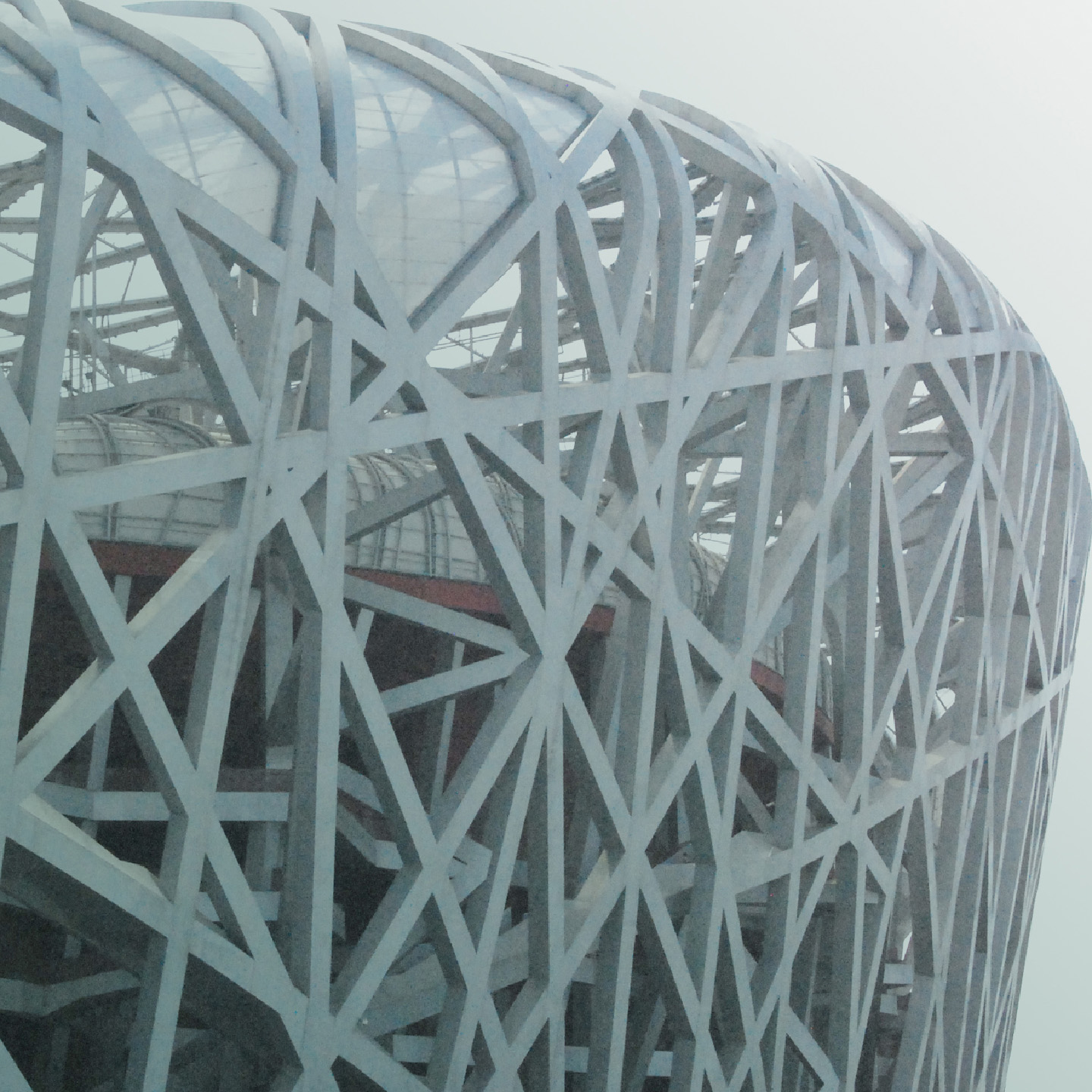
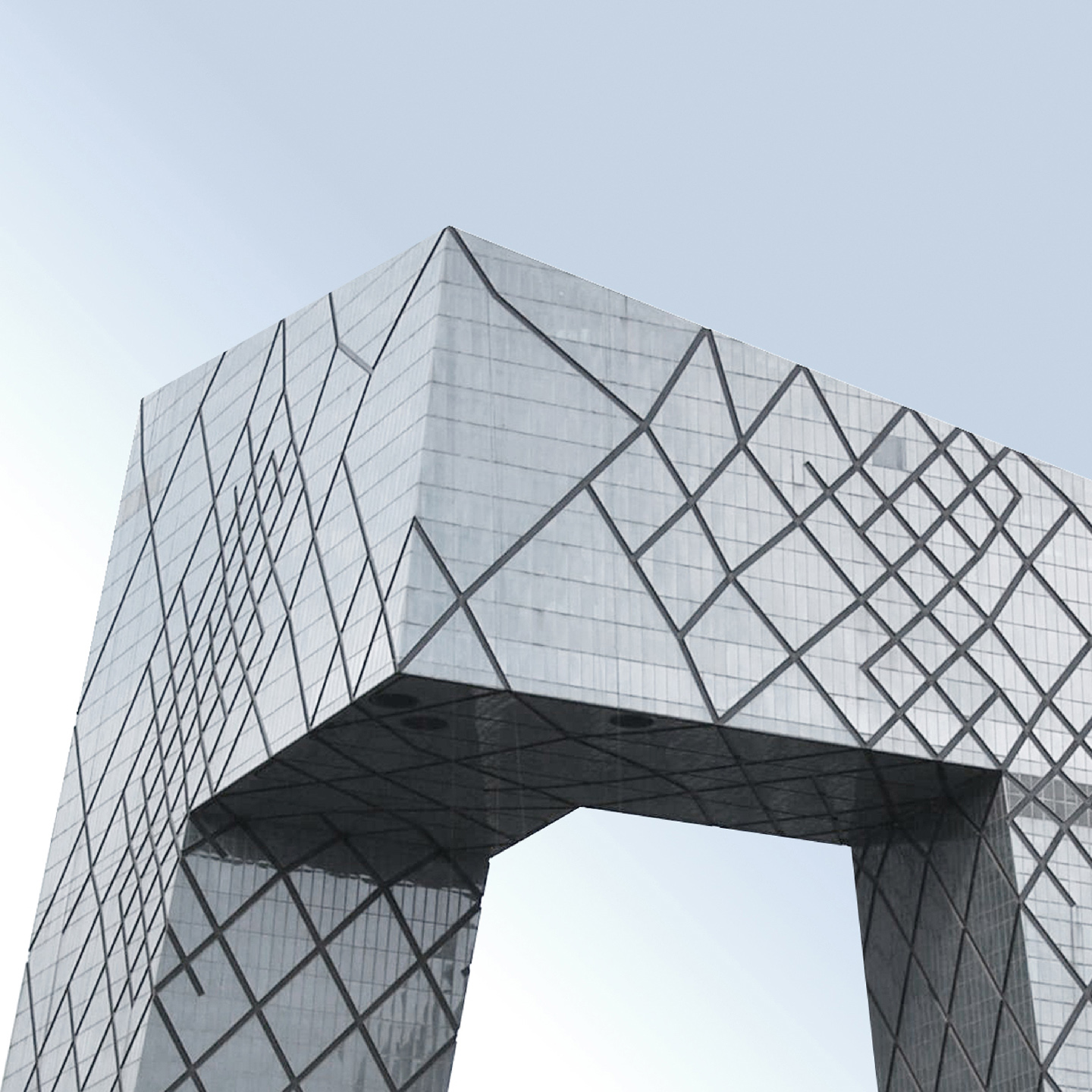
A decade later, some of these iconic structures are built, and have delivered the wished-for focus of a city, for example, Beijing’s CCTV headquarters by Rem Koolhaas and Ole Scheeren, or the Bird’s Nest/National Stadium by Herzog and de Meuron. Nevertheless, according to Proovost, many of the architects failed to adequately consider the building’s integration in its surrounding context and thus attracted considerable controversy. Now, China’s State Council has said no to architecture that is “oversized, xenocentric, weird” and devoid of cultural tradition, as reported in the New York Times.

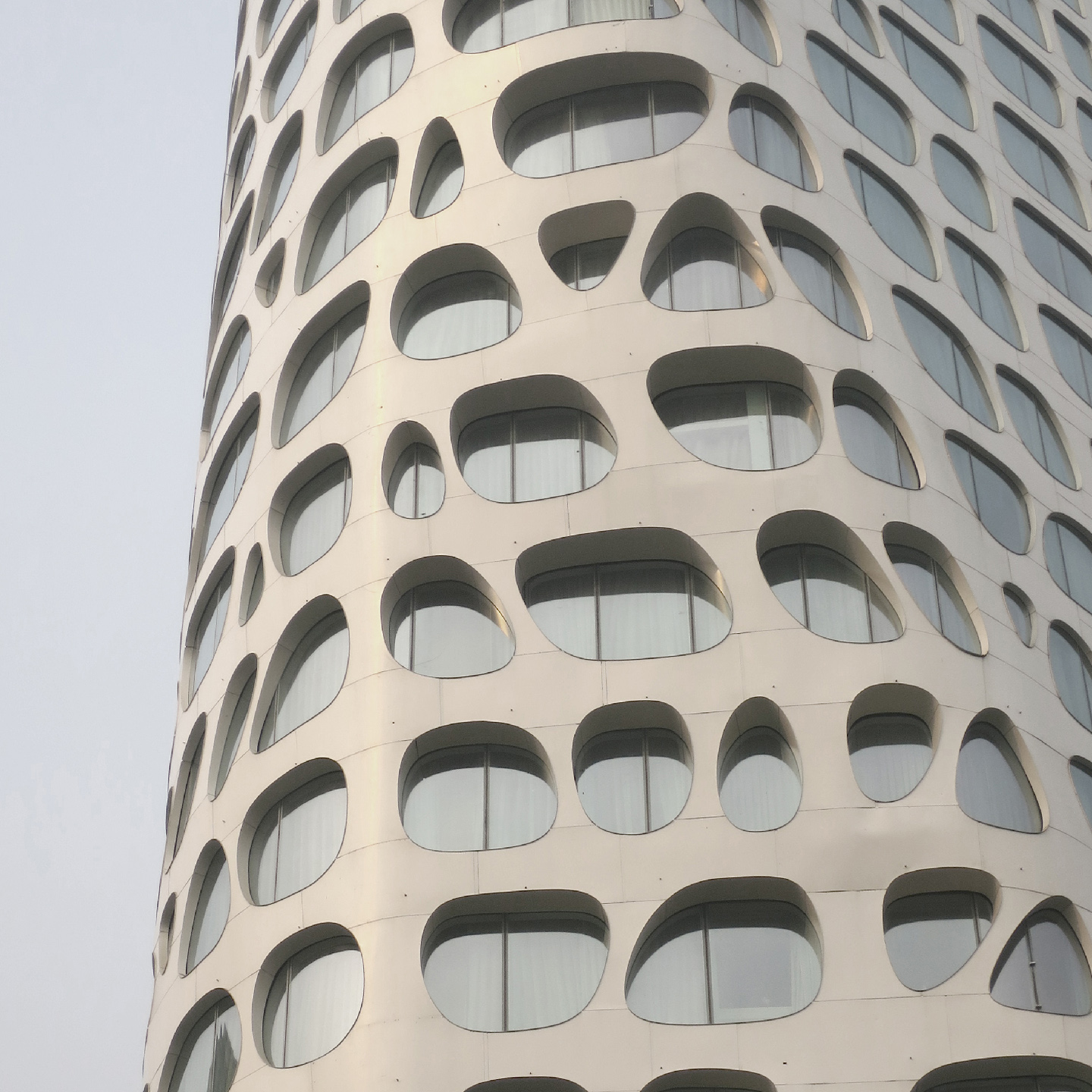
Proovost’s  Beautified China” series is deliberately shot to exclude the context and leave the buildings as purified objects. Are they still architecture, or should they rather be seen as oversized products? Through this series of photographs, Proovost raises an interesting question: “Should the fact that architects or visitors are more likely to know the location of a new building by Steven Holl or Zaha Hadid Architects, rather than an ancient temple, be a worry? Does this denote success or superficiality?”


Residential mobility in Shanghai

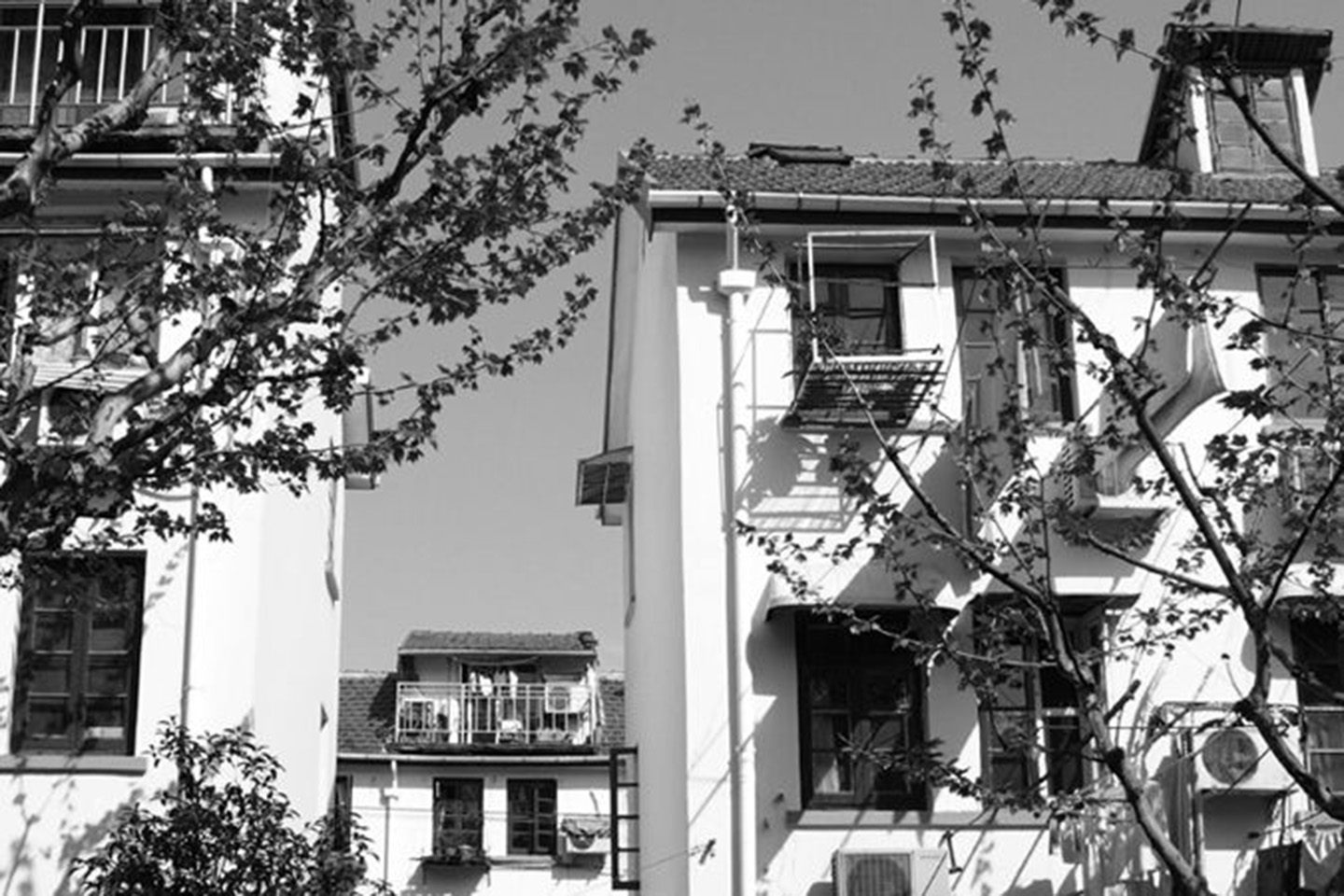
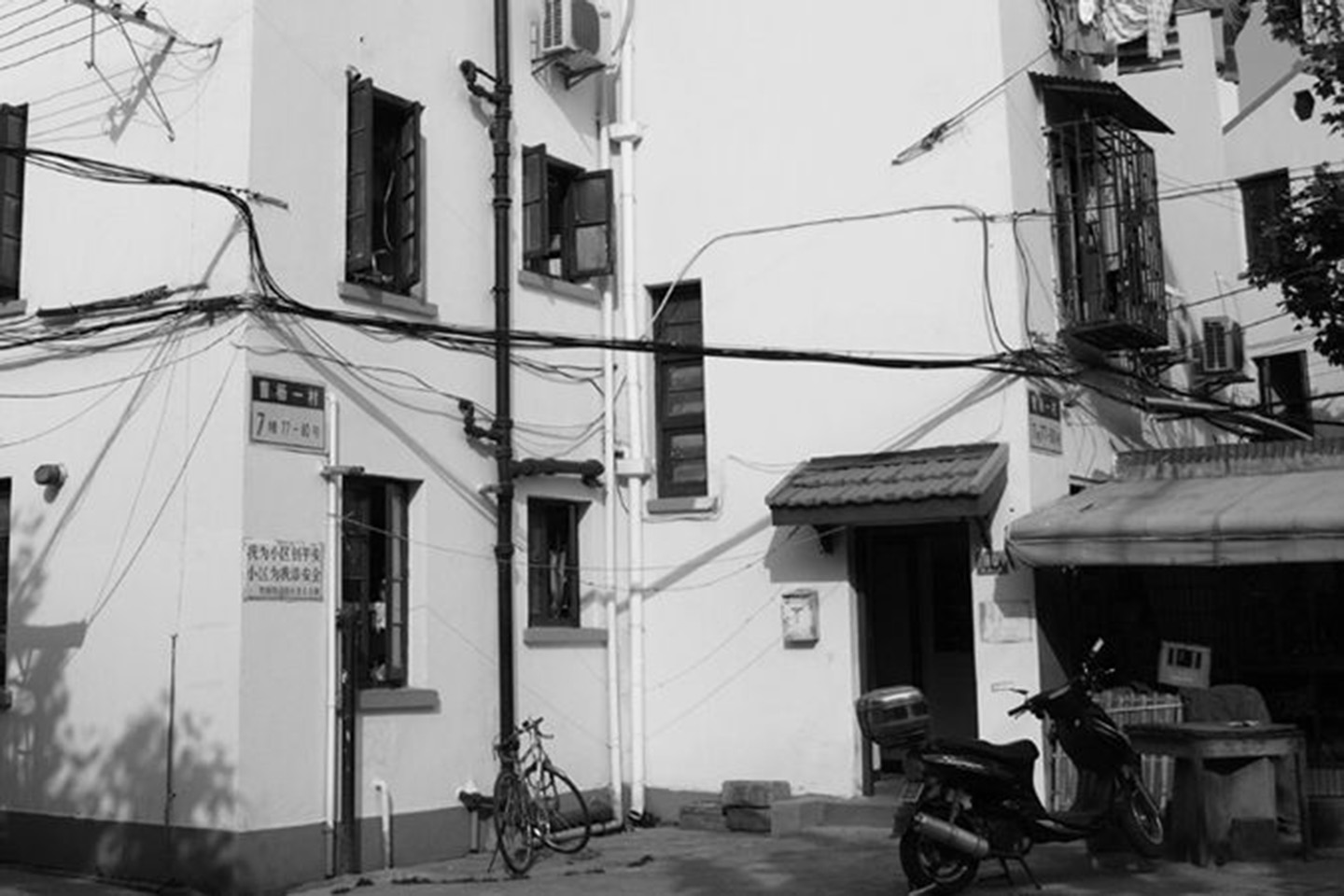
Since the late 1990s, the reform of state enterprises and the growth of the real estate market have led to high residential mobility in the working-class neighborhoods of Shanghai. Through the case of Caoyang city No. 1, urban planner and architect Chen Yang, author of a recent essay on the subject, interviewed two categories of people (native inhabitants and rural migrants) about two main issues: the circumstances of this mobility and its consequences.

Caoyang city No. 1, a community project under the socialist danwei system

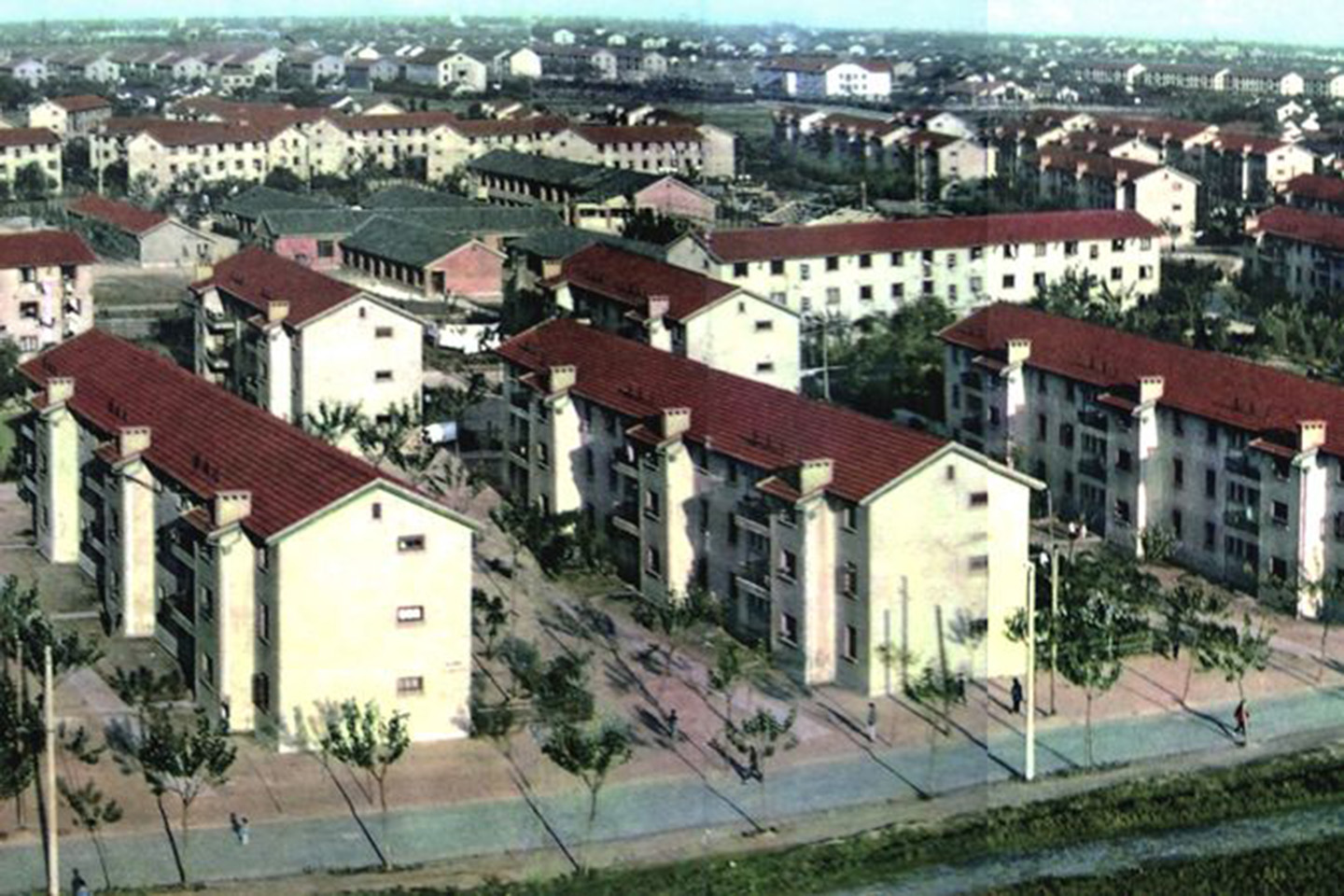
The Caoyang quarter is in Putuo district, near the former industrial zone at the west of Shanghai (Puxi). It consists of nine housing estates built successively between 1951 and 1978. Located in the city center, the first city (Caoyang No. 1), with an area of 10.8 hectares, was a flagship project of the Chinese Communist Party (CCP) after it came into power in Shanghai in 1949. The 1002 housing project in Caoyang No. 1 was given to the workers of large state enterprises. Most of the native inhabitants were “model workers” (laodong mofan), or even “advanced workers” (xianjin gongzuo zhe), strictly selected from the textile and industry sectors.

From this experimental project, the Shanghai government began to establish a system of public housing (1949-1978) which was financed and built by the state government, subsequently distributed by work units (danwei), and finally managed by the Office of Property Management (BGI). The State was the owner of the housing and the usage rights belonged to the working unit which distributed them free of charge to their employees and workers. The maintenance and rehabilitation of public housing was the responsibility of BGI, to whom the residents paid a modest monthly fee. In Caoyang the inhabitants, who were often colleagues from the same work unit, formed a “community submitted to the danwei system” (danwei zhi shequ); social composition was fairly homogeneous in terms of age, occupation and status. (map of Caoyang)

Under the danwei system, residential mobility was low. This can be explained by several factors. First, occupational mobility, the main factor of residential change, was very rare. Moreover, from 1950-1970 in Shanghai, the average area of individual housing was less than 4 m². As a result, such narrow housing could not be easily divided despite the arrival of new generations. In addition, during the socialist era, rather than being considered “property” in today’s terms, property was freely distributed by the local danwei like tradable “goods” between individuals. In this community under the danwei system, the relationship between people and their housing was an extension of the relationship between workers and their work units. Thus, the working class families of Caoyang city No. 1 were subjected to a “double dependency” towards their danwei, which served as both their workplace and their residences.

Caoyang in the new socio-economic context of Shanghai from 1990

The social structure of the danwei system community was disrupted after a series of socio-economic transformations in the 1990s. Foremost among these changes was the reform of State enterprises, which caused the “commodification” of housing and a massive rural exodus. Since the mid-1990s, the reform of State enterprises in Shanghai has caused a sharp rise in unemployment among workers. Caoyang city No. 1, whose inhabitants are largely from industry and textile fields, has been profoundly transformed. The reform caused high job insecurity among the workers as well as a definitive rupture of ties with their work units. However, this break has also given them some professional freedom. Thus the first barrier to residential mobility, dependence on their work unit, was largely lifted. In 1998, the reform of public housing initiated in Shanghai ended the distribution of housing by the danwei and workers were able to buy rights of usufruct on properties previously provided by their work unit. As public housing initiatives became commoditized, many city residents transitioned from being tenants to new “usage rights holders”. The duration of new property contracts, however, still remains limited to 70 years.

While the wealthy families in Caoyang city No. 1 were able to directly buy the usage rights from their work unit, others with less financial means obtained the “right of permanent residence”, a tacit concession offered by the BGI in light of the disintegration of their work unit. Many of the original inhabitants have remained in their original places of residence. If the liquidation of the danwei system and the reform of public housing favored residential mobility in Shanghai, demand in the real estate market however remained very strong due to the influx of migrants from 1990. Rural workers (nongmingong) flocked to Shanghai. According to the annual surveys of the residents’ committee (juwei hui), the population of rural migrants in Caoyang city No. 1 went from 0.9% in 1996 (46 people) to nearly 40% (1,800 people) in 2010, with an annual growth rate of about 27%. As the area of inhabitable space in the city was extremely limited, the increase of the migrant population here can be explained by the fact that many of the original residents left Caoyang city No. 1 during the last decade, further demonstrating their increased demographic and residential mobility.

Survey on social form and social impact of residential mobility in Caoyang City

In June 2010, more than 50 interviews were conducted with families living in Caoyang city No. 1 on two aspects of residential mobility: its circumstances and its consequences.

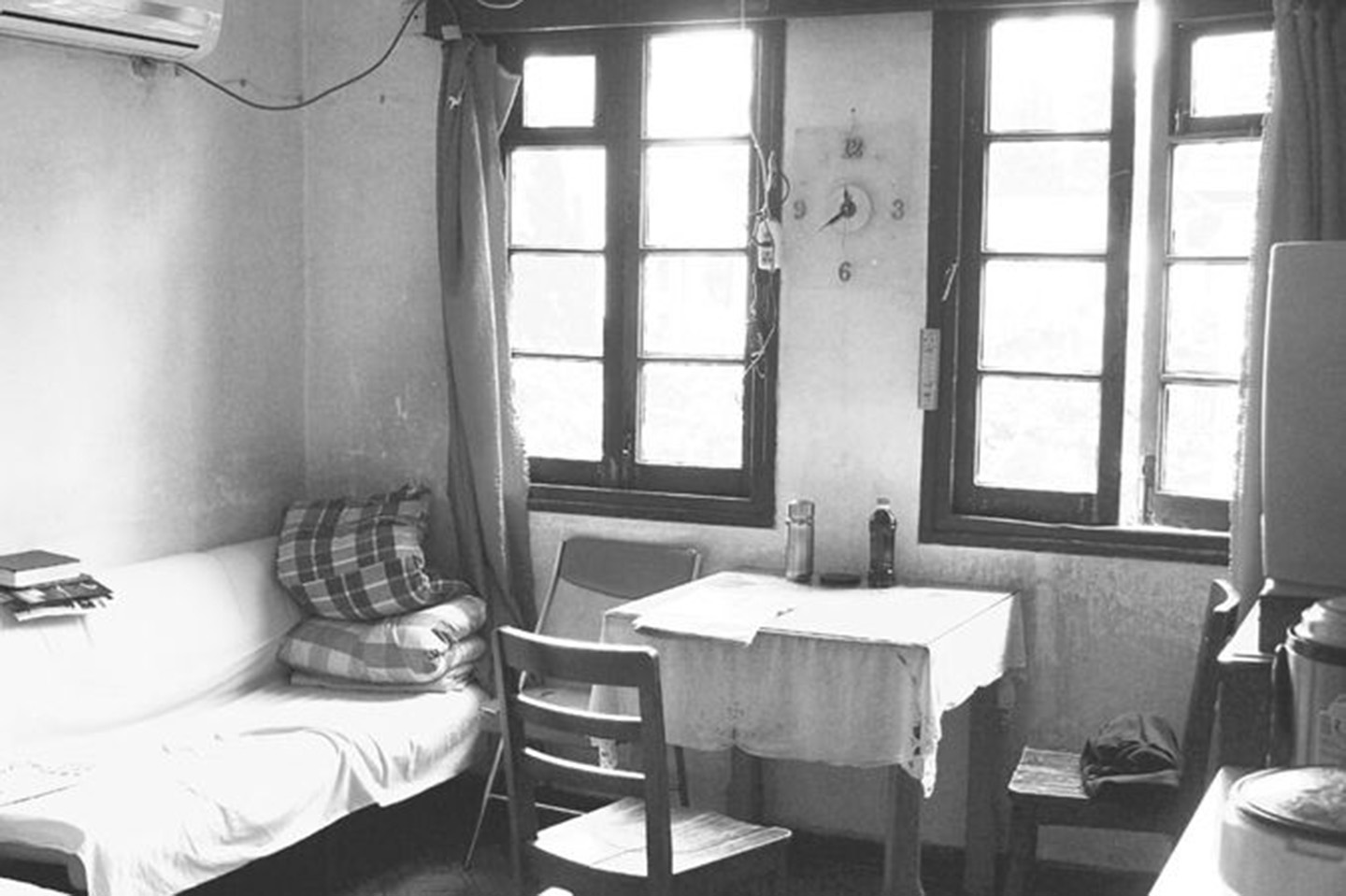
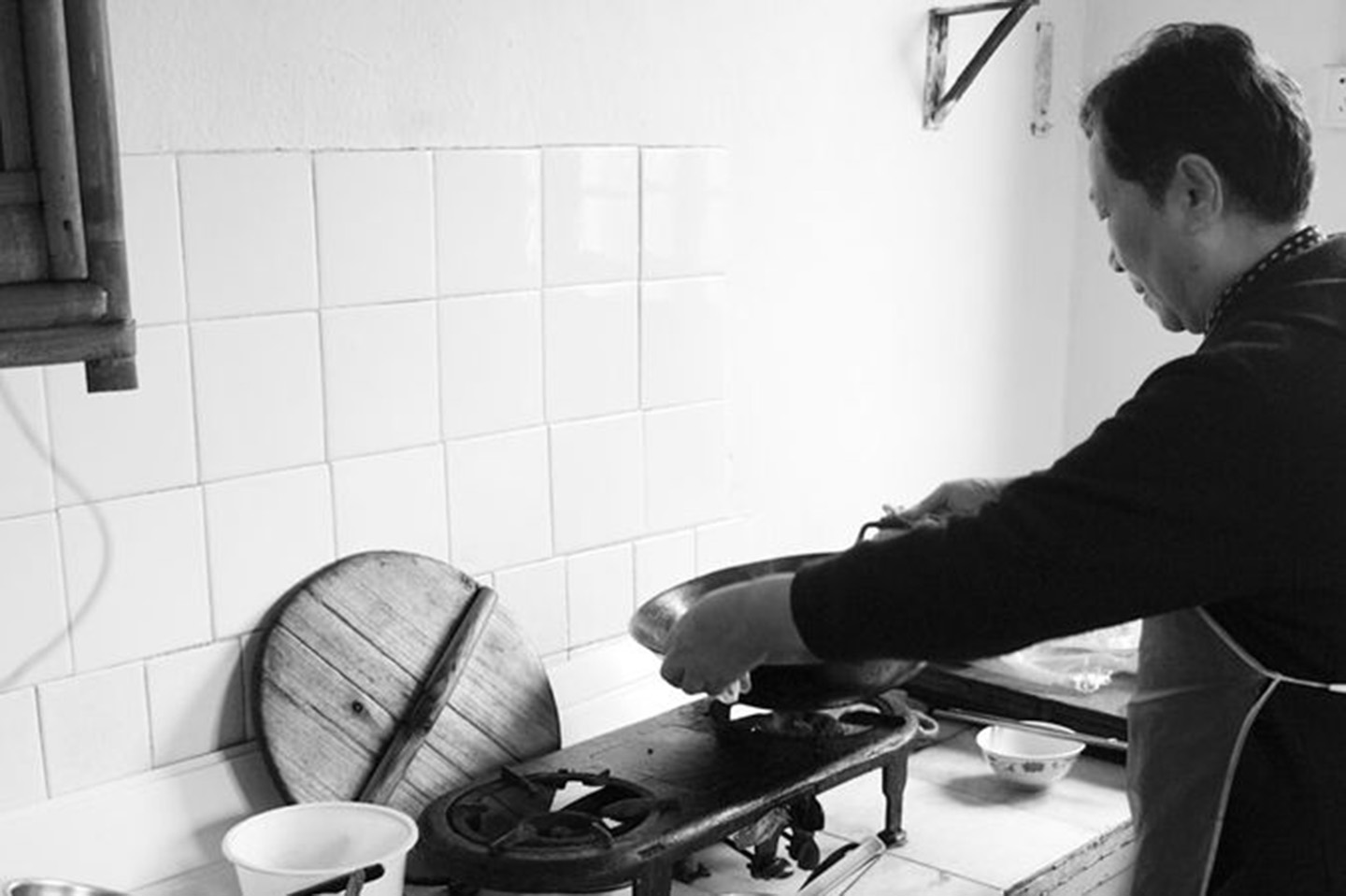
Residential mobility in Caoyang city No. 1 first appeared with the original inhabitants, who have now largely moved into surrounding city neighborhoods. This spatial proximity allows them to give assistance to friends and family members located back in the city. In addition, these residents frequently keep the hukou registration originally linked to their old addresses. This way, their children are still permitted to attend schools in the area and they will not miss out on any possible compensations resulting from the city’s future renovation. Yet another form of mobility leads to the modification of residential space. For more than half a century, each family in the city has found a way to expand its living space to meet the cohabitation needs of different generations: families on the ground floor changed the space of the courtyard by adding a bathroom or an extra bedroom; residents on the top floors built granaries on the roof; those on the middle floors exploited the corridors and storage spaces. Some families even divided a 12 m² room into 2 rooms. A third aspect of residential mobility is the change of status for some people. According to the 2010 statistics collected by the residents’ committee, about 200 families in Caoyang bought the usage rights to their properties from their work units. Even families who have not acceded to home ownership regret not having taken this opportunity at the beginning of the reform.

As for new residents, few of them have access to buying a home in the city today. This is both due to economic barriers as well as the marketing policy of public housing set up in 1998, which states that “the sale of a house in workers’ housing is reserved only to those with a Shanghai hukou”. In other words, to have the usage rights to a property, rural migrants must first obtain a Shanghai hukou, a major impediment for many migrants. Without one, they cannot change their housing tenure, even if they have the money and occupied their current homes for an extended period of time. The only mode of residential mobility granted to them is “relocation”, which often necessitates a change of job—a requirement that is especially difficult for young rural migrants that may already be in precarious job situations.

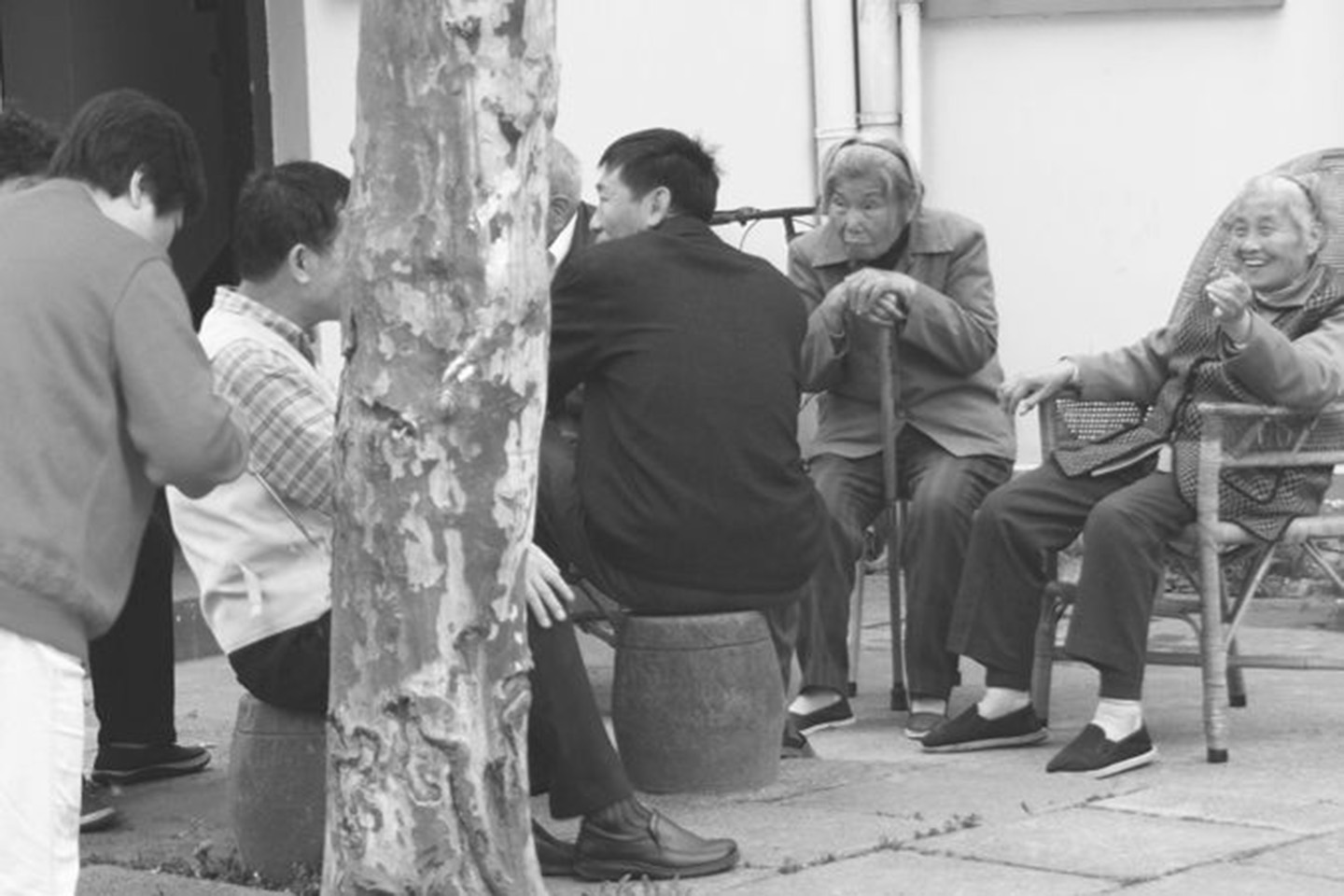
Caoyang city No. 1, an area that is well served by public transport with relatively low rents, attracts many migrant workers from poorer provinces such as Anhui, northern Jiangsu, and Jiangxi, as well as those working in the service sector at the bottom of the social ladder. One of the consequences of residential mobility in Caoyang city No. 1 is that the community subjected to the danwei system has gradually become a mixed, heterogeneous, and divided community between original inhabitants and newcomers. The native residents have a predominantly negative attitude towards rural migrants. This attitude can largely be explained by their different habits and lifestyles. The exodus of a segment of the original community in the wake of social reform coincided with the arrival of large numbers of migrants, and as a result, many natives blame the deterioration of environmental quality on new incoming migrant residents. The only way for them to also escape this situation would be to buy or rent a home outside the city, but those who stayed could not afford to buy. To some extent, this feeling of helplessness reinforces their hostility to the new inhabitants.

The difference in language, lifestyle and residence status (hukou) makes it difficult for these new residents to integrate in the local community. Even if they have lived here for more than a decade, they still often fail to build relationships with their Shanghainese neighbors, still considering their homes as temporary abodes, and as such, often do not bother to maintain them.

Conclusion: a fragmented society

Since the late 1990s, the socio-economic reforms and the rural exodus to Shanghai have disrupted Caoyang city No. 1. The relocation of original inhabitants and the arrival of new residents consist of two relatively independent and contemporary processes. The impact of residential mobility did not completely destroy family networks and the old relationships of the neighborhoods. On the contrary, the regression of social and economic status has reinforced the dependence of the original inhabitants to their place of residence. Thus, delocalized residents always keep economic, social and emotional ties with their native city while new residents have difficulties integrating into the micro-society because of the language, lifestyles, precarious jobs, lack of family ties and good neighborliness. The identity of “migrant” is defined by the hukou system, which prevents this population from settling down both physically and psychologically in the city of Caoyang. The first community united by the danwei is beginning to be replaced by a more diverse and dynamic society, but the social and spatial changes have not yet produced a new standard social cohesion.

Living in Beijing: a suburban topography

This field research explores the housing situation in Beijing through a series of interviews aiming to juxtapose the living conditions of local residents and their housing typologies. Fifteen families or individual inhabitants living in different neighborhoods of the capital agreed to be interviewed in the privacy of their homes, to share their habits, their living conditions, their relationship with their homes and their immediate environment.

Initially aiming to expand our common understanding of the issues and challenges Beijing inhabitants face in relationship to their housing, this approach also revealed the hopes and daily pleasures of an urban life which at times is difficult. The analysis of the different housing typologies and construction types occupied by the interviewees also emphasized the changes the city has undergone in recent decades.

Through the singular stories of three families located in the outskirts of Beijing’s city center (Shunyi, Tongzhou, Changping), Mrs. Cyr presents us with the first results of her study. Her findings present a landscape where aggressive marketing strategies are contributing to the fragmentation of the social and physical environment, and seemingly prevailing over any long-term logic regarding the city’s urban development. In this case, image is at the chore of the transformation process of the city.

City Development in a Marketing Background

For more than five decades, urban housing has been managed by the Chinese government[1]. As a consequence of the introduction of property rights following land reform in the 1980s in China, housing has turned into a prized commodity. The Chinese real-estate market greatly benefited from this boom; numerous luxury-housing complexes have emerged throughout Beijing, creating a new image for the city and pushing advertising’s boundaries even further in an attempt to boost sales.

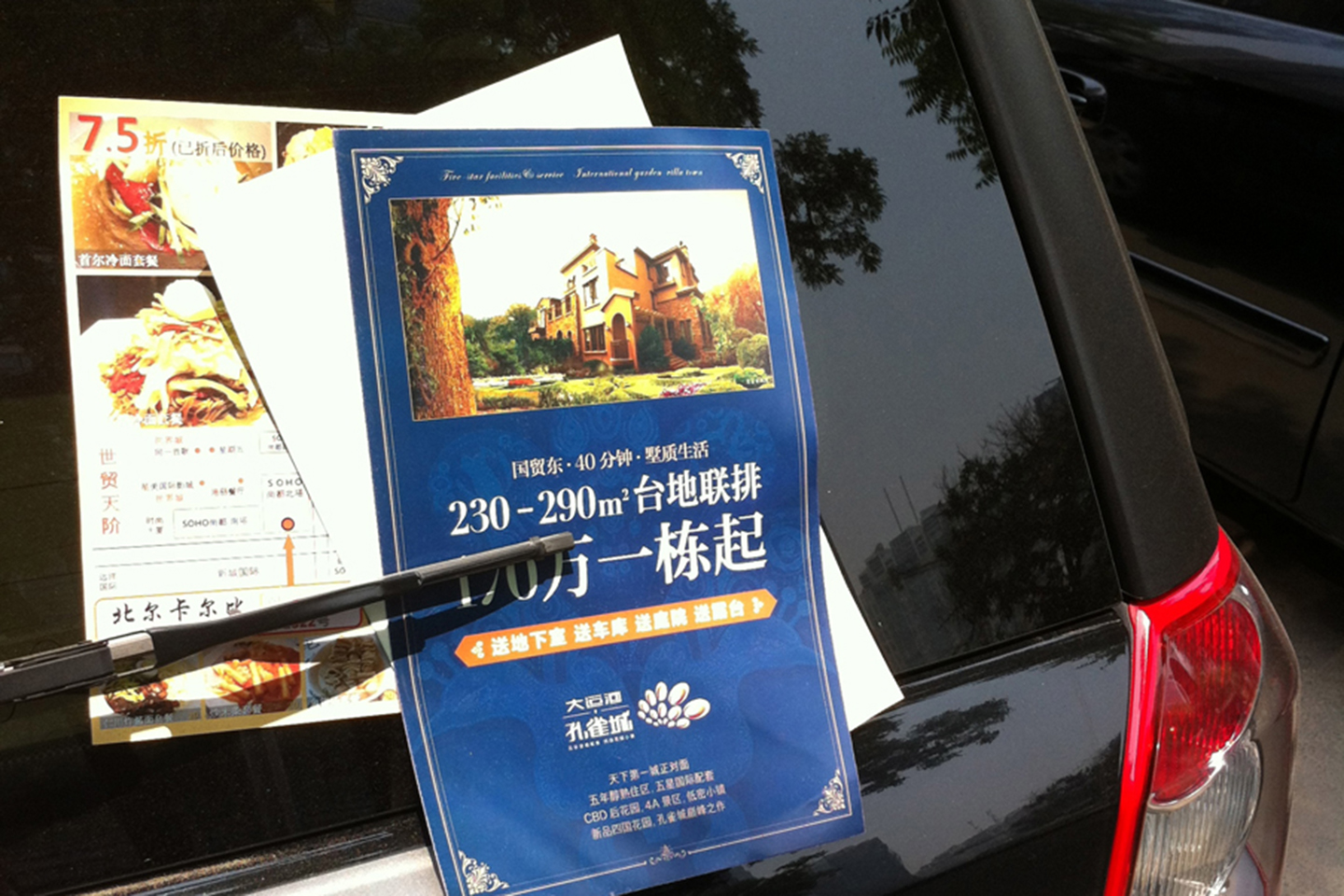
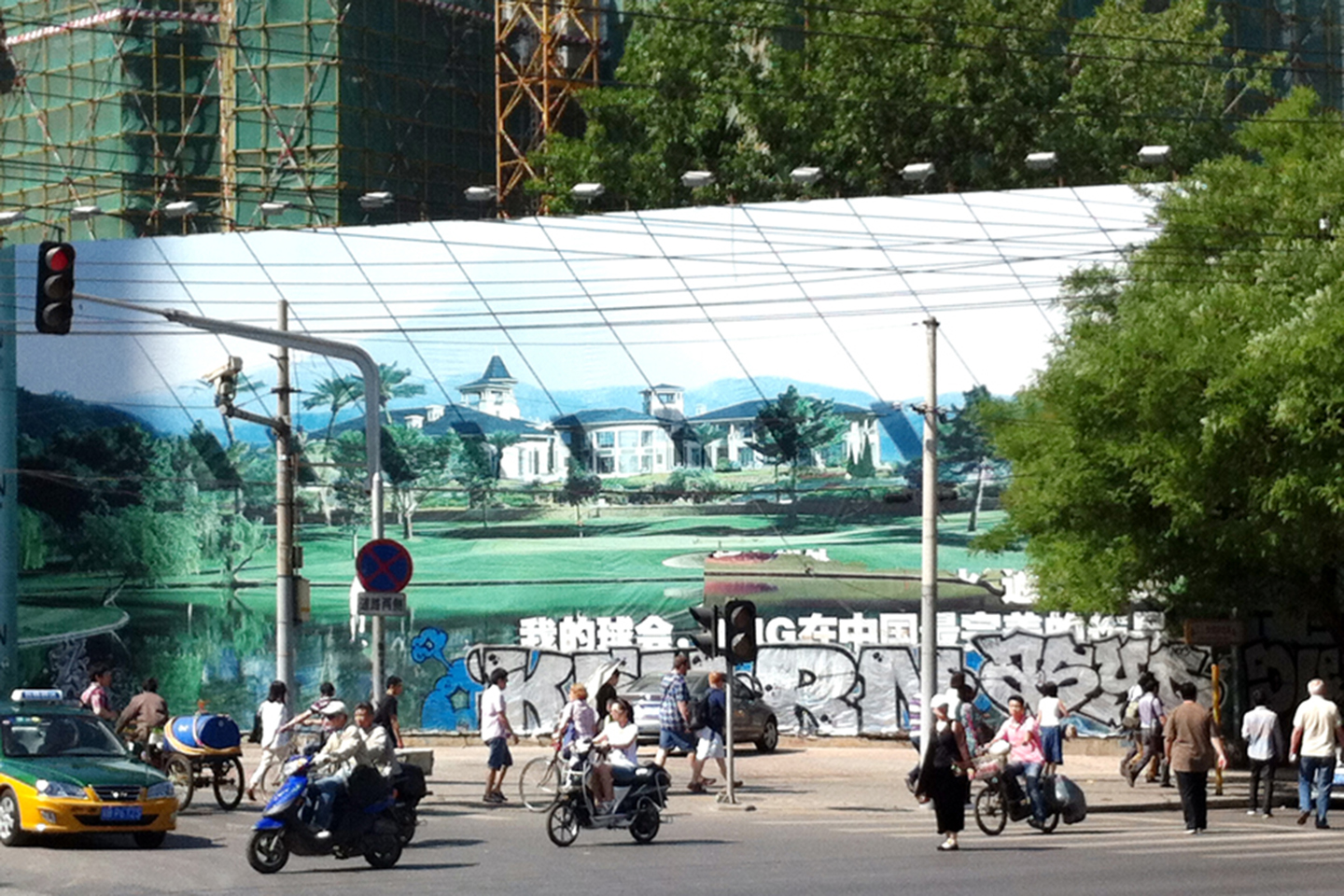
Potential buyers looking for a home usually consult real estate websites – Sina real estate site, Soufun, Dooland, etc – where it is easy to compare different purchase options. Crowds of potential buyers also attend the thousands of real estate fairs held biannually; these huge events bring together developers from all over the country. With aggressive sales methods, these property developers use digitally enhanced and polished images of large villas nestled in large green spaces, their manicured landscapes reflecting in crystal clear ponds of water.

Posted on the entire length of the tall fence surrounding residential areas under construction, these same pictures occupy a huge amount of the city’s visual space. Oversized, their presence often generates a strange sense of distance from their context. Thus, through this constant visual repetition, a dream city is being built; first bi-dimensionally in the collective unconsciousness, then implemented into a reality of concrete, dust and noise, dryer and harder, and mostly, significantly less “sweetened” than its paper-thin version.

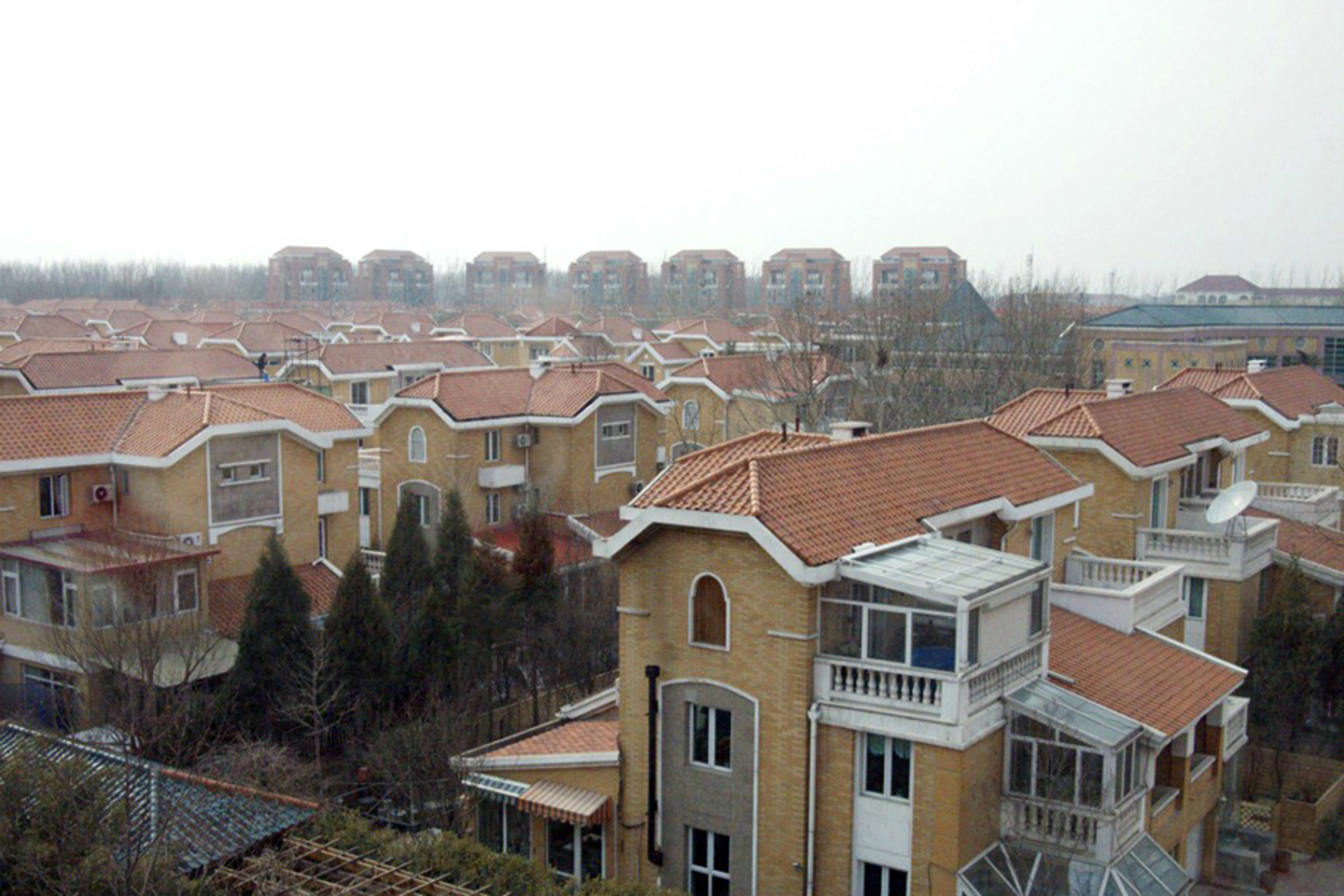
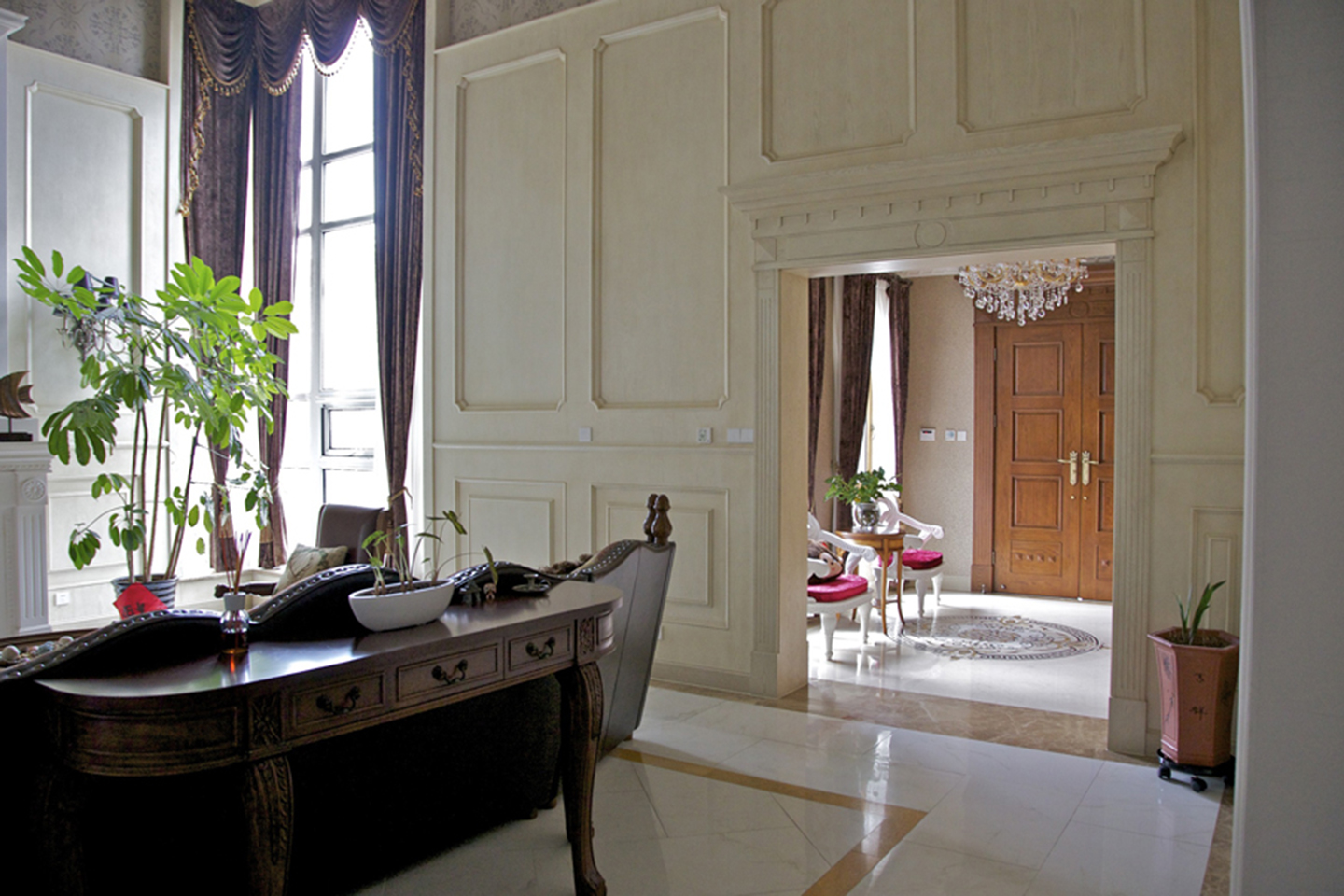
In this utopian universe, the question of style is a strong marketing factor that often guides the consumer decisions. Even if inaccurate, every developer develops its own vision of a foreign residential urbanism; in turn, villas freely borrow English, Spanish or German aesthetics. In an interview, the architect Qi Xin expressed his disappointment about working with developers in China who systematically replicate successful models without any innovation or originality. Architecture here has been transformed into a fusion recipe where diverse and discordant ingredients must be combined – English gardens, Chambord roof and turrets, stone and wood, Greek columns, fireplaces and high ceilings.

Whether located in the city center or the suburbs, new real estate projects creatively use extremely evocative commercial iconography – pictures of a rural communal life. On this matter, Wu Fulong, in a recent article on the new Chinese suburbs[2], explains that the ideal community such as the one promoted by developers aims exclusively at the wealthy population. The break is not only spatial, but also social. The real estate project, cloistered and disconnected from its environment, is introduced and sold as an entity capable of increasing a social status and creating a new form of identity. Far from fulfilling this identity search, the result often leads to the reverse, and surreal impression, as though one were entering a theme park. This approach is so widespread that it is possible to consider this stereotyped production as a predominant feature of any residential architecture in contemporary Chinese cities. Nevertheless, our investigation has shown that there are significant gaps between digitally enhanced pictures and reality, even in the most sought-for residential areas. As for developers, the most essential thing remains sales.

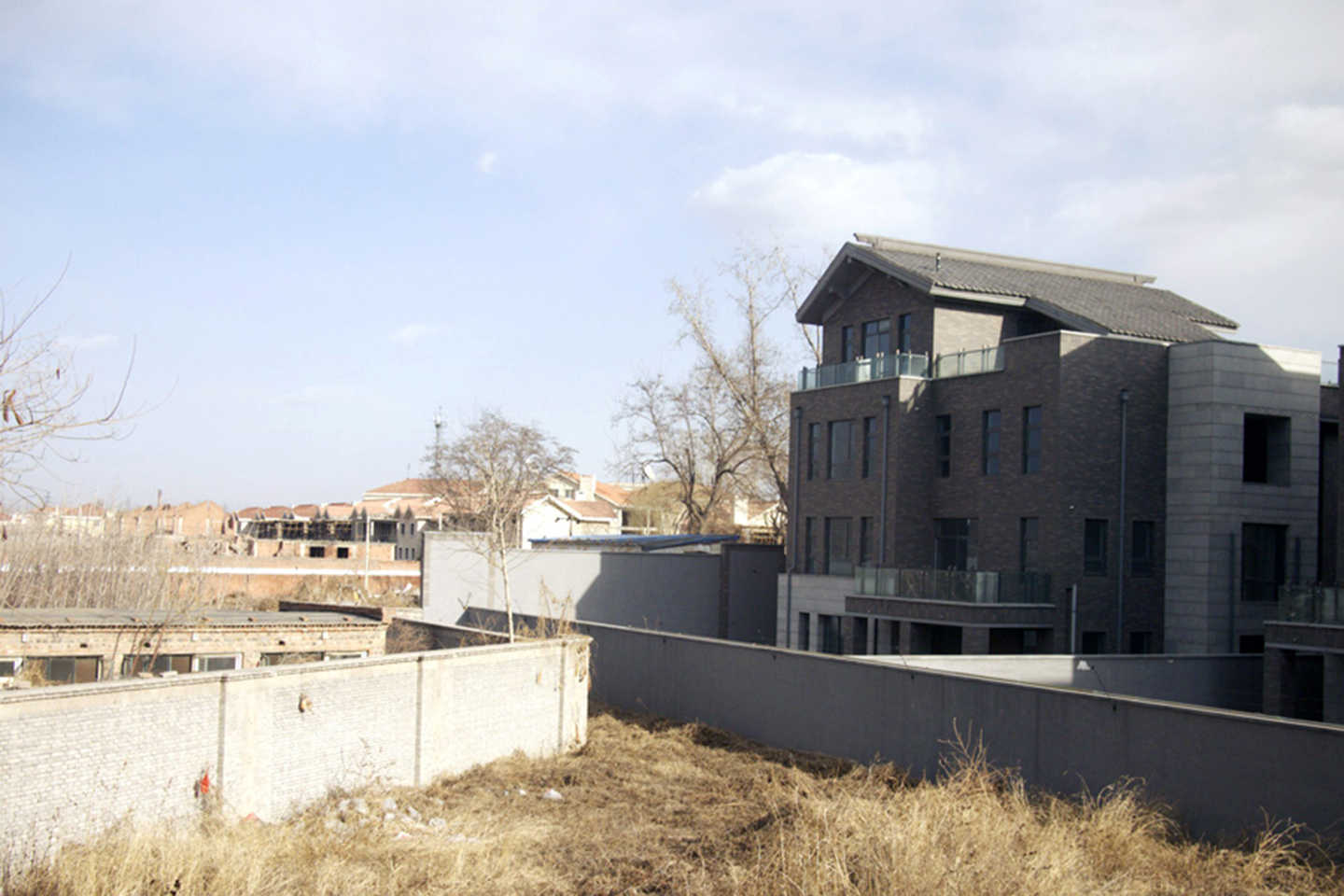
In Shunyi, one of the eleven new towns built a decade ago in the outskirts of Beijing, this version of the suburban dream seems to set a new accommodation standard. Luxurious housing complexes have multiplied, each of them enhancing a vision of the ideal city in their own way: spacious and located in a low-density environment where each villa is accompanied by its own private garden. Some of these residential houses are recent or about to be completed, while others completed a few years prior already show signs of decay. The villas, either isolated from each other or arranged in alignment, are surrounded by a protective wall providing residents with a safe living environment, where only an extremely well planned environment is perceptible to the outside eye.

In these islets, despite the extremely low crime rate in the city, security is presented as essential[3]. Rather, enclosing and restricting access to these residential places is a way of creating living standards corresponding to the aspirations of an urban elite while creating an image tinged with exoticism, luxury and remoteness.

Beijing’s customized habitats for the privileged

Although the acquisition of property is a real aspiration for most people in Beijing, this “dream” is difficult to realize. Prohibited up until the late 1980s, buying residential property is now only possible for the wealthiest. Indeed, with a per square meter price[4] that can compete with that of major French metropolises[5], the average annual salary for a Beijing resident [6] is far from enough to invest in real estate. Moreover, payment conditions are becoming increasingly draconian: a minimum down payment of 50% of the house value can be requested upon purchase, the remaining balance to be paid within the next three years [7].

Despite these difficulties, some are willing to make tremendous sacrifices in order to own a property. Some families save for several years, and sometimes, an entire generation must sacrifice their own well being to allow their offspring to own property. The emergence of a rhetoric promoting an imported urban model is reflected by the transformation of the urban landscape inherited from the socialist period. Well beyond a simple image change, it is about the search for a new and suitable model for a social class that did not previously exist in China. This new bourgeoisie aspires at distinguishing itself from the masses housed in high-density units and apartments in the city’s core.

Regardless of the family’s standards, the living environment remains a decisive factor in the choice of accommodation. The two case studies of two families provides insights about the gap between the residents’ dreams and the reality of their homes. The third interview illustrates a different situation because the “privileged” residential setting was accessed through rental.

True life-choice or a family compromise? Interview with Ms. Chen in Shunyi

The Chens’ children attend one of the most prestigious private international schools in Beijing. In order to gain admittance to this school and give their children the best possible opportunities, the family temporarily immigrated to Canada where they obtained new citizenship. Upon their return, the Chens settled near this school in the heart of Shunyi, a new district North of Beijing (Beijing’s municipality has a total of 11 city districts), where a large majority of expatriates and international schools are located. In addition to the draws of the location, the possibility to purchase a 860m2 home in a luxurious complex is clearly a symbol of prestige and social success and consequently influenced the family’s choices.

Made up with imposing “neo-Chinese” style villas, the neighborhood is built around an artificial lake. But Chen’s house, which is at the limit of the complex, is not only deprived of this view of the lake, but instead overlooks various temporary barracks from nearby construction sites.

Despite this conscious decision, Ms. Chen is not completely satisfied with her new life and her home. Instead, she feels relatively isolated from her six family members  that she rarely meet anymore. She speaks of her friends that live on the other side of the complex, where houses are arranged in alignment and much closer to each other, thus facilitating friendships and relationships. She tries to convince us, perhaps without actually believing it herself, that her house is relatively “simple”. She takes us through a game room devoted to table tennis, another one dedicated to billiards, where the table is disproportionate. We then make it to the terrace, which does not seem like it is used very often. From here you can admire a basketball court adorned with life-size effigies of her son’s favorite players. The 15-seat home cinema, elaborate elevator, grand piano, and three reception rooms comfortably furnished with sofas in a heavy-handed European style, are all there to impress. Upstairs, the rooms are divided into two, their excessive size making them difficult to decorate. A drawing room, a ballet room, a computer room and office are adjacent to the individual bedrooms, each decorated to the specific taste of their occupant. They have at their disposal an apartment with rooms dedicated to their leisure, entertainment and rest, to the despair of Ms. Chen, who admits feeling bored and lonely in such a big house, despite the presence of her husband, two children and her parents.

She rarely goes into town, preferring to shop and go out within the area of her home. Mrs. Chen entrusts us with her sincere feelings and thoughts, explaining that she does not really like Beijing, its traffic and pollution, and anxiously awaits the day when she will return to her native town in Guizhou. For the Chens, life in Beijing is temporary, as they will probably relocate to the south of China once the children leave for university. She not only prefers the climate in the south, but also the mentality of the people. Her husband, who made his fortune in the stock market, does not need to be based in Beijing for his work. Finally, for the Chen family, living in Beijing does not represent an ideal life in itself, but rather a means for their children to enjoy an exceptional living environment and good studying conditions.

Housing as a new beginning. Interview with Ms. Li in Tongzhou

The story of Li Wenyu, who is from a different social class than the Chen family, is also interesting. She chose to live and to invest in the purchase of an apartment in Tongzhou, a new city southeast of the capital, at the edge of the sixth ring road. Like many other Beijing residents who do not want to remain tenants all their lives, she had to move away from the city center in order to gain access to a property. As such, she decided to go into exile on the outskirts of the city where a wide choice of accommodation in new complexes is offered.

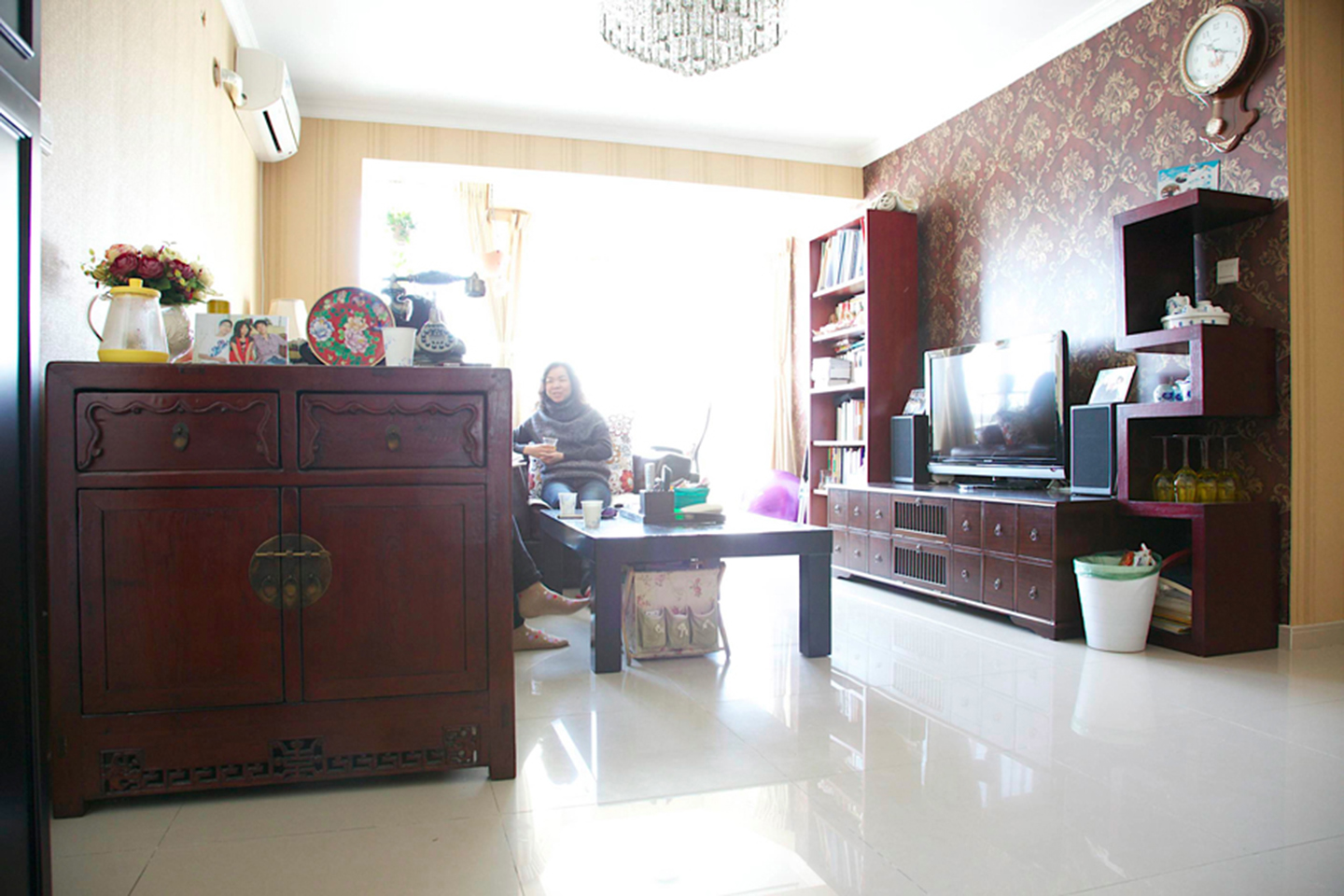
Early in her career, Li was promoted to the position of professor at Wuhan University. She left this prestigious career a few years later to try her chances in Guangzhou. There, her English skills allowed her to get a highly paid job (ten times better than at the university) in a foreign company. She quickly moved up in grades, and a few years later got hired by a competitor, also a foreign company. Having been in so much frequent contact with foreigners over the years, Li has become westernized as evidenced by the furnishing and décor in her apartment.

She went to many real estate fairs in search of the best deal, finally opting for a Singaporean developer who already had completed several projects in Guangzhou. She bought her apartment before market prices went up (after 2009) and acquired 93 m² for the price of 10,000 Yuan/m². She bought it before construction was completed, while the developer was still putting up apartments for sale one-by-one in order to control prices. But today, despite the initial expectations of an important capital gain, like many other real estate complexes in Beijing, Li in fact will barely be able to recoup the original value her purchase.

As she is a single mother, her decision to buy an apartment was primarily motivated by practical factors, such as the distance to her work place, to the international school her child attends, and particularly, that her new house would be entirely finished and equipped with a kitchen and sanitary facilities[8].

For Li Wenyu, living in Tongzhou also provides rapid access to her work in the BDA[9]; a privileged investment zone south of downtown. But this small satellite town remains underdeveloped: most of the buildings are still under construction and the area’s facilities are still significantly lacking. Li spends her weekends outside her area strolling through shopping malls in the city center. After all, Tongzhou is a dormitory town that has failed to meet any of the promises of the developer.

Finally, the insufficient and sparse surroundings give her a sense of alienation quite similar to Ms. Chen’s. For Li Wenyu, the way the projects are presented in real estate fairs raises a problem. These large biannual events in large exhibition halls bring together foreign investors and potential buyers. Yet most of the projects showcased by these events are either not yet built or quite distant from reality.

« Temporary long term migration »: Interview with Mr. Liu in Changping

The experience of living in the city can be different for each individual. Some, like the Chen family, come for better living conditions for their children; others, like Li Wenyu, fight for a professional career, while others receive training or open a business and make a fortune, without ever considering settling there permanently.

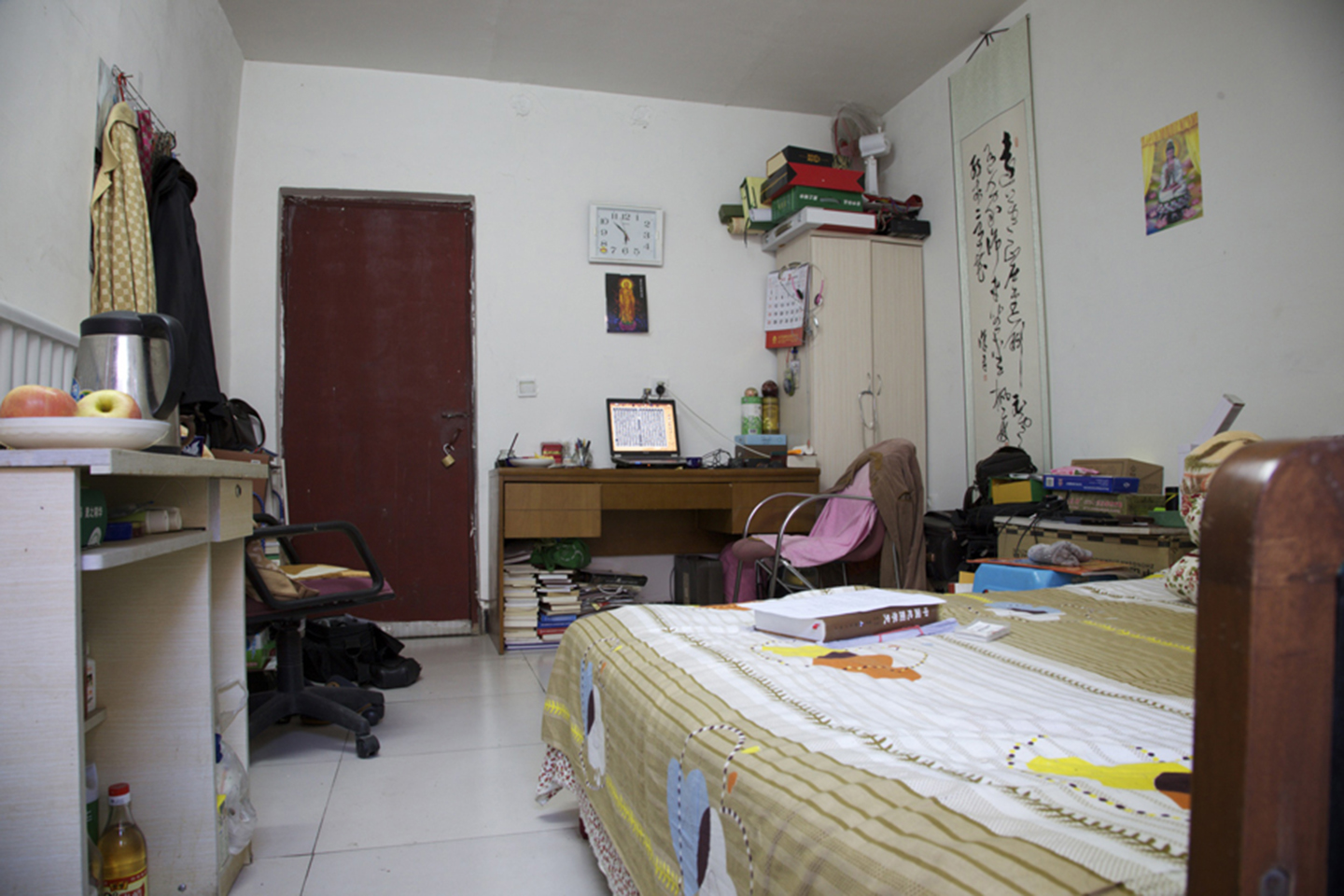
This is the case with Liu Ke, a retired public service employee who chose to come to Beijing to work for only a few years. The pension he receives in Shandong is reasonable[10], but he hopes to quickly earn more to buy a house for his son. He also deeply loves the capital because this city allows him, as a historian, to bathe in a cultural environment he cannot find in his hometown. He chose to rent a place a place for an affordable price in the northern suburbs of the city, in another new district called Changping. The housing complex promised great benefits: Internet, heating, private bathrooms, hot water, etc.

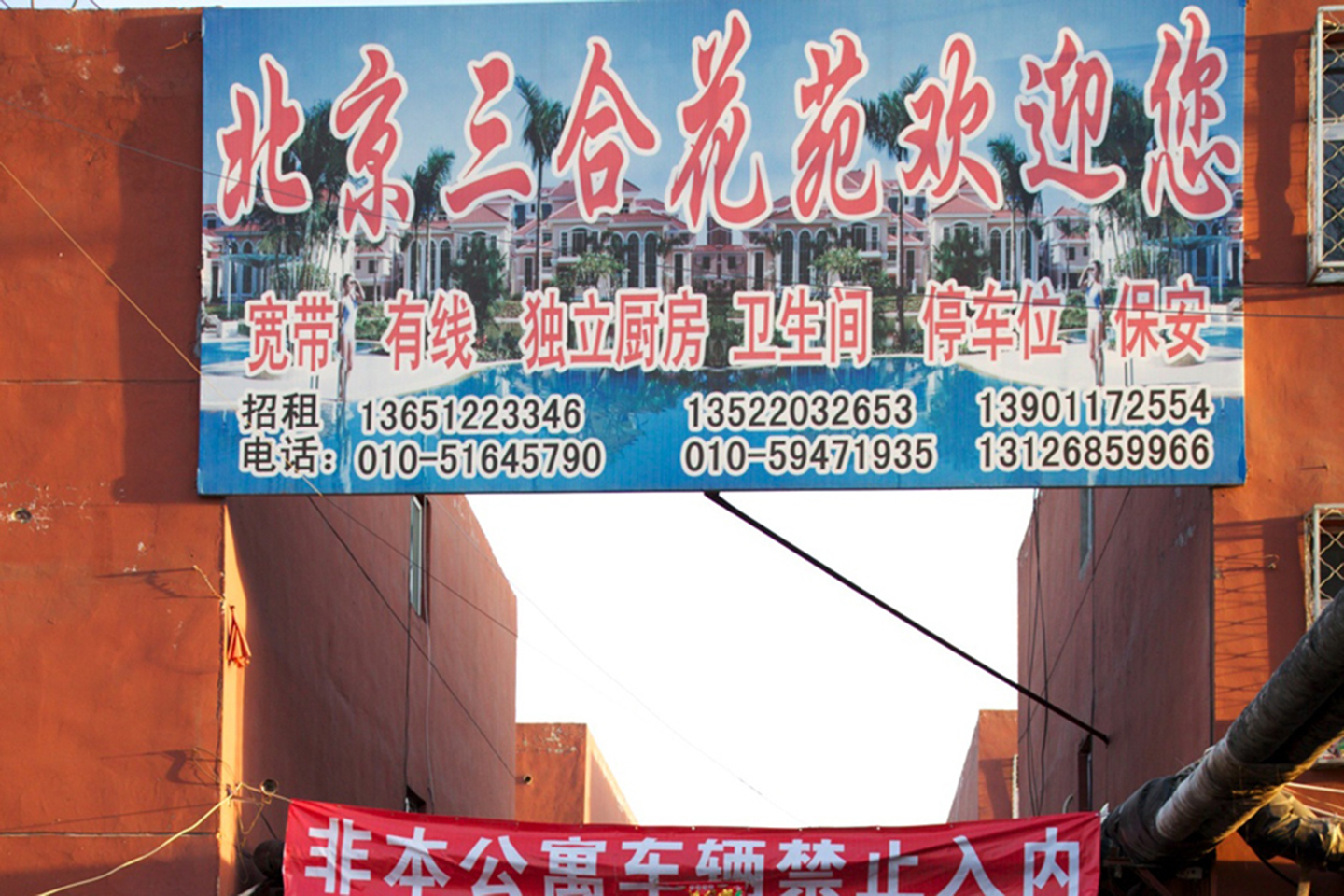
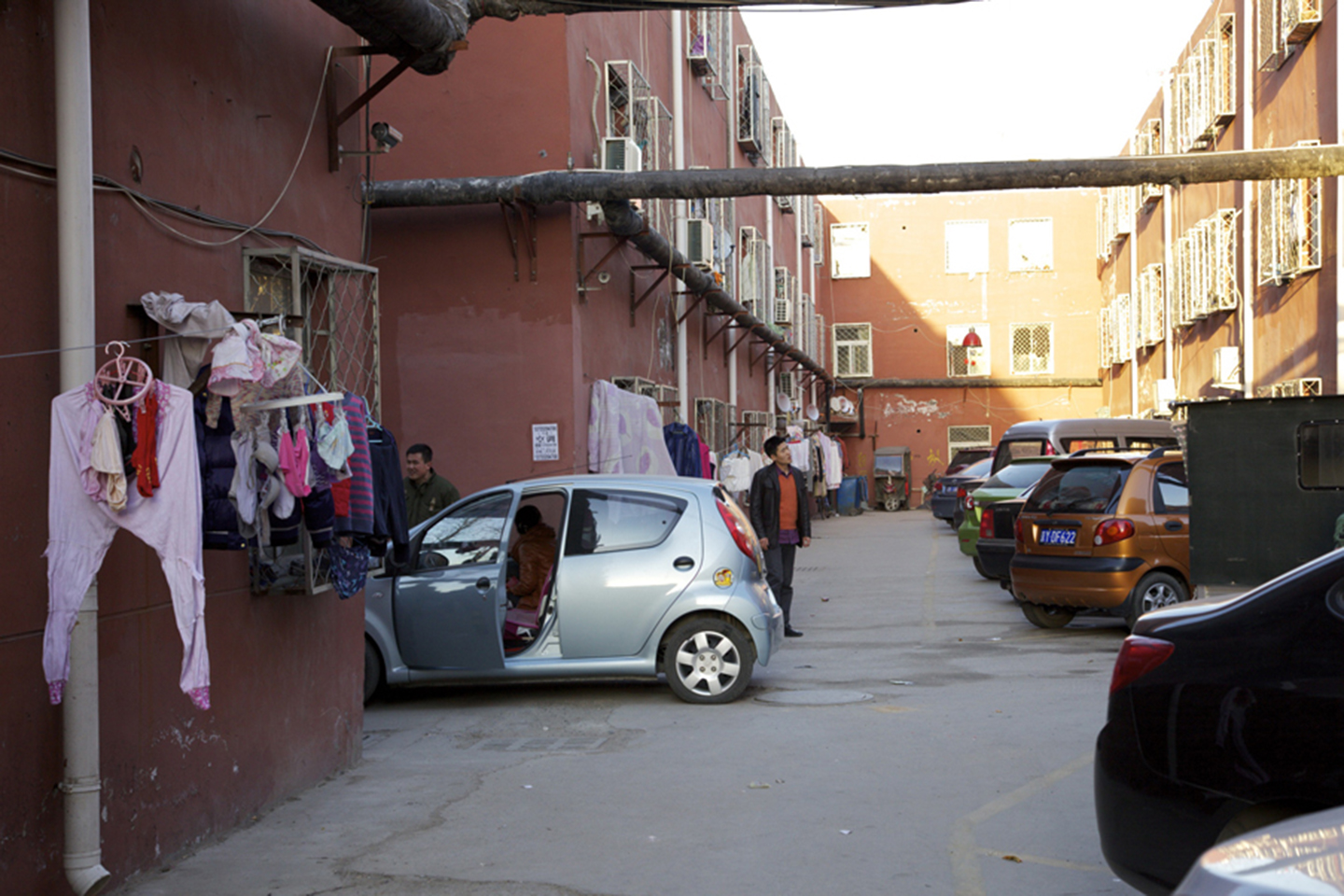
But for a monthly rent of 500 Yuan for a 15 m2 room, one might expect a different reality. Access to the complex is difficult and restricted due to series of military installations and the proximity of a nearby village in the midst of demolition. One must walk along a long open and pestilent sewer canal, a route that is likely worse in the summer heat. The complex consists of a series of 4-floor buildings forming two “E”s connected by a footbridge. To get there, we pass under a advertisement banner and an entry security post where many screens broadcast images from cameras hidden throughout the site.

In fact, the contrast between the banner and the reality of the site is quite shocking, even more so when one enters the complex and realizes that the corridors have no actual doors, but simply thick sheets covering the entrances to provide some protection against the wind.

Nevertheless, Mr. Liu is satisfied with his situation. At times, some of his historical research can be done from his computer, which saves a 40 minutes trip into the city center. He and his wife meet regularly. He proudly shows off the small pair of sandals that await her next visit. He offers us apples he has prepared in a small corner that has been transformed into a kitchen. Considering himself a temporary resident, his residence status suits him. For the same reasons, he feels neither need nor desire to make friends with the neighbors.

Conclusion

The image of the city is shaped well ahead of the construction of new buildings. Because it borrows numerous images of bucolic landscapes, which are widespread in real estate fairs, with advertisement posters providing an idealized and distorted image, and with housing complexes which shamelessly display a mixture of architectural styles and a loss of authenticity, the Chinese city is the result of an illusion that is constantly renewed. Moreover, developers actively deploy the symbol of globalisation to overcome the inherent contradictions of the housing commercialization in a post-socialist era. In a city with unbreathable air and disembodied urban areas, Beijing residents continue to buy, even at indecent prices, because they want to believe in a vision of a better world; like that of a powerful entrancing love potion, one that, in this case, is being proffered by real estate developers. 

Notes

[1] “China’s Scary Housing Bubble”, The New York Times, April 14, 2011.

[2] Wu Fulong, in a recent article on new Chinese suburbs, explains the ideal community as promised, aims exclusively to have wealthy people. Fulong Wu, “Gated and packaged suburbia: Packaging and branding Chinese suburban residential development”, School of City and Regional Planning, Cardiff University, 2010.

[3] Up to the point where even photographing the interior from the street may be banned: the research team has sometimes been stopped.

[4] C. Cindy Fan. “The Upside if the Bubble Bursts”. The New York Times, 17 October 2011.

[5] http://www.meilleursagents.com/prix-immobilier/.

[6] “Beijing’s middle class expands to 5.4 million”, China Daily, 19 juillet 2010. 

[7] Another notable element, which does not seem to be a dissuasive factor, only the right of usage is granted by the Chinese long-term lease system, and is limited to 70 years; the State remains the sole owner of the land. 

[8] For any real estate purchase in China, the buyer is responsible for the installation of the kitchen cabinets, bathrooms fittings and finishes of the interiors. For smaller budgets, the work is limited to practical elements. For others, several thousand Yuan are often invested.

[9] BDA: Beijing Economic and Technological Development Area.

[10] Interestingly, in China, women retire at 55 years old and men at 60, while pensions correspond to full salaries. This pension system is primarily available for employees of State enterprises and their officials.